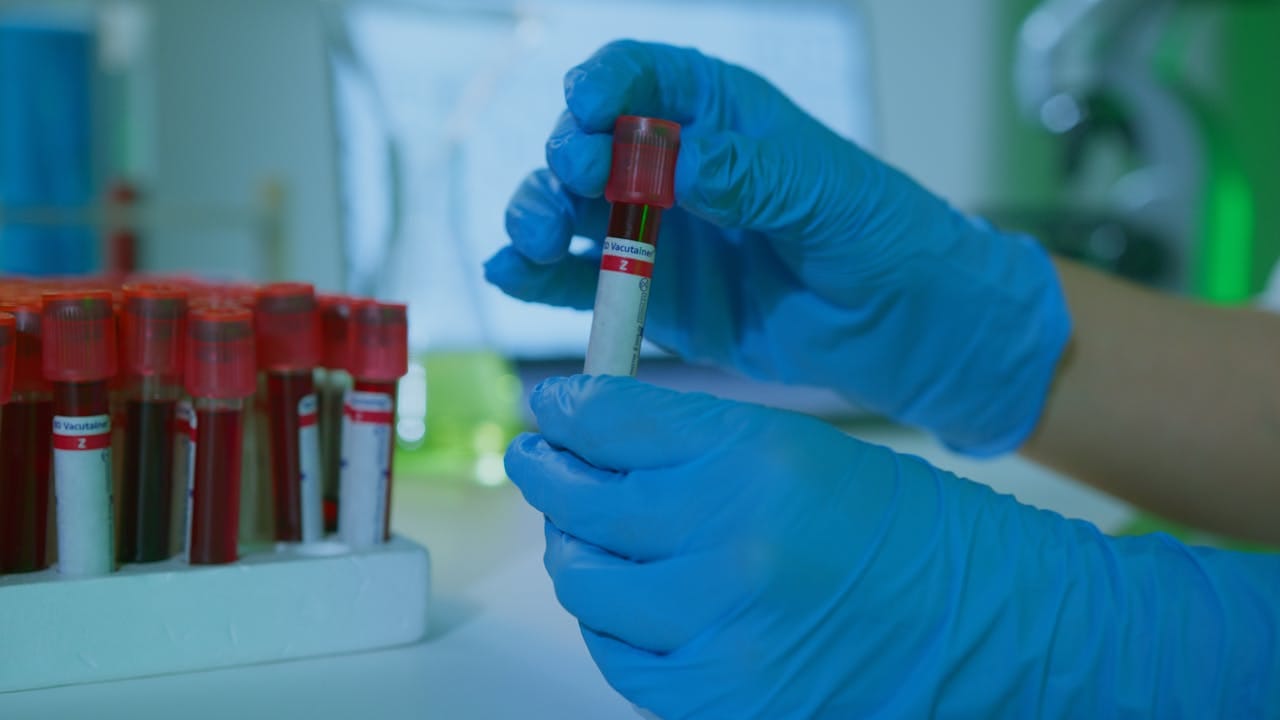
A blood culture test detects systemic infections by examining your blood for bacteria or yeast affecting your entire body. These infections often originate from sources like the skin, lungs, urine, or gastrointestinal tract. This essential test helps doctors pinpoint bloodstream pathogens, guiding effective treatment to combat serious, widespread infections.
What is the Blood Culture Test
A blood culture test, also known as a blood culture and sensitivity (C&S) test, detects bacterial, fungal, or other microbial infections in the bloodstream. This test involves drawing blood and incubating it in specialised, broth-based media to promote microbial growth.
Aerobic and anaerobic bottles are used to identify oxygen-reliant and non-oxygen-reliant organisms, respectively. Blood cultures aid in diagnosing conditions like sepsis, endocarditis, and other systemic infections.
The Need for Blood Culture Test
A blood culture test may be ordered when you have a suspected systemic infection or when your healthcare provider wants to check for the presence of certain germs in your blood. When you have symptoms of sepsis, then also the blood culture test is useful.
Sepsis is an inflammatory reaction, which can occur when dangerous bacteria or germs enter your bloodstream, which can be life threatening if undetected and left untreated. Based on your health condition, the appearance of one or more of the below symptoms warrants taking the test.
- Fever
- Chills
- Fast heartbeat
- Rapid breathing
- Inflammation in different areas of your body
- Organ failure
- Low blood pressure
- Confusion
- Gastrointestinal problems
- Meningitis
- Infections affecting the bones
Blood culture tests are also done in conjunction with other culture tests of bodily fluids, in cases of infections like Pneumonia.
Blood Culture Test Uses
- Detects bloodstream infections such as bacteremia and septicemia.
- Determines the causative agent of infections like endocarditis.
- Guides selection of appropriate antimicrobial therapy.
- Monitors the effectiveness of ongoing treatment.
- Helps diagnose unexplained fever or chills.
- Evaluates infections in immunocompromised patients.
- Assesses potential contamination from invasive devices (e.g., catheters).
- Differentiates between true pathogens and contaminants.
- Detects secondary infections from localized sources (e.g., pneumonia, urinary tract infections)
Blood Culture Test Procedure
The procedure of blood culture tests involves blood sampling through venipuncture. While it is very similar to a simple blood test, the only difference is multiple blood samples are collected from different veins for the test. Analysing blood cultures over multiple samples is to ensure reliable results.
To conduct a blood culture test procedure, a phlebotomist or qualified lab professional will clean the draw site with a disinfectant to prevent sample contamination.
- A minimum of two sets of blood samples are required, each with one aerobic and one anaerobic bottle.
- Two or more separate venipuncture sites are used for each set, spaced 15 minutes apart.
- If separate venipunctures aren't possible, they will consult their healthcare provider to determine the necessity.
- The volume of each blood culture sample required is 8–10 mL; sensitivity improves by 3% for each extra mL.
- The sample is collected and mixed with a special material known as cultures that promote the growth of bacteria or yeast.
There is no special preparation required for the blood culture test procedure. You may inform about the medications you’re taking to your healthcare provider, who might suggest if you should stop them or continue.
While the blood culture test time is approximately 40 minutes (due to multiple sampling), the test results should be available within 24 hours. But it can take 48-72 hours to learn what kind of bacteria or germs are causing the symptoms in you.
Blood Culture Test Results & Interpretation
The results of your blood culture test will confirm the presence and the type of bacteria or yeast in your blood, if present. If there is bacteria or yeast in your blood, the result is POSITIVE. Otherwise, your blood culture test report shows NEGATIVE.
There are no numerical values associated with the blood culture test results. Hence, finding out the blood culture test normal range has no meaning.
- A blood culture test positive means you have a certain type of infection-causing germs in your blood.
- A blood culture test negative means you probably do not have any infection-causing germs in your blood.
If multiple blood cultures come back positive for the same type of bacteria or fungi, you’re more likely to have the same germ in your blood. If one of the blood cultures comes back positive, and another negative, it doesn’t rule out the presence of germs in your blood. Further testing is ordered to get a firm insight into your blood culture. The second test is generally performed after 48-72 hours.
If the result of the retest comes back negative for both cultures, it means you may not have an infection-causing germ in your blood. Now, based on the symptoms and monitoring, further tests may be necessitated.
Depending on the germ identified and the infection symptoms, the appropriate course of action is suggested, which may involve further testing or treatment. An infection in your blood is a serious problem, that needs immediate attention.
Blood Culture Test Price in India
There are no fixed numbers when it comes to blood culture test costs in India. The cost depends on the place where samples are taken (home or clinic), the number of blood samples, the type of culture testing, health insurance, city and laboratory. In India, it varies from from ₹468 to ₹1,300, which is in the affordable range. You can check with NABL-accredited labs in your area to determine the exact price.
More Points to Know
- False positives in a blood culture test may occur due to sample contamination, emphasising proper skin preparation and technique.
- False negatives can result from insufficient blood volume or prior antimicrobial therapy.
- Delayed sample processing or improper storage can affect results, generating false positives.
- Timing matters for accurate blood culture test results; cultures should be taken during a fever spike for better pathogen detection.
- Blood cultures are essential for identifying specific pathogens and guiding targeted antimicrobial treatment.
- Growth in anaerobic bottles may indicate less common infections requiring specialised treatment.
- A negative result does not always rule out infection, particularly in fastidious or intracellular organisms.
- Clinical correlation with symptoms and other tests is vital for accurate diagnosis.
Closure
Blood culture tests are beyond detection; proper post-test care matters too. After receiving results, discussing their implications with your doctor helps tailor precise treatments, preventing complications. Lifestyle adjustments, such as improving hygiene and monitoring chronic conditions, can reduce infection risks. Recognising early symptoms and acting promptly also minimises severe outcomes. Staying informed and proactive ensures better health outcomes for you and your loved ones.
Get Started at ₹1!
Try Flabs for a full month for just ₹1.
Follow us on