Pathology Reports
Pathology Report Format
As professionals who operate on the frontline of pathology, understanding the gravity of the pathology report format guides the journey towards accurate diagnosis and effective treatment.
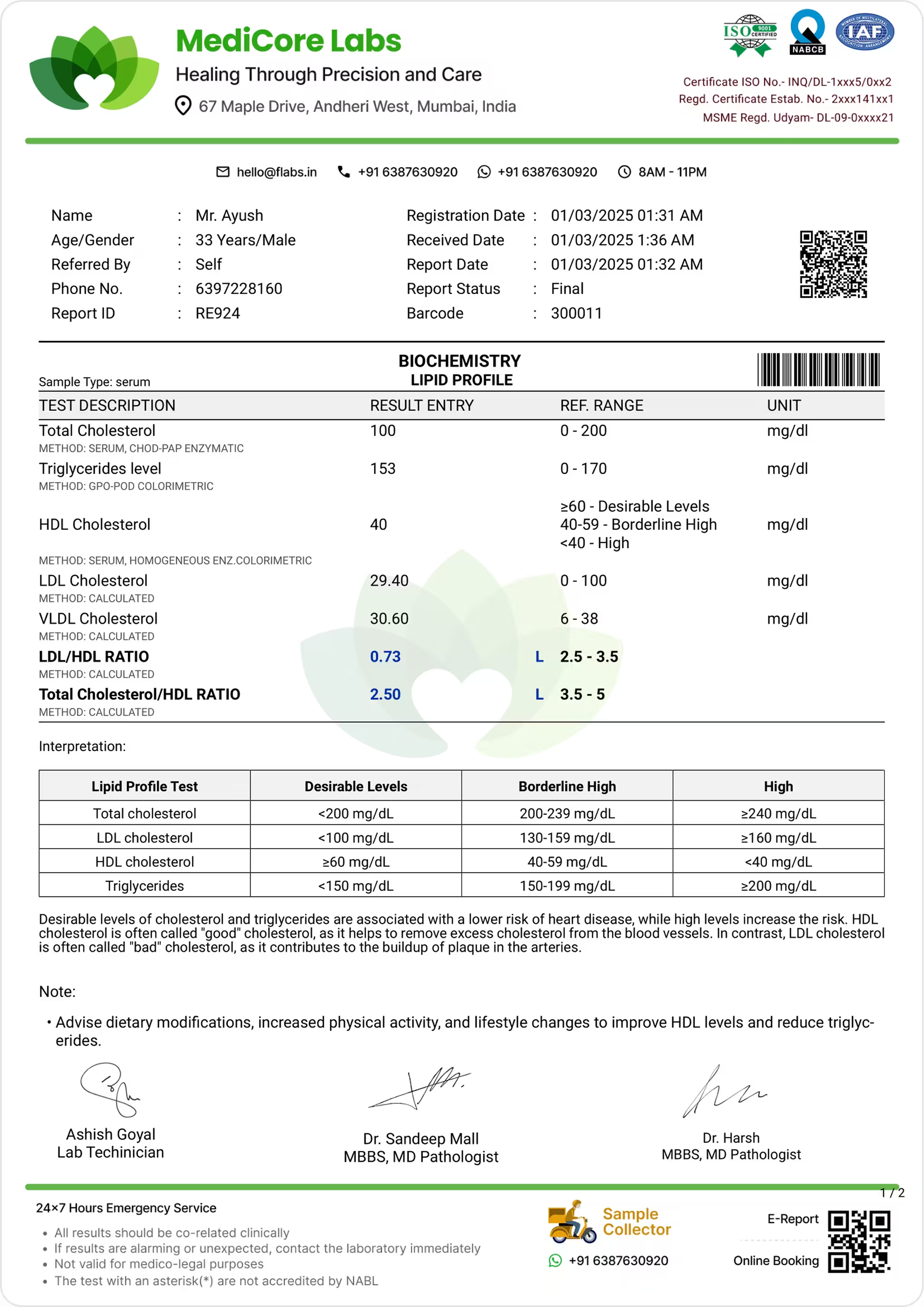
What is Pathology Report Format?
Pathology reports are vital for patient care, serving both as immediate references and records of health history. Following a certified format ensures their effectiveness.In India, labs follow ICMR guidelines for reporting. Pathology reports support diagnosis, healthcare coordination, quality assurance, and legal documentation. Read More
Purpose of a Laboratory Test Report
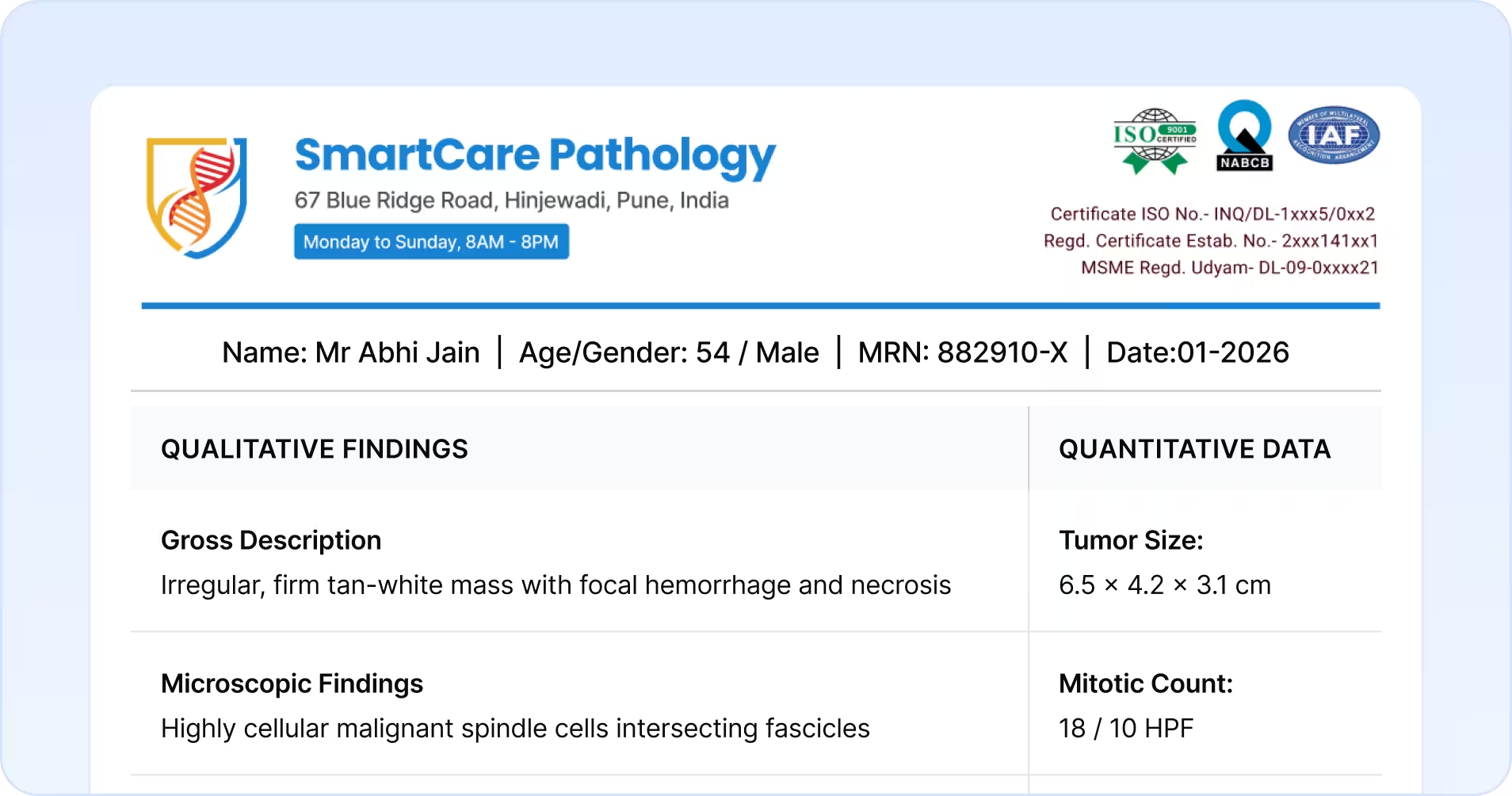
1. Receive Results from Machine
- Qualitative: Descriptive, non-numerical data (observations, images)
- Quantitative: Numerical data (amounts, sizes, counts), relies on a standard pathology report format
2. AI Verification
- Shares test or study results with doctors, researchers, or institutions
- Helps track patient health and test quality
3. Technician Verification
- Using the right pathology report format ensures clarity, accuracy, and effective decision-making
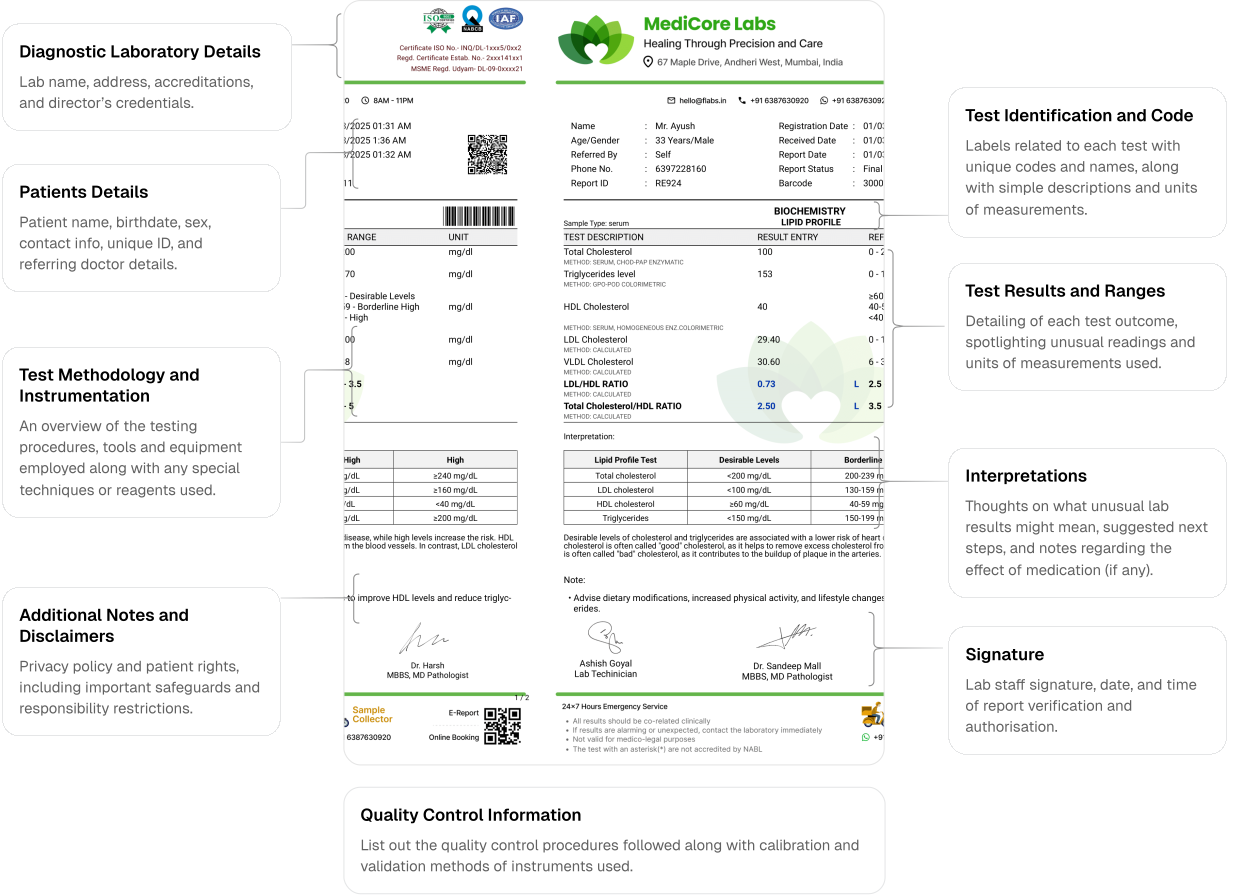
Skeleton of a Pathology Lab Report Format
Diagnostic Laboratory Details
Lab name, address, accreditations, and director's credentials.
Patients Details
Patient name, birthdate, sex, contact info, unique ID, and referring doctor details.
Test Methodology and Instrumentation
An overview of the testing procedures, tools and equipment employed along with any special techniques or reagents used.
Test Identification and Code
Labels related to each test with unique codes and names, along with simple descriptions and units of measurements.
Test Results and Ranges
Detailing of each test outcome, spotlighting unusual readings and units of measurements used.
Interpretations
Thoughts on what unusual lab results might mean, suggested next steps, and notes regarding the effect of medication (if any).
Additional Notes and Disclaimers
Privacy policy and patient rights, including important safeguards and responsibility restrictions.
Signature
Lab staff signature, date, and time of report verification and authorisation.
Quality Control Information
List out the quality control procedures followed along with calibration and validation methods of instruments used.
Tips for an Effective Pathology Lab Report Format
Effective pathology lab report format is crucial for both patients and laboratory personnel's reference. Thoroughly explained medical test results lead to better pathology lab report format and the creation of top-notch, ethically sound reports.
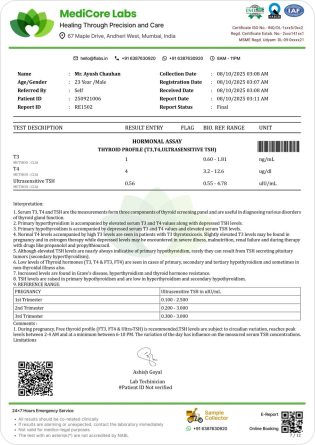
Clarity and Simplicity in Reporting
- Being clear is key, but sometimes you'll need to use complex terms as in the pathology lab report.
- When that happens, make sure to explain them or add a glossary so everyone can understand what you're saying. For example, when preparing a pathology report, explain what each enzyme and protein may mean.
- To avoid confusion, be clear and detailed in your language. Say exactly what you mean to prevent misunderstandings.
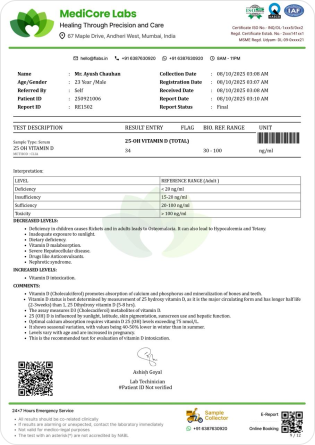
- Choose the right visuals—like graphs, charts, or tables— in the pathology report format to clearly show different types of data that highlight your pathology lab report results best.
- Pathology report pad design is an important skeletal component of any pathology report. Invest sufficient time and resources in getting an appealing design. It helps with brand impression also.
- Make sure every picture or chart has clear titles and descriptions that tell the story, so readers get the point without needing to dig into the article due to the lazy pathology report format.
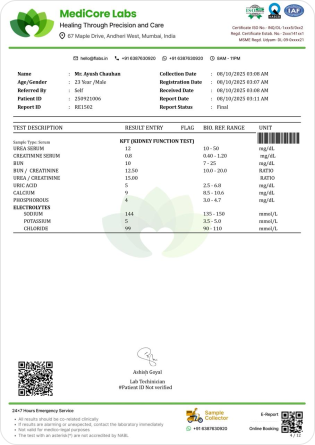
Data Presentation
- Use the same style for data in the report, whether it is a pathology report or otherwise.
- Uniform fonts, colours, and layout help readability and look nice on the pathology report format. Refer to any standard pathology report sample pdfs available online, if necessary.
- Be concise in your pathology lab format. Focus on sharing key information without overloading the reader with too much detail.
- Clearly highlighting important data is a basic practice in pathology lab formatting.
- When crafting a pathology lab report format, stick to plain and clear wording.
- Steer clear of complex or specialised lingo that might puzzle non-expert readers.
- Aim for a pathology lab report that's easily graspable by all. Nowadays, crisp patient reports and trend analyses are in favour of their clarity and simplicity.
Mistakes to Avoid in Pathology Lab Reporting
Incorrect Facts
Make sure your findings and conclusions are right and don't have mistakes.
Inconsistent Formatting
Avoid usage of multiple fonts, colours, text sizes, & margins for a consistent pathology report format.
Ignoring Data Analysis
Always look into your data, don't just show it - explain what it means and why it matters.
Neglecting Ethical Factors
Mention any ethical considerations that might apply with your work.
Preparing for Pathology Lab Reporting
Before you start your lab report, get to know the test and its diagnosis well. Know why you're doing it, the process, and the results you're looking for. Collect all reference materials like data and graphs. Always remember to stick to safety rules during the experiment and pathology lab report writing.
As we navigate the complex landscape of pathology, the importance of a well-structured pathology test report cannot be overstated. The pathology report format we've discussed plants your practice firmly in modern efficiency and clarity, ensuring your diagnostic reports are both precise and impactful.Ensure that your laboratory's work echoes the latest advancement of medical science, all while remaining patient-centric. Remember, a pathology lab report is more than data; it's the roadmap to healing
Frequently Asked Questions
When giving results of medical tests, pathology laboratories must follow a standard format set by the local and regional regulatory bodies. It is known as the pathology report format. For example, the Medical Council of India is the regulatory that suggests the standard format for laboratories in India.
A certified pathology report format enables transferability, data organization, and effective communication. In modern healthcare, sending lab reports across laboratories, hospitals, and even countries is typical for diagnostic purposes. A certified format ensures that different lab professionals involved can understand t and interpret the report without ambiguity. Data organization makes a report easy to read, presenting information precisely and concisely.
- 1. A well-defined and concise introduction.
- 2. Mention of sample collection procedure and handling.
- 3. List the methods and equipment used in testing.
- 4. Present interpretation of results in simple and clear language.
- 5. Detail out lab quality control processes, calibration of instruments, certifications.
- 6. Mention how patient data is handled for security and privacy.
- 7. Mention implications of lab results and suggestions for further tests (If any).
- 8. Keep glossary.
- 9. Summerise the key findings along with follow up recommendations.
A pathology test report contains key details to help with effective patient diagnosis.
- 1. The actual condition of patient is reflected in the quantitative test results, for example RBC count.
- 2. The reference values help doctors grasp the amount of deviation and the seriousness of a patient's condition.
- 3. The interpretation of results gives the qualitative health diagnosis and mentions the clinical implications. It helps doctors take the next steps in treatment or suggest further tests.
Concise and simple formating also plays a crucial role by making it easy for doctors to understand the details without ambiguity, which is critical for accurate diagnosis and patient care.
The common elements in a pathology report format include patient details, laboratory details, process of tesing, instrumentation details, quantitaive test results along with reference values, description of specimen components, glossary, signatory, barcodes, and emergency contact details. However, some pathology laboratories may include addtional information related to clinical implications, period of checkups, etc.
Pathology report formats are integral to patient health history assessment by providing detailed insights into diagnostic findings. These reports document tissue analyses that help clinicians understand disease progression, treatment responses, and potential risk factors. Accurate and standardised reporting enhances comprehensive health evaluations, informs treatment decisions, and aids personalised patient care.
Standard pathology report formats expedite diagnostic decision-making by facilitating quick access to necessary information, such as quantitative values. Organized data allows doctors to assess patients efficiently, extracting relevant details without extensive review. Including reference values and clinical implications streamlines the understanding of results, aiding in accurate and prompt treatment decisions.
Pathology test reports provide accurate and detailed information about the patient's medical tests. It allows healthcare professionals to make well-informed diagnoses, treatment planning, and ongoing care decisions. By accessing these reports, healthcare teams can better coordinate their efforts, ensure proper communication, and provide adequate and timely healthcare services. This coordination is essential in facilitating collaborative decision-making and improving overall patient outcomes.
To describe quality assurance measures used in lab, pathology report formats include
- 1. The methods used in calibration and maintenance of instruments,
- 2. Mention of adherence to the accreditations (e.g NABL),
- 3. Mention of certification standards such as ISO,
- 4. The measures used for accuracy, precision, and validation of results.
A pathology report is essential in legal documentation for personal injury, insurance, or worker's compensation cases. It provides clear evidence of medical tests, results, and expert analysis. Legal professionals can easily utilize the information to support their case or assess an individual's medical condition. This standardized format ensures consistency and reliability in documenting medical findings. Medical professionals and experts can easily share and interpret the report, aiding in legal documentation.
Yes, pathology report formats play a crucial role in research and data analysis. Standardised formats enable systematic data collection, which aids researchers aggregate and analyse pathology information. They can identify patterns, trends, and correlations with the organised data. All this contributes valuable insights to advance medical knowledge, treatment plans, and patient outcomes.
Labs must ensure confidentiality in pathology reports through strict access controls, role-based authentication, and encrypted data transmission and storage. Secure physical storage, regular audits, and employee training on privacy policies reinforce and ensures protection. Compliance with healthcare regulations such as DISHA ensures legal safeguards in India. Coding of personally identifiable information and encrypted communication channels further mitigate risks.
Tailored pathology report formats ensure clarity in diverse tests. Surgical reports detail tissue findings, cytology focuses on cells, and molecular reports outline genetic analyses for targeted therapies. Hematopathology covers blood disorders. Each format adheres to standardised nomenclature along with histological descriptions, clinical interpretations, and reference values. It is standardisation that ensures consistency across various diagnostic procedures, without interrupting communication.
Pathology report formats evolve with medical science advancements through the mention of regular updates. They incorporate new diagnostic techniques, technologies, and glossaries. They may also use the latest design standards recommended by regulatory authorities like the MCI (Medical Council of India). Pathologists stay informed about emerging trends and research, ensuring reports reflect the latest knowledge. Collaborative efforts with healthcare professionals help refine reporting standards, facilitate accurate communication of diagnostic information and foster continuous improvement in patient care.