Endocrinology tests are fundamental in assessing disorders related to hormonal imbalances and glandular dysfunctions. These laboratory evaluations provide insight into the functioning of the endocrine glands, including the thyroid, pituitary, adrenal, pancreas, and gonads. When symptoms point toward metabolic issues, growth abnormalities, reproductive concerns, or unexplained weight changes, endocrine-related lab investigations offer measurable data for diagnosis and treatment.
This article outlines the major types of endocrinology tests, explains their clinical relevance, and discusses considerations for interpreting endocrinology test results in practice.
What Are Endocrinology Tests?
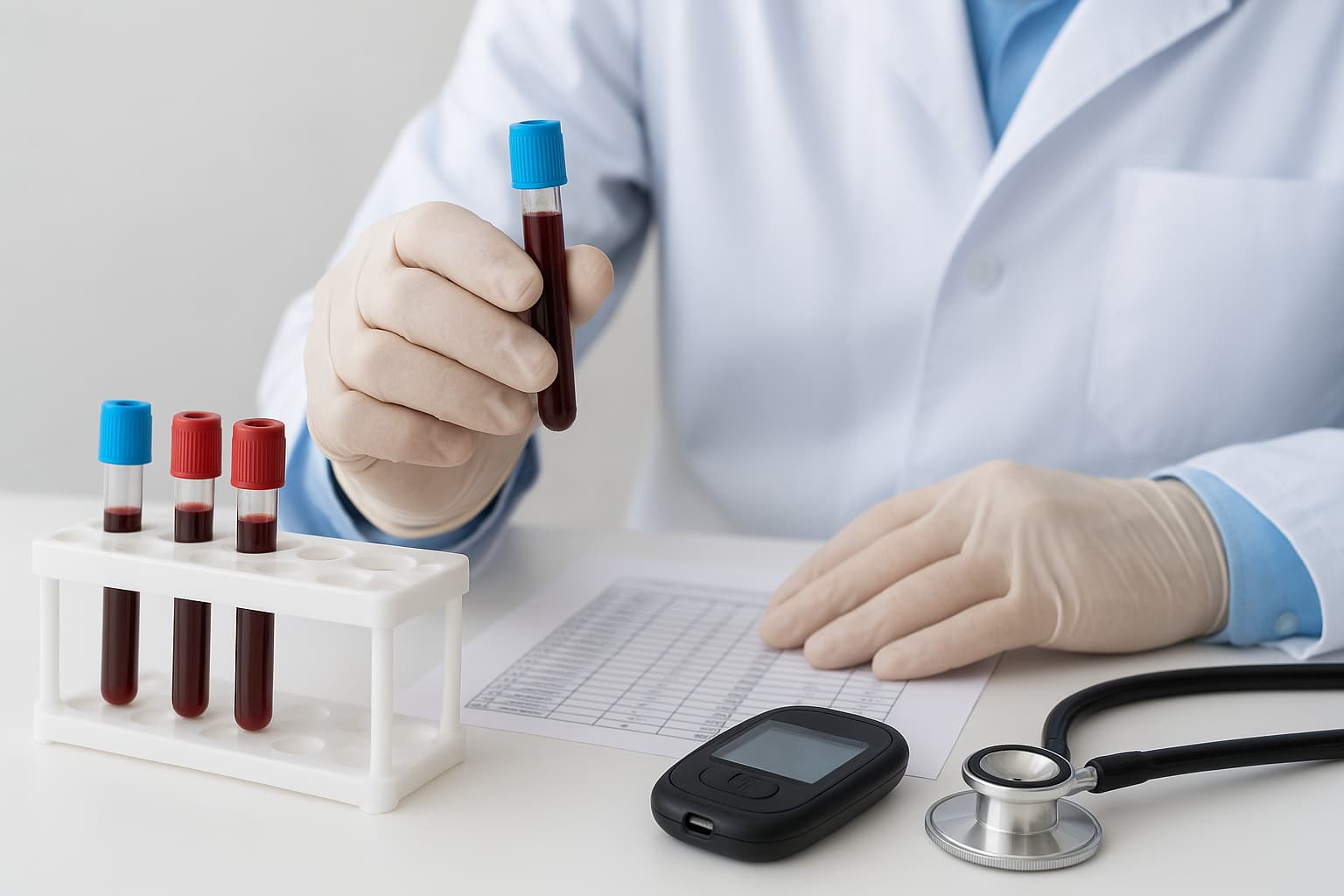
Endocrinology tests refer to a group of laboratory diagnostics designed to assess hormone levels and gland activity. These may involve blood, urine, or saliva sampling. Most endocrinology blood tests evaluate the secretion patterns and feedback loops of hormones that regulate metabolism, reproduction, growth, and stress response.
From evaluating a thyroid nodule to monitoring cortisol production in suspected adrenal disorders, these tests remain a central part of endocrine workups.
Common Endocrinology Blood Tests and Panels
Several standard blood tests fall under the scope of endocrinology. Each test measures specific hormones or related biomarkers, contributing to a detailed profile of endocrine health.
1. Thyroid Function Tests (TFTs)
Used to evaluate conditions like hypothyroidism, hyperthyroidism, and thyroiditis.
Endocrinology T3 test (Triiodothyronine): Measures free and total T3 levels.
Endocrinology T4 test (Thyroxine): Assesses free and total T4 levels.
TSH (Thyroid Stimulating Hormone): Assesses pituitary control of thyroid.
Normal values:
TSH: 0.4–4.0 mIU/L
Free T4: 0.8–1.8 ng/dL
Free T3: 2.3–4.1 pg/mL
2. HbA1c and Glucose Panel
To assess glycemic control in diabetes mellitus and metabolic syndrome.
- Includes fasting glucose, postprandial glucose, and HbA1c.
- Results are interpreted in conjunction with insulin and C-peptide levels.
3. Cortisol and ACTH Testing
For suspected adrenal insufficiency, Cushing’s syndrome, or stress-related endocrine conditions.
- Samples may be collected in the morning and evening to evaluate diurnal variation.
- Interpretation requires context with ACTH levels and sometimes, imaging.
4. Sex Hormones
Assess reproductive and gonadal function.
- Includes testosterone, estradiol, LH (Luteinizing Hormone), FSH (Follicle Stimulating Hormone), and prolactin.
- Used in cases of amenorrhea, infertility, hypogonadism, or gynecomastia.
5. Parathyroid and Calcium Panel
For calcium metabolism disorders and parathyroid gland abnormalities.
- Tests: Serum calcium, PTH (Parathyroid Hormone), and Vitamin D levels.
- Normal calcium range: 8.5–10.5 mg/dL.
6. Growth Hormone and IGF-1
Relevant in diagnosing growth hormone deficiencies or excess (e.g., acromegaly).
- GH has pulsatile secretion, so IGF-1 is preferred for screening.
Dynamic Function Tests in Endocrinology
In many cases, static hormone measurements are insufficient. That's where stimulation and suppression testing in endocrinology come into play. These tests evaluate how glands respond to controlled pharmacological triggers or suppressors.
- ACTH Stimulation Test: Checks adrenal response in suspected Addison’s disease.
- Dexamethasone Suppression Test: Used for Cushing’s syndrome diagnosis.
- Glucose Tolerance Test with GH Measurements: Diagnoses acromegaly.
- TRH Stimulation Test: Evaluates pituitary response in thyroid axis disorders.
- GnRH Stimulation Test: Used in assessing pubertal disorders and hypothalamic-pituitary dysfunction.
These tests demand careful protocol adherence, including sample timing and patient preparation, to avoid misleading endocrinology test results.
Interpretation of Endocrinology Test Results
Accurate interpretation requires more than checking if results fall within reference intervals.
- Circadian Rhythm: Hormones like cortisol and GH vary by time of day.
- Physiological Status: Menstrual phase, stress levels, and nutritional status can influence hormone levels.
- Assay Variability: Use of immunoassay vs. mass spectrometry can yield different results.
- Feedback Loops: Pituitary and target gland hormone levels must be interpreted in tandem. For instance, low T4 with high TSH suggests primary hypothyroidism.
Lab reports usually provide endocrinology test normal values. But clinicians must evaluate clinical correlation to avoid over- or under-treatment.
Endocrinology Test List by Clinical Indication
| Clinical Suspicion | Recommended Tests |
|---|---|
| Hypothyroidism/Hyperthyroidism | TSH, Free T4, Free T3 |
| Diabetes Mellitus | Fasting glucose, HbA1c, C-peptide, Insulin |
| Adrenal Insufficiency | Morning cortisol, ACTH, ACTH stimulation test |
| Cushing’s Syndrome | 24-hour urine cortisol, late-night salivary cortisol, dexamethasone suppression test |
| Infertility/Amenorrhea | FSH, LH, Estradiol, Prolactin, Testosterone |
| Hypogonadism | Total and free testosterone, LH, FSH |
| Calcium Imbalance | Serum calcium, PTH, Vitamin D |
| Growth Disorders | IGF-1, GH stimulation test |
Endocrinology Test Price
The endocrinology test price in India varies widely based on the test type, location, and lab. Individual hormone tests like TSH may cost around ₹770, while specialised panels such as a male endocrine profile or fertility hormone panel can range from ₹2,800 to over ₹3,000.
Comprehensive body profiles may go up to ₹4,000. Prices also differ by diagnostic centre and city. Home collection services may add an extra fee, while bundled packages often offer better value.
To find accurate pricing, visit lab websites, compare rates across multiple providers, or call labs directly. Patients with insurance should also check coverage for endocrine diagnostics.
Conclusion
Endocrinology tests offer precision in diagnosing hormonal and glandular disorders when interpreted in context. For pathologists and lab professionals, ensuring standardisation, accuracy, and relevance of hormone panels is vital. Incorporating stimulation and suppression testing protocols, maintaining reference values by demographic, and aligning results with clinical presentation all contribute to reliable diagnostics.
Also check - Antistreptolysin O ASO Test: Uses and Normal Range
Get Started at ₹1!
Try Flabs for a full month for just ₹1.
Follow us on