Histopathology is a branch of diagnostic medicine that involves the study of tissues to identify several diseases and their root causes and determine appropriate treatments. The histopathology test list is popular in cancer diagnosis.
However, the scope of the histopathology test is much wider, as you will appreciate at the end of this discussion. Learning about the test is important for both healthcare professionals and patients alike. Let’s explore the key details of the histopathology test for a better idea of its potential.
What is the Histopathology Test
The word Histopathology breaks down into Histo and Pathology. While the word Histo means tissue in Ancient Greek, pathology means the study of diseases. Histopathology involves the study of tissues and tissue samples to diagnose different diseases and their root causes.
A histopathology test is mostly used for diagnosing cancer, though not limited to it. The test identifies potentially cancerous or abnormal tissues by examining sample tissues obtained through biopsy or organ removal from surgery.
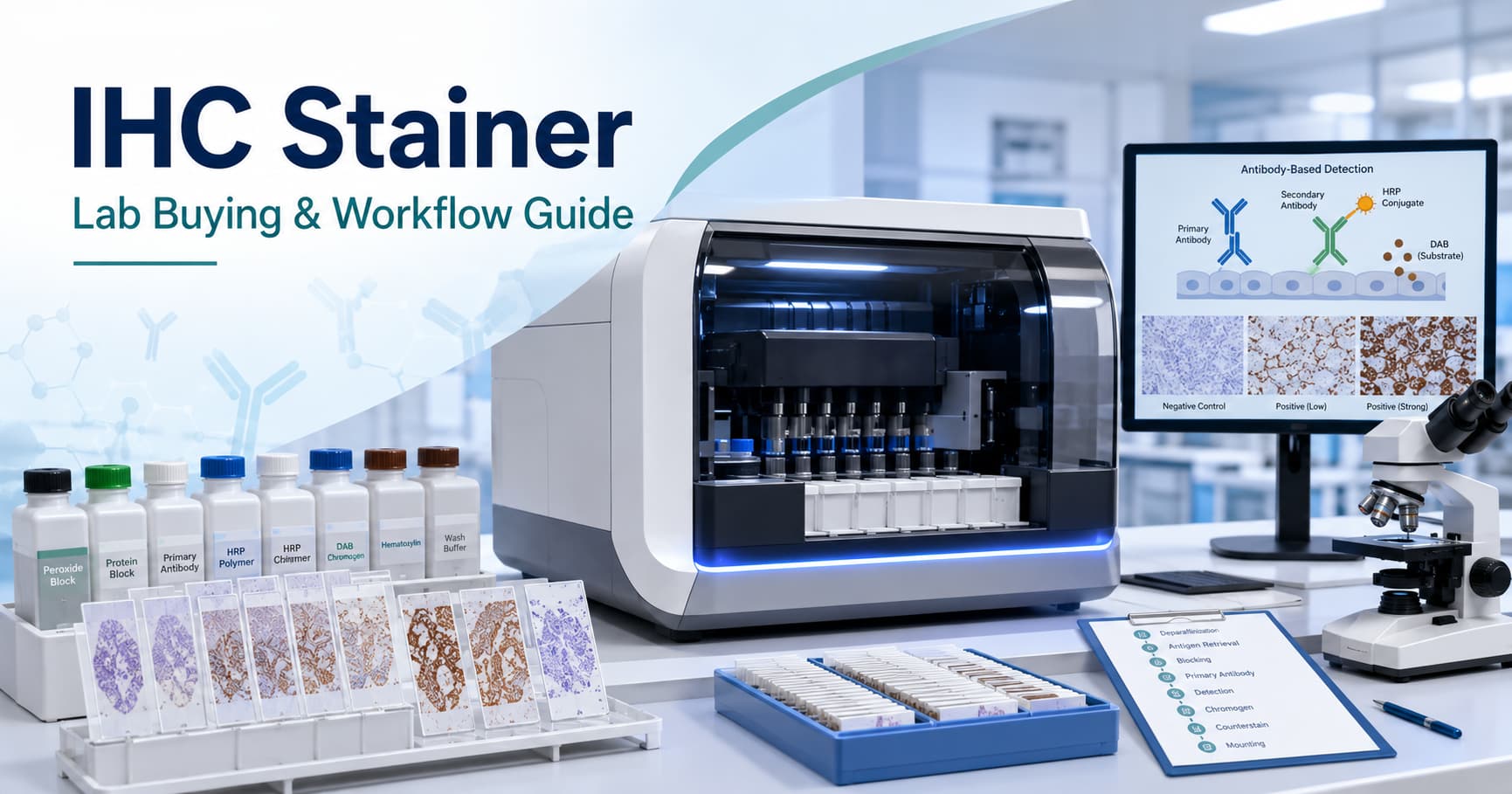
The test involves exposing the tissue sample to dyes and other substances that can highlight the samples for better viewing under a microscope. Based on the observations, the diagnosis will be informed.
Why Histopathology Test is Done
- Histopathology test helps diagnose cancer.
- It tells if a tumour is cancerous or not and how serious it is.
- It helps detect infections like tuberculosis and parasites.
- It is used for diagnosing conditions like Crohn's disease and lupus.
- It checks for organ rejection after transplants.
- It shows how well treatments are working.
- Histopathology test also aids in finding new treatments and early disease markers.
Types of Histopathology Tests
While histopathology is the study of tissues, various techniques are used to accomplish the same. Many histopathology tests include biopsy, excision biopsy, and fine needle aspiration (FNA), which involve examining tissue samples. Various techniques are used to study the tissue samples.
There is immunohistochemistry, molecular pathology, and special stains to identify specific disease markers. Techniques such as frozen section, electron microscopy, and genetic testing are often used for rapid testing.
Histopathology Test Procedure
Histopathology is a test where a specialist (histologist) examines tissue samples under a microscope to diagnose conditions like cancer. The process includes several steps to ensure accurate results.
- Tissue Sample Collection: A small tissue sample is taken during a biopsy or surgery (e.g., endoscopy, colonoscopy, or breast biopsy) and sent for analysis.
- Tissue Processing: The sample is cleaned and treated to preserve its cellular structure.
- Embedding and Sectioning: The tissue is embedded in wax and sliced into thin sections for examination.
- Staining: Sections are stained to highlight important cell details.
- Microscopic Examination: A doctor examines the stained sections to detect any abnormalities.
- Interpretation and Reporting: The findings are documented in a report to guide treatment decisions.
In certain cases, frozen sections are used during surgery to get quick results in about 20 minutes. Lymph node and bone marrow biopsies help diagnose cancers and blood disorders.
Histopathology Test Report
Histological reports for different cell types can be quite complex, including a detailed description of the tissue sample's appearance. A histopathology test report often features a synoptic summary with the relevant findings for the case, a clear diagnosis, and comments from the histopathologist to collect further information related to the observed tissue characteristics.
Unlike simple test reports, a histopathology test report presents a complex picture. Consult your healthcare provider for the correct diagnosis and course of action related to treatments. Please get your doubts regarding the test report from your doctor only. Take a second opinion if necessary.
Your knowledge of a histopathology test is also useful to gain insights from the report. When handling the report, remember to keep it safe for future usage.
Histopathology Test Time
The turnaround time (TAT) for histopathology test results varies based on test complexity. Routine specimens are typically reported within four weeks, while urgent or two-week wait samples are completed within 10 days. Additional testing may extend the report time to 14 days. There is frozen sectioning to provide results within 15-20 minutes during surgery. Factors like special preparations or sending samples to another lab can also affect TAT.
Histopathology Test Results
Histopathology test results aid in determining the prognosis of diseases, particularly cancer. These results offer valuable insights into the extent and severity of a disease, its potential progression, and recovery outlook.
A positive histopathology report indicates the presence of abnormal tissue, often suggesting cancer. Receiving a positive result can be life-changing, so doctors review the report with you and help explain the findings.
When interpreting histopathology results, the following factors are important:
| Prognostic Indicator | Description |
|---|---|
| Size and Severity of the Disease | Measurement of the disease's extent and intensity. |
| Tumor Grade | Evaluation of how abnormal the tumour cells appear under a microscope. |
| Spread of Cancer | Indications of whether cancer has spread and the extent of its spread. |
The grading system in the report provides insight into the tumour's behaviour:
| Grading System | Description |
|---|---|
| Grade 1 Tumors | Tumors that appear nearly normal under the microscope. |
| Grade 4 Tumors | Tumors that exhibit significant abnormalities. |
Along with grading, staging information can be included, which helps determine how far cancer has spread and its location in the body. The report's combination of grading, staging, and other findings influences treatment options and prognosis. If any part of the report is unclear, it is essential to consult with your healthcare provider for further explanation.
Histopathology Test Price in India
The cost of a histopathology test in India varies depending on factors such as the type of test, the complexity of the specimen, and the healthcare facility. For example, basic tests like a skin biopsy panel may cost around INR 1,400, while more specialised tests, such as those for large or cancerous specimens, can range from INR 3,500 to INR 6,000.
Histopathology test price also depends on the location of the biopsy, the specific type of cancer being examined, and the expertise required for analysis. Complex biopsies or second opinions cost more due to the specialised processing and analysis involved.
Conclusion
Histopathology tests are essential for diagnosing a wide range of diseases, but they have limitations. For instance, certain conditions may not show up clearly in tissue samples, leading to false negatives. Moreover, the quality of the sample and the skill of the pathologist are critical for accurate results. Staying proactive in follow-up care and considering second opinions can help ensure the best possible outcomes based on histopathology findings.
Get Started at ₹1!
Try Flabs for a full month for just ₹1.
Follow us on