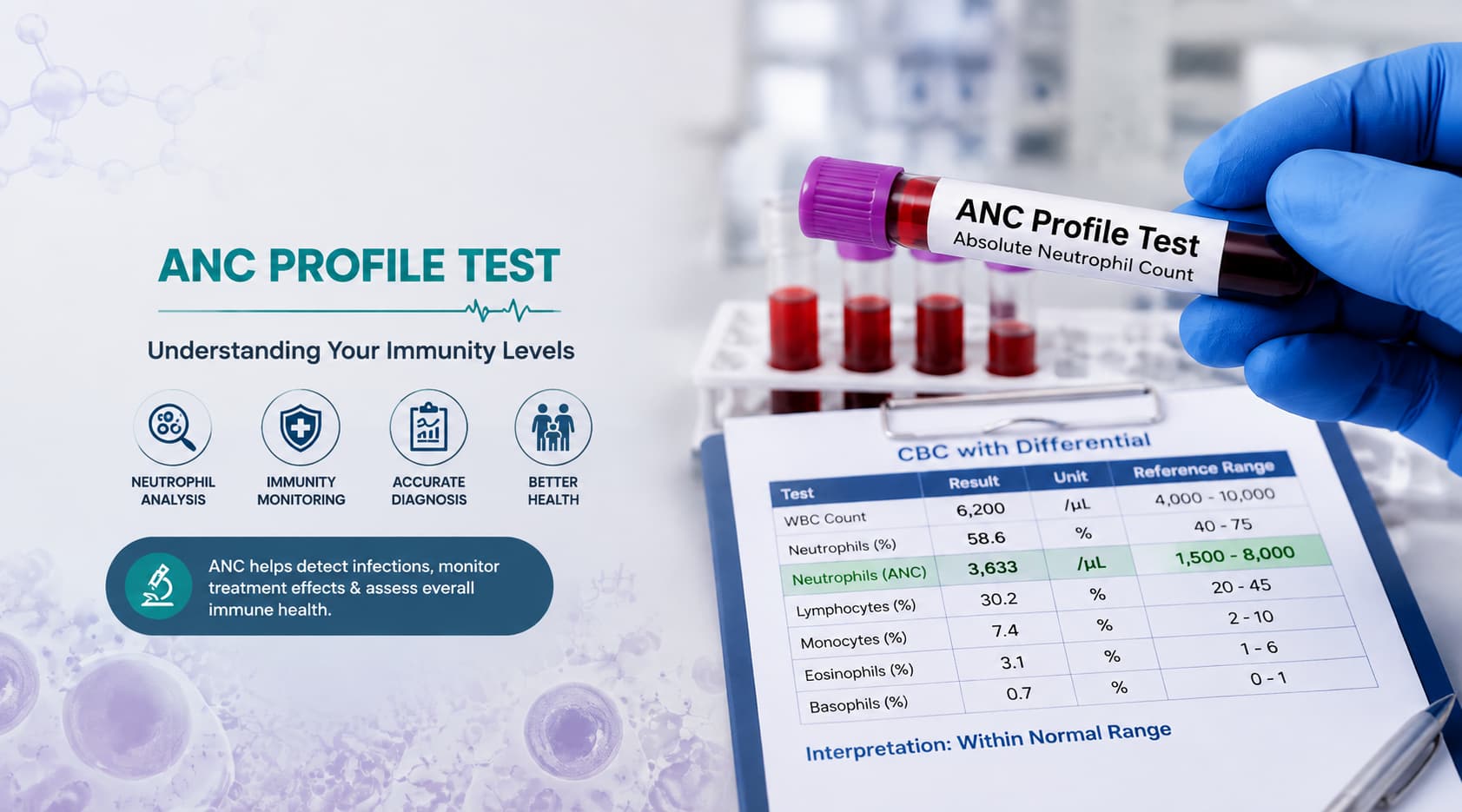
A microbiology lab report is key to understanding a patient’s infectious status. It helps you determine the causative organism and its susceptibility to antibiotics. However, interpreting such a report requires more than a glance at the “S,” “I,” or “R” beside each antibiotic. It calls for a sound grasp of how microbiological laboratory data is generated, what it implies clinically, and how to apply that insight to therapeutic decisions.
Let us go into the aspects of a microbiology lab report step by step, with particular attention to susceptibility results, MIC values, breakpoints, resistance mechanisms, and reporting standards. If you're evaluating a urine culture or a complex wound infection, this resource will support your approach.
What a Microbiology Lab Report Contains
The format and contents of a microbiology lab report are similar to those of a pathology report format.
- Patient information
- Specimen type and collection date
- Identified organism(s)
- Antimicrobial susceptibility profile
- Minimum Inhibitory Concentration (MIC) values
- Interpretation: Sensitive (S), Intermediate (I), Resistant (R)
The format may vary depending on lab systems and reporting standards. But the structure follows a logical progression from identification to susceptibility. Familiarity with the microbiology lab report format improves your ability to act promptly.
Identifying the Organism: The Starting Point
The first step in reviewing a microbiology lab report is verifying the isolated organism. Common pathogens such as Escherichia coli, Staphylococcus aureus, or Pseudomonas aeruginosa are usually listed by name, followed by notes on their colony morphology or special features.
Keep in mind:
- Contaminants (e.g., coagulase-negative staphylococci in a single blood culture bottle) must be distinguished from pathogens.
- Colonisation vs infection must be considered. For instance, Candida in sputum doesn’t always indicate disease.
- Multiple organisms may suggest polymicrobial infection, especially in surgical site or abscess cultures.
Susceptibility Testing: MICs and Their Meaning
Antimicrobial susceptibility testing (AST) is central to the microbiology report. The MIC, or Minimum Inhibitory Concentration, is the lowest concentration of an antibiotic that inhibits visible growth of the organism.
Each drug-organism pair is interpreted using CLSI or EUCAST breakpoints as:
- S (Sensitive): The drug is likely to work at standard doses.
- I (Intermediate): Limited efficacy; higher doses or alternate sites may affect outcomes.
- R (Resistant): Likely therapeutic failure with standard drug concentrations.
For example: Klebsiella pneumoniae with an MIC of 1 µg/mL for meropenem may be interpreted as "S", depending on the breakpoint.
MIC values cannot be compared across antibiotics. An MIC of 2 µg/mL for ampicillin is not equivalent in clinical efficacy to 2 µg/mL for ciprofloxacin.
The Role of Breakpoints and ECVs
Breakpoints are defined MIC values that separate susceptible from resistant strains. They are based on pharmacokinetics, pharmacodynamics, and clinical outcomes. If breakpoints are not available, labs may use Epidemiological Cutoff Values (ECVs) or ECOFFs to separate wild-type from resistant organisms.
Breakpoints are drug-specific and organism-specific. A Staphylococcus aureus isolate might be considered sensitive to oxacillin but resistant to penicillin, despite being a beta-lactam, due to different resistance mechanisms.
Always assess the MIC in context:
- Is the drug appropriate for the site of infection?
- Does it reach a sufficient concentration in vivo?
- Are there known intrinsic resistance patterns?
Choosing the Right Antibiotic: Beyond the “S”
The best choice of antimicrobial agent is not based solely on susceptibility. Several considerations must be balanced.
- Site of infection: Antibiotics like nitrofurantoin work for UTIs but not systemic infections.
- Pharmacodynamics: Time-dependent drugs (e.g., beta-lactams) require sustained levels, while concentration-dependent drugs (e.g., aminoglycosides) depend on peak levels.
- Patient factors: Allergies, renal/hepatic function, comorbidities
- Cost and availability
Also, pay attention to methicillin-resistant staphylococci (MRS) testing, which is done with oxacillin, not methicillin. A positive result implies resistance to the entire beta-lactam group.
Phenotypic vs Genotypic Resistance Testing
Phenotypic methods such as Kirby-Bauer disc diffusion or broth microdilution, directly assess the growth inhibition. These are comprehensive, mechanism-independent, and widely used.
In contrast, molecular methods (e.g., PCR, DNA microarray, LAMP) detect specific resistance genes. These are faster but limited by the genes they can detect.
- A PCR-negative result for carbapenemase does not rule out resistance due to efflux pumps or porin loss.
- Molecular AST is faster but not a complete substitute for traditional susceptibility testing.
Clinical Interpretation of the Microbiology Report
| Do | Avoid |
|---|---|
| Start with narrow-spectrum agents like beta-lactams when appropriate | Comparing MICs across different antibiotics |
| Adjust therapy based on MICs and clinical condition | Treating colonisation or contaminants |
| Confirm susceptibility based on site-specific drug concentration | Relying solely on POCT or rapid assays for therapy decisions |
| Account for patient-specific factors | Ignoring clinical signs while interpreting lab results |
Other Reporting Elements
- Sometimes labs suppress results for antibiotics not appropriate for the infection site or patient age.
- Lab comments may include intrinsic resistance (e.g., Enterococcus is resistant to cephalosporins).
- “OIF” in microbiology refers to “Oil Immersion Field”—used in smear examination for cellular and bacterial morphology.
Microbiology Media Preparation Lab Report Insights
For professionals involved in bench-level processes, understanding the microbiology media preparation lab report helps validate sterility and growth support quality. Details such as media batch number, pH, sterility tests, and growth promotion testing ensure reliable identification and susceptibility testing downstream.
Takeaways for Pathologists and Healthcare Professionals
- A microbiology report is only one part of clinical decision-making.
- Focus on organism identification, correct interpretation of MICs, breakpoints, and resistance markers.
- Understand the limitations of molecular testing and the strengths of phenotypic methods.
- Always review the microbiology lab report in the context of clinical findings, infection site, and patient profile.
Final Word
Interpreting a microbiology lab report is a blend of laboratory insight and clinical judgment. Consistent review practices, awareness of intrinsic and acquired resistance, and informed antibiotic selection based on the report can significantly improve patient outcomes. Let the microbiology lab report be a reliable reference—not a sole decision-maker—in your clinical pathway.
Also check - Anti-TPO Antibody Test: Why It’s Done and What It Means
Get Started at ₹1!
Try Flabs for a full month for just ₹1.
Follow us on