The albumin-to-creatinine ratio (ACR) test stands as one of the most efficient tools for detecting early kidney damage. For pathologists and healthcare professionals, this test represents a reliable method for identifying kidney disease before symptoms manifest, particularly in high-risk populations. The spot urine ACR test has become the gold standard for screening, diagnosis, and monitoring of chronic kidney disease (CKD).
What is the Urine ACR Test?
The urine albumin-creatinine ratio (uACR) test measures the amount of two different substances in your urine: albumin (a protein) and creatinine. Albumin is a protein normally found in blood that serves multiple physiological functions, including maintaining oncotic pressure and transporting various substances. In healthy kidneys, glomerular filtration barriers prevent significant amounts of albumin from entering the urine.
Creatinine is a waste product that comes from the digestion of protein in your food and the normal breakdown of muscle tissue. It is removed from the body through the kidneys and is expected to be found in the urine. The ACR calculation involves dividing the albumin concentration (in milligrams) by the creatinine concentration (in grams) in a spot urine sample.
Clinical Purpose and Applications
Albumin-to-creatinine ratio (ACR) is the first method of choice to detect elevated protein. The test serves multiple purposes.
Diabetes Management: The ACR urine test for diabetes screening is particularly important since diabetes is a very common cause of kidney failure. For patients with diabetes, ACR testing should be performed annually or more frequently.
Cardiovascular Risk Assessment: Beyond kidney function, abnormal ACR values correlate with increased cardiovascular morbidity and mortality.
Early Intervention: Detecting albuminuria in the early stages allows for timely therapeutic interventions that can slow or prevent progression to renal disease.
High-Risk Population Screening
Healthcare professionals should consider ACR testing for patients with:
- Type 1 or Type 2 diabetes mellitus
- Hypertension
- Family history of chronic kidney disease (CKD).
- Cardiovascular disease
- Age over 60 years
- Obesity
- Smoking history
- Certain ethnic backgrounds with higher CKD prevalence
Urine ACR Test Procedure
The ACR test procedure involves careful sample collection followed by lab analysis. Each step is critical for proper diagnosis.
Sample Collection
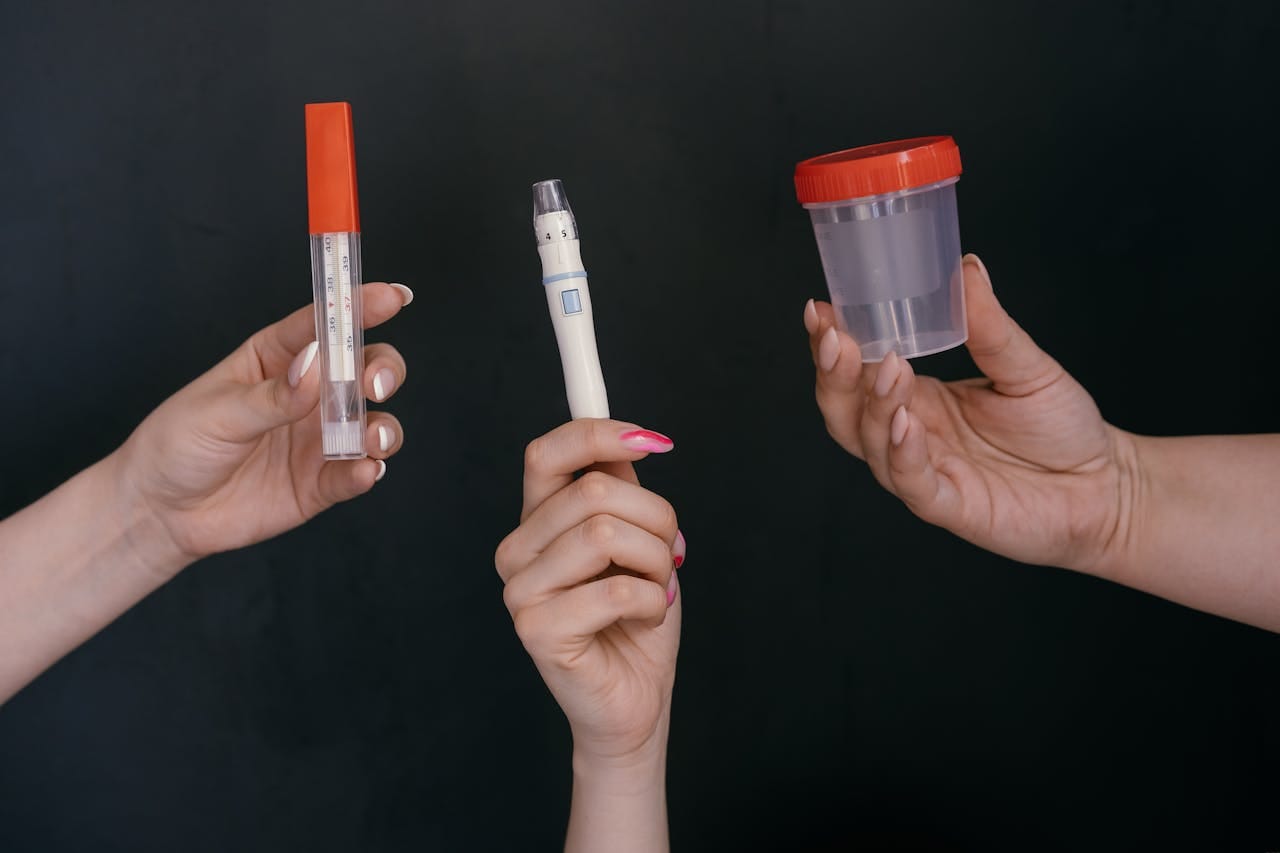
Spot Urine Sample: The most commonly used method involves collecting a single urine sample, preferably the first morning void. The urine ACR test procedure for spot samples is straightforward and can be performed in any clinical setting.
24-Hour Collection: While more accurate, this method is less convenient and rarely used for routine screening. It involves collecting all urine over a 24-hour period.
Semi-Quantitative Testing: Using urine ACR test strips, this method provides rapid results but with less precision than quantitative laboratory analysis.
Laboratory Analysis
The ACR test of urine requires proper sample handling and storage. Samples should be analysed within 24 hours of collection or refrigerated appropriately. The urine ACR test bottle should be clean and preferably sterile to prevent contamination that could affect results.
Urine ACR Test Calculation
The formula for ACR calculation is:
ACR = (Albumin concentration in mg/L) ÷ (Creatinine concentration in g/L)
Results are expressed in mg/g or mg/mmol depending on the laboratory's preferred units.
ACR Urine Test Normal Range
The ACR urine test report is usually available in 1-3 business days. In spot urine specimens, a normal level of UACR is below 30 mg/g.
The normal UACR value is less than or equal to 17 mg/g in men. In women, the level is observed to be higher, ranging around 25 mg/g.
| Category | ACR Value (mg/g) | ACR Value (mg/mmol) | Interpretation |
|---|---|---|---|
| Normal | <30 | <3.4 | Optimal kidney function |
| Moderately Increased | 30-300 | 3.4-34 | Early kidney damage |
| Severely Increased | >300 | >34 | Advanced kidney disease |
A lower number is better for the test, ideally lower than 30. A value of 30 or higher suggests you may be at a higher risk for kidney failure, a cardiovascular event (heart attack or stroke), heart failure, and even a shorter life expectancy.
A new finding of urine ACR of between 3 and 70 mg/mmol should be confirmed with a first morning urine sample to establish a consistent finding and exclude transient elevation due to intercurrent illness.
Factors Affecting Test Results
- Intense physical exercise
- Urinary tract infections
- Fever and acute illness
- Dehydration
- High protein meals before testing
- Menstruation
Physiological Variations
- Muscle mass affects creatinine production
- Age-related changes in kidney function
- Racial and ethnic differences in baseline values
- Gender-specific variations in normal ranges
Urine ACR Test Price in India
The cost of a Urine Albumin-to-Creatinine Ratio (ACR) test in India ranges from ₹270 to ₹989, depending on the city, type of laboratory, and the diagnostic services offered. Prices tend to be lower in smaller cities and at high-volume centres, while metropolitan areas may see moderately higher rates.
More factors influencing the price include:
- Whether the lab is NABL-accredited or hospital-affiliated.
- Turnaround time (TAT) for reports.
- Diagnostic packages versus standalone test pricing.
Despite price fluctuations, most standard Urine ACR tests across urban centres fall within the ₹400 to ₹700 bracket, with a TAT of 24 to 48 hours.
Final Thoughts
The kidney urine test ACR represents an essential tool in modern nephrology practice. For pathologists and healthcare professionals, the nuances of ACR testing are fundamental to preventing the progression of chronic kidney disease.
Regular ACR monitoring, combined with appropriate clinical intervention, can significantly impact patient outcomes and reduce the burden of end-stage renal disease in high-risk populations. The test's simplicity, cost-effectiveness, and clinical utility make it an indispensable component of preventive healthcare strategies.
Explore - Urine RM Test
Get Started at ₹1!
Try Flabs for a full month for just ₹1.
Follow us on