H1N1 influenza, commonly known as swine flu, is a respiratory illness caused by the swine flu strain virus (H1N1 influenza A). Rapid and accurate diagnosis is necessary to prevent severe complications. Above all, it prevents further transmission. That’s where the H1N1 test plays a role. It identifies infected individuals, differentiating them from other respiratory infections. In the process, the test also facilitates proper clinical management.
This article provides an in-depth look at the H1N1 test full form, H1N1 test process, H1N1 blood test, H1N1 swab test, and other aspects of diagnosing swine flu. Pathologists and healthcare professionals can use this guide to understand testing methods, interpretation of results and their role in disease control.
What is the H1N1 Test?
The H1N1 test full form is the Hemagglutinin Type 1 and Neuraminidase Type 1 Test. It detects the presence of the H1N1 influenza virus in a patient’s respiratory sample or blood. Early detection of the virus allows for effective treatment and isolation measures, minimising the risk of complications and transmission.
Testing is particularly important during flu season or when an outbreak occurs. Because H1N1 can mimic symptoms of other viral infections like seasonal influenza, COVID-19 or Respiratory Syncytial Virus (RSV).
When is an H1N1 Test Recommended?
Healthcare providers recommend the H1N1 test for individuals presenting with swine flu symptoms, especially those with high-risk factors such as pregnant women, children, elderly individuals and immunocompromised patients. Symptoms that may necessitate testing include
- High fever (100.4°F or higher)
- Persistent cough
- Sore throat
- Shortness of breath
- Body aches and fatigue
- Headache
- Chills
- Vomiting or diarrhea (more common in children)
Additionally, patients with severe respiratory distress, worsening symptoms or exposure to confirmed H1N1 cases should undergo testing to confirm or rule out infection.
Who Should Get Tested?
Everyone with suspected swine flu symptoms are advised to undergo the H1N1 test. Testing is particularly recommended for:
- Children under 5 years old
- People aged 65 and older
- Pregnant women
- Patients with severe or worsening flu-like symptoms.
- Individuals with direct exposure to confirmed H1N1 cases.
- Hospitalised patients with respiratory distress.
- People with underlying health conditions (Asthma, Diabetes, Heart disease).
- Individuals undergoing long-term aspirin therapy under age 18 (due to the risk of Reye's syndrome)
- Immunocompromised individuals, including those with HIV/AIDS or those taking immunosuppressive medications.
- Healthcare workers exposed to infected patients.
Types of H1N1 Tests
There are several methods available for H1N1 test detection, varying in accuracy, turnaround time, and specificity:
| Test Type | Description | H1N1 Test Result Time |
|---|---|---|
| Rapid Influenza Diagnostic Test (RIDT) | Detects influenza A and B antigens but cannot distinguish between subtypes like H1N1. | 15-30 minutes |
| H1N1 Swab Test (RT-PCR Test) | The most accurate test; detects and differentiates the H1N1 virus from other flu strains. | 4-8 hours |
| H1N1 Blood Test (Serology Test) | Identifies antibodies against H1N1 but is mainly used for epidemiological studies. | Several days |
| Viral Culture Test | Confirms the presence of live H1N1 virus but takes longer, making it less useful for immediate diagnosis. | 3-10 days |
H1N1 Test Process: How is it Performed?
The H1N1 test process varies depending on the test method used. What’s the best method? It depends on the patient's condition, time constraints and clinical setting.
1. H1N1 Swab Test (RT-PCR Test)
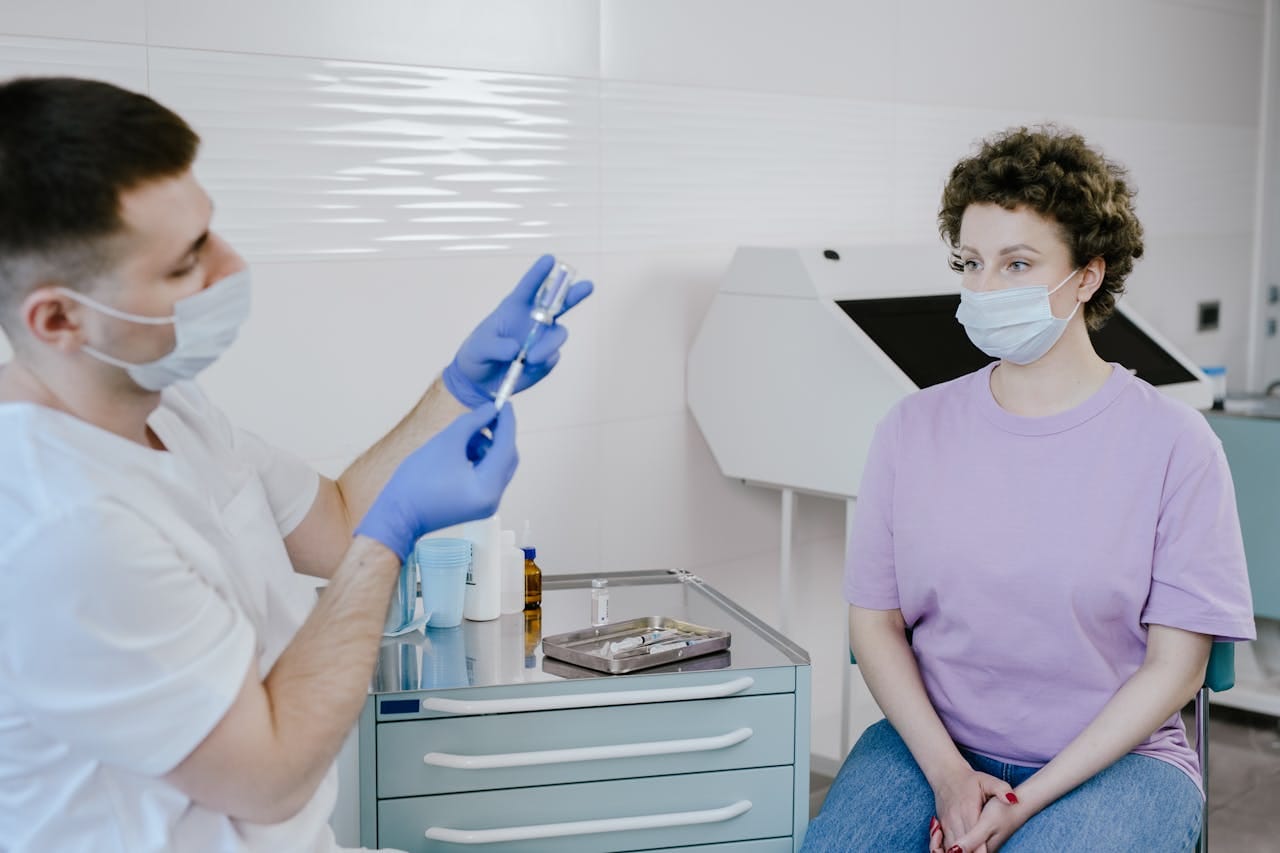
The H1N1 swab test (RT-PCR test) is the most reliable method for detecting active infection. A nasopharyngeal or throat swab is collected using a sterile H1N1 test kit. The sample is then processed in a polymerase chain reaction (PCR) machine, where viral genetic material is amplified to confirm the presence of the swine flu strain virus. Results are usually available within 4-8 hours.
2. H1N1 Blood Test (Serology Test)
The H1N1 blood test (Serology Test) measures antibody levels in the blood and requires a venous blood sample. While it is useful for epidemiological studies, it is not commonly used for immediate diagnosis as antibodies take time to develop.
3. Rapid Influenza Diagnostic Test (RIDT)
A Rapid Influenza Diagnostic Test (RIDT) is another option, detecting influenza A or B viral antigens in nasal or throat swabs. It provides quick results in 15-30 minutes, but its sensitivity is lower compared to RT-PCR testing. False negatives are possible.
4. Viral Culture
A Viral Culture Test can also be conducted as part of the H1N1 test process. The virus is grown from a respiratory sample to confirm H1N1 presence. However, it takes 3-10 days. It becomes impractical for immediate diagnosis, though it is useful for research and surveillance purposes.
H1N1 Test Positive Means: Understanding the Results
| Test Result | Interpretation |
|---|---|
| H1N1 Test Positive | The patient is infected with H1N1 and should begin treatment and isolation. |
| H1N1 Test Negative | No detectable H1N1 virus was found, but false negatives may occur in early infection stages. |
| False Positive | The test incorrectly identifies H1N1; confirmation via RT-PCR may be needed. |
| False Negative | The test fails to detect the virus, often due to low viral load or improper sample collection. |
H1N1 Test Kit: What Does it Contain?
A standard H1N1 test kit includes:
- Sterile swabs for sample collection
- Transport medium to preserve the sample
- PCR reagents (for RT-PCR testing)
- Rapid antigen test strips (for RIDT)
- Control samples to ensure test accuracy
Laboratories and hospitals use FDA-approved test kits for the H1N1 test. While many labs offer home collection facilities, the process should be conducted only by a healthcare professional.
Treatment and Next Steps After H1N1 Diagnosis
If an H1N1 test is positive, antiviral treatment should begin immediately, especially for high-risk patients. Oseltamivir (Tamiflu) and Zanamivir (Relenza) are the primary antiviral medications prescribed for swine flu treatment.
Supportive Care Measures:
- Hydration and rest
- Fever control with acetaminophen or ibuprofen
- Avoiding close contact with others to prevent transmission
- Monitoring for severe symptoms requiring hospitalisation
Vaccination remains the best preventive strategy against H1N1 influenza, reducing the risk of severe infection and complications.
Lifestyle and Home Remedies
- Drink plenty of fluids (water, juice, warm soups) to prevent dehydration.
- Rest adequately to support immune function.
- Consider pain relievers (acetaminophen, ibuprofen) for fever and headache relief. Avoid aspirin in children and teenagers due to the risk of Reye's syndrome.
- Avoid public contact until the fever subsides for at least 24 hours.
Preventing the Spread of H1N1 Influenza
- Annual flu vaccination to reduce infection risk.
- Frequently wash hands with soap and water.
- Wearing a mask in high-risk areas.
- Covering mouth and nose when coughing or sneezing.
- Avoid crowded places during flu outbreaks.
Conclusion
A knowledge of co-infections and differential diagnosis is essential for healthcare professionals when interpreting H1N1 test results. Many respiratory viruses, including H3N2, RSV and COVID-19, present with overlapping symptoms, making the multiplex testing beneficial in outbreak scenarios.
Also, false negatives due to improper sample collection or low viral load can delay treatment. Pathologists should consider cycle threshold (Ct) values in RT-PCR to assess viral load and transmission potential.
Developing standardised antiviral resistance testing protocols can further refine treatment strategies. Continuous surveillance, genome sequencing and public health collaboration improve preparedness against emerging influenza variants. It reduces the impact of future outbreaks.
Get Started at ₹1!
Try Flabs for a full month for just ₹1.
Follow us on