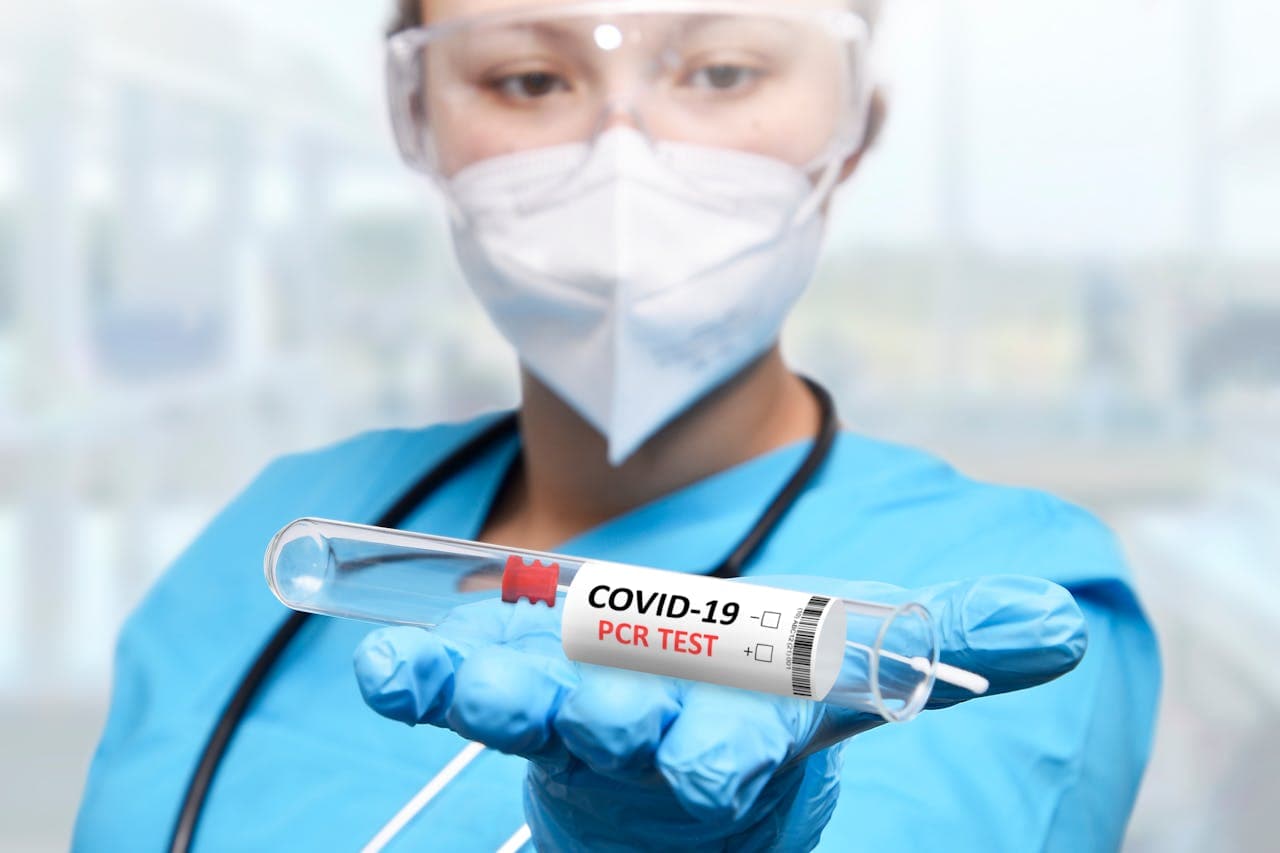
With the rise in COVID-19 cases, the need for accurate testing has become critical globally. Among various methods to detect the virus, the Real-Time Reverse Transcriptase Polymerase Chain Reaction (RT-PCR) test stands out for its reliability. This test uses the cycle threshold (CT) value, as outlined by the Indian Council of Medical Research (ICMR), to determine how quickly the virus is detected in a sample.
Knowing the CT value is key for RT-PCR test result interpretation, helping to confirm whether someone is COVID-19 positive and guiding early intervention. Proper result interpretation is the basis for effective personal and public health management.
What is RT-PCR test for COVID-19?
RT-PCR is a widely used COVID-19 test. During the pandemic's second wave, many people are being tested. The process involves taking a swab from the throat and nose to collect a sample. In the lab, viral RNA is extracted, converted into DNA, and amplified through PCR. A specific dye is added to the DNA, changing colour when enough virus is present.
Thanks to the government efforts in India, today the test is available in most laboratories at affordable costs. Depending on the city, it costs anywhere between INR 500- INR 2000 and upwards.
When Should You Take RT PCR Test?
You should RT PCR test when you have the following COVID-19 symptoms:
- Headache
- Fever or chills
- Nausea
- Fatigue
- Difficulty breathing
- Sore throat
- Congestion or runny nose
- Loss of taste or smell
- Body aches
- Diarrhea
- Cough
There are many cases of asymptomatic COVID-19 when people do not show symptoms even though they are positive for the virus. So, the best bet is to get tested if you have recently travelled a COVID-19-infected areas or been exposed to such places or people.
How is the RT-PCR Test Done
The RT-PCR test detects the presence of SARS-CoV-2 by identifying its RNA, the virus’s genetic material. In the test, the RNA from the sample is first converted into DNA using a method called Reverse Transcription. This DNA is then amplified to increase its quantity, allowing for accurate detection of the virus.
RT-PCR Test Procedure
Sample collection: A healthcare worker swabs your nose or throat to collect a sample.
A swab is a soft, flexible stick used to collect samples from your nose. There are two types: nasal swabs, which take a sample from just inside your nostrils, and nasopharyngeal swabs, which go deeper. Both work for COVID-19 PCR tests. The swab is then sealed and sent to a lab.
Sample preparation: The sample is treated to extract viral RNA.
Reverse transcription: The RNA is converted into DNA.
PCR amplification: The DNA is amplified using a special enzyme to detect viral presence.
Result analysis: The amplified DNA is analyzed to determine if the virus is present, providing a positive or negative result.
How to Interpret RT-PCR COVID Test Results
RT-PCR test result interpretation yields either a positive or negative result. A positive test means you likely have a SARS-CoV-2 infection. If you have no symptoms, it’s called asymptomatic infection; with symptoms, it’s COVID-19. Most people have mild illness and recover at home. Contact your doctor if your symptoms worsen or for any concerns.
A negative test means you likely didn’t have the virus when tested. But it’s still possible to have COVID-19 if the virus isn’t detectable yet. You could also get infected later, so stay cautious.
If you get positive in your RT-PCR test result interpretation, isolate and contact your doctor. If negative, continue protecting yourself and others from COVID-19.
The PCR test is very sensitive and can detect small amounts of the virus, including after you’ve recovered and are no longer contagious. This means you might still test positive even if you’re no longer spreading the virus.
People with weakened immune systems may shed the virus for months, and healthy individuals can be reinfected. If you test positive but think you’ve already recovered, consult with a healthcare provider.
Accuracy of RT-PCR Test for COVID-19
The RT-PCR test is the standard method for detecting COVID-19 globally. However, new strains, like the UK mutant, can impact its accuracy. In such cases, a chest CT scan might be recommended by your doctor.
Factors that can affect RT-PCR test results include:
- Lab or human errors.
- Improper sample collection.
- Issues with swab sample storage.
- The infection stage.
If you have symptoms such as cough, fever, or loss of taste, and test positive on an RT-PCR test, it strongly indicates COVID-19.
RT PCR Score Range
The CT score in an RT-PCR test measures how many cycles it took to detect the virus. A lower CT value means the virus was detected quickly, indicating a higher viral load and greater potential for spreading. A higher CT value suggests a lower viral load and reduced transmissibility.
Here's the RT-PCR test result interpretation for CT values:
More than 35: Likely negative or early/late stages of infection with low viral load. Clinical interpretation is needed.
25-35: Moderate viral load; isolate and start treatment.
Less than 25: High viral load; immediate isolation and medical consultation needed.
Check all Pathology Tests Interpretation
Precautions Against COVID-19
To reduce the risk of contracting or spreading COVID-19, follow these guidelines:
- Wear a mask if around others, except for children under 2 or those unable to remove a mask independently.
- Isolate from others and pets as much as possible.
- Cover coughs and sneezes with a tissue and discard the tissue. Wash your hands immediately with soap and water for 20 seconds or use hand sanitiser.
- Use separate dishes, utensils, bedding, and towels, and clean them thoroughly after use.
- Ensure good ventilation in shared areas by opening windows or using air filters.
- Stay in a separate room and use a separate bathroom if possible.
- If the sick person can’t wear a mask, caregivers should wear one.
- All household members should wash their hands frequently with soap and water or use hand sanitiser.
- Frequently disinfect high-touch surfaces like doorknobs, light switches, and remote controls.
- Limit travel and outings to essential activities only. Use curbside pickup or delivery services when possible to reduce exposure.
Conclusion
As you go into the complexities of RT-PCR test result interpretation, remember that staying informed and cautious is key. Emerging research continues to refine our grasp of the virus and its impacts. Keep abreast of updates from health authorities and remain adaptable in your approach to prevention and treatment. Your proactive measures and vigilance play a crucial role in safeguarding your health and contributing to public safety.
Also read: Widal Test Interpretation 1:80
Get Started at ₹1!
Try Flabs for a full month for just ₹1.
Follow us on