In the intricate world of medical diagnostics, the accuracy of laboratory results hinges on the pivotal first step of specimen collection. This foundational process entails the precise gathering of biological samples, such as blood, urine, tissue, or other bodily fluids, which are then analysed in the laboratory to diagnose conditions, guide treatment decisions, and monitor patient health. The significance of optimising specimen collection techniques cannot be overstated, as even minor errors or deviations from established protocols can lead to inaccurate results, potentially impacting patient care and outcomes.
This article aims to shed light on the critical role of specimen collection in ensuring laboratory accuracy. Through a comprehensive exploration of the types of specimen collection, the techniques employed, and the procedures followed, we will navigate the complexities of obtaining high-quality samples. Our journey will also delve into specific considerations for common tests, such as blood and urine specimen collection, underscoring the principles that underpin successful diagnostic evaluations.
What Is Specimen Collection?
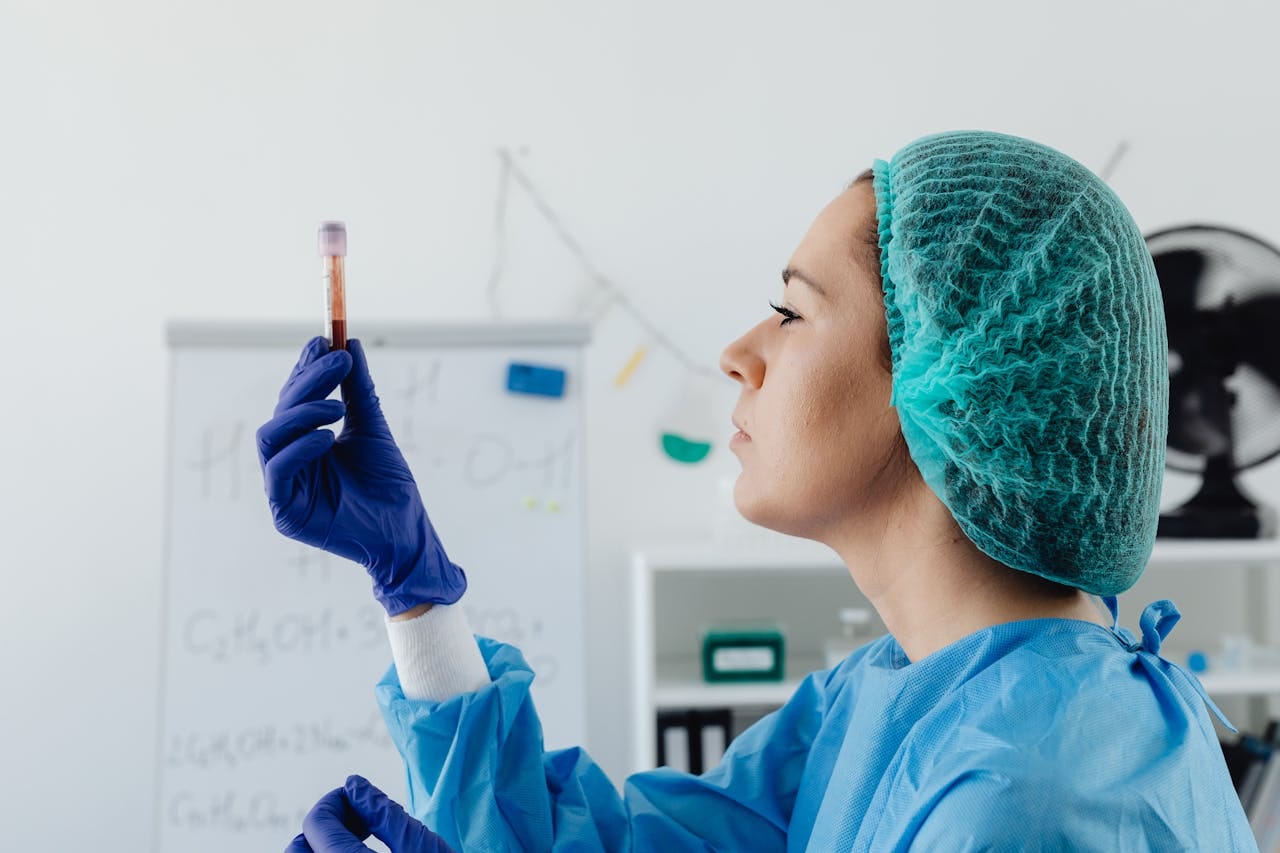
Specimen collection is a critical process in medical diagnostics that involves obtaining samples of blood, urine, tissue, or other bodily fluids for laboratory analysis. This process is foundational in healthcare, enabling the accurate diagnosis, monitoring, and treatment of diseases. The goal of specimen collection is to obtain a sample that accurately reflects the patient's health status or the presence of specific pathogens, ensuring that laboratory results are reliable and meaningful.
Effective specimen collection requires adherence to precise protocols to maintain the integrity of the sample and prevent contamination. This includes the proper identification of the patient, the use of sterile collection techniques, and the correct handling and transportation of the specimen to the laboratory. Different types of tests may require specific methods of collection, such as venipuncture for blood samples, clean-catch methods for urine samples, or swabs for infectious agents.
The quality of the specimen collected directly impacts the accuracy of laboratory results, making it essential for healthcare professionals to be well-trained in collection techniques. Moreover, patient preparation and cooperation are also crucial to ensure the collection process is as efficient and effective as possible. Through meticulous specimen collection, healthcare providers can obtain vital information necessary for informed clinical decision-making and optimal patient care.
What Are the Types of Specimen Collection?
Specimen collection encompasses various methods tailored to the type of sample needed and the diagnostic requirements. The main types of specimen collection include:
1. Blood Collection
One of the most common types involves the withdrawal of blood from a vein (venipuncture) or sometimes capillaries (fingerstick or heel prick) for a wide range of tests.
2. Urine Collection
It can be a random sample, first-morning specimen, timed collection, or 24-hour collection, each serving different diagnostic purposes, such as kidney function tests or detecting infections.
3. issue Biopsy
Involves removing a small piece of tissue from organs or masses for examination under a microscope, crucial for diagnosing cancers and other tissue abnormalities.
4. Swabs
Often used for collecting samples from surfaces of the body, like the throat, nasal passages, or skin. Swabs are commonly used to detect infections like strep throat, COVID-19, or skin infections.
5. Stool Samples
Collected for testing to identify digestive tract issues, infections, or the presence of blood.
6. Sputum Samples
Expectorated material from the lungs is used for diagnosing respiratory diseases such as tuberculosis or pneumonia.
7. Body Fluids
Cerebrospinal fluid (CSF), synovial fluid, pleural fluid, or peritoneal fluid are collected through procedures like lumbar puncture or arthrocentesis to diagnose conditions affecting these areas.
What Are the Different Specimen Collection Techniques?
Effective specimen collection techniques are crucial for obtaining accurate diagnostic results. These techniques vary depending on the type of specimen being collected and include:
1. Venipuncture
The most common method for blood collection, involving a needle inserted into a vein, usually in the arm. Proper technique is vital to ensure the quality of the sample and minimise discomfort for the patient.
2. Capillary Collection
Used for obtaining blood samples from areas with rich capillary beds, such as fingertips or heels (in infants), using a lancet. This method is often used for tests that require small amounts of blood.
3. Swabbing
Involves using a sterile swab to collect samples from surfaces like the throat, nasal passages, or skin. Swabbing must be done carefully to collect enough cells for testing while avoiding contamination.
4. Urine Collection
Techniques vary, including clean-catch midstream urine collection to reduce contamination, timed urine collections for assessing specific substances over time, and catheterisation when patients cannot urinate independently.
5. Biopsy
Involves extracting tissue samples using needles, surgical procedures, or endoscopy. The choice of technique depends on the location and nature of the tissue being examined.
6. Body Fluid Collection
Procedures like lumbar puncture for cerebrospinal fluid or arthrocentesis for joint fluid require sterile techniques and special care to avoid infection and ensure accurate analysis.
Specimen Collection Procedure
The specimen collection procedure is a structured process that ensures the integrity and reliability of the sample for laboratory analysis. While the specific steps can vary depending on the type of specimen and the collection technique, general principles apply to most procedures:
1. Preparation
Before collecting any specimen, healthcare providers must verify the patient's identity, explain the procedure to the patient, and ensure that all necessary materials are ready and sterile. It's crucial to follow any pre-collection instructions, such as fasting requirements.
2. Collection
Using the appropriate technique for the type of specimen being collected, the healthcare provider must carefully follow established protocols to ensure the sample is collected correctly. For example, venipuncture involves selecting a suitable vein, disinfecting the skin, and drawing the blood with minimal discomfort to the patient.
3. Labeling and Documentation
Immediately after collection, the specimen must be labelled accurately with the patient's information, date, and time of collection. Proper documentation in the patient's medical record is also essential, including any relevant clinical information and the specific tests requested.
4. Transport and Storage
The specimen should be transported to the laboratory as soon as possible, following any specific requirements for temperature or handling to maintain the sample's integrity. Some specimens may need to be refrigerated or kept on ice, while others must be transported at room temperature.
5. Safety and Compliance
Throughout the procedure, healthcare providers must adhere to safety protocols to protect themselves and the patient from potential infections. This includes using personal protective equipment (PPE) and disposing of sharps and other materials in accordance with infection control guidelines.
Blood Specimen Collection
Blood specimen collection is a fundamental procedure in medical diagnostics, serving a wide range of testing purposes. Here's an overview of the process and key considerations:
- Preparation: Identify the patient and explain the procedure. Gather all necessary equipment, including needles, collection tubes, and antiseptic wipes. Ensure the patient is in a comfortable position, either sitting or lying down, to prevent fainting.
- Vein Selection and Site Preparation: The median cubital vein in the antecubital fossa (the front of the elbow) is commonly used due to its size and accessibility. Use a tourniquet to make the vein more prominent, but release it as soon as blood flow is established to avoid altering test results. Clean the puncture site with an antiseptic wipe to reduce the risk of infection.
- Venipuncture: With a well-anchored vein, insert the needle at an angle of 15 to 30 degrees. Once blood flow is established, collect the required amount into each tube according to the tests ordered, following the correct order of draw to prevent cross-contamination and ensure accurate results.
- Post-collection Care: After removing the needle, apply gentle pressure to the site with a clean gauze or cotton ball to stop bleeding. Bandage the site if necessary. Properly label each specimen tube with the patient's information, date, and time of collection.
- Safety and Handling: Dispose of the needle and any other sharps in a designated sharps container immediately after use. Transport the specimens to the laboratory promptly, following any specific instructions for temperature or handling.
Urine Specimen Collection
Urine specimen collection is a common procedure used for diagnostic testing, monitoring conditions, and screening for diseases. The process can vary based on the type of analysis required, but general guidelines ensure the integrity of the sample:
1. Types of Urine Collection
- Random Urine Sample: Collected at any time without any special preparation. It's used for routine screenings.
- Clean-Catch Midstream Urine: Involves specific cleaning steps before collection to minimise contamination. The patient starts urinating, stops, and then collects the sample midstream.
-** 24-Hour Urine Collection**: Involves collecting all urine produced in 24 hours. It's used to measure substances that may vary throughout the day.
2. Collection Instructions
- Patients should receive clear instructions on how to collect the urine sample, especially for clean-catch or 24-hour collections, to ensure the accuracy of the results.
- For a clean-catch sample, patients are instructed to clean the genital area with an antiseptic wipe before collection to reduce bacterial contamination.
3. Sample Handling
- The collected urine should be labelled accurately with the patient's information, date, and time of collection.
- Urine samples should be transported to the laboratory as soon as possible, especially if the urine needs to be analysed for substances that may degrade over time. If immediate transport isn't possible, storing the sample in a refrigerator may be necessary.
4. Safety Considerations
- Proper hygiene practices should be followed during collection to reduce the risk of contamination.
- Disposable gloves can be worn during the handling of urine samples to maintain hygiene and safety.
Conclusion
Optimising specimen collection techniques is paramount in achieving accurate laboratory results, which are crucial for diagnosing and managing patient health effectively. Understanding the nuances of different types of specimen collections, including blood and urine, along with their respective procedures, is essential for healthcare professionals to ensure the integrity and reliability of samples. This comprehensive approach to specimen collection not only supports precise diagnoses but also enhances patient care by facilitating timely and appropriate treatment decisions.
The collaboration between healthcare providers, laboratory personnel, and patients plays a vital role in the specimen collection process. Adhering to established protocols, maintaining open communication, and ensuring patient understanding and comfort can significantly impact the quality of specimens collected and, consequently, the accuracy of laboratory analyses.
As medical science continues to advance, the importance of specimen collection remains constant. It is the foundation upon which diagnostic and treatment decisions are built, underscoring the need for ongoing education and adherence to best practices in specimen collection techniques. By prioritising these principles, the healthcare community can continue to rely on laboratory results as a cornerstone of patient care.
Get Started at ₹1!
Try Flabs for a full month for just ₹1.
Follow us on