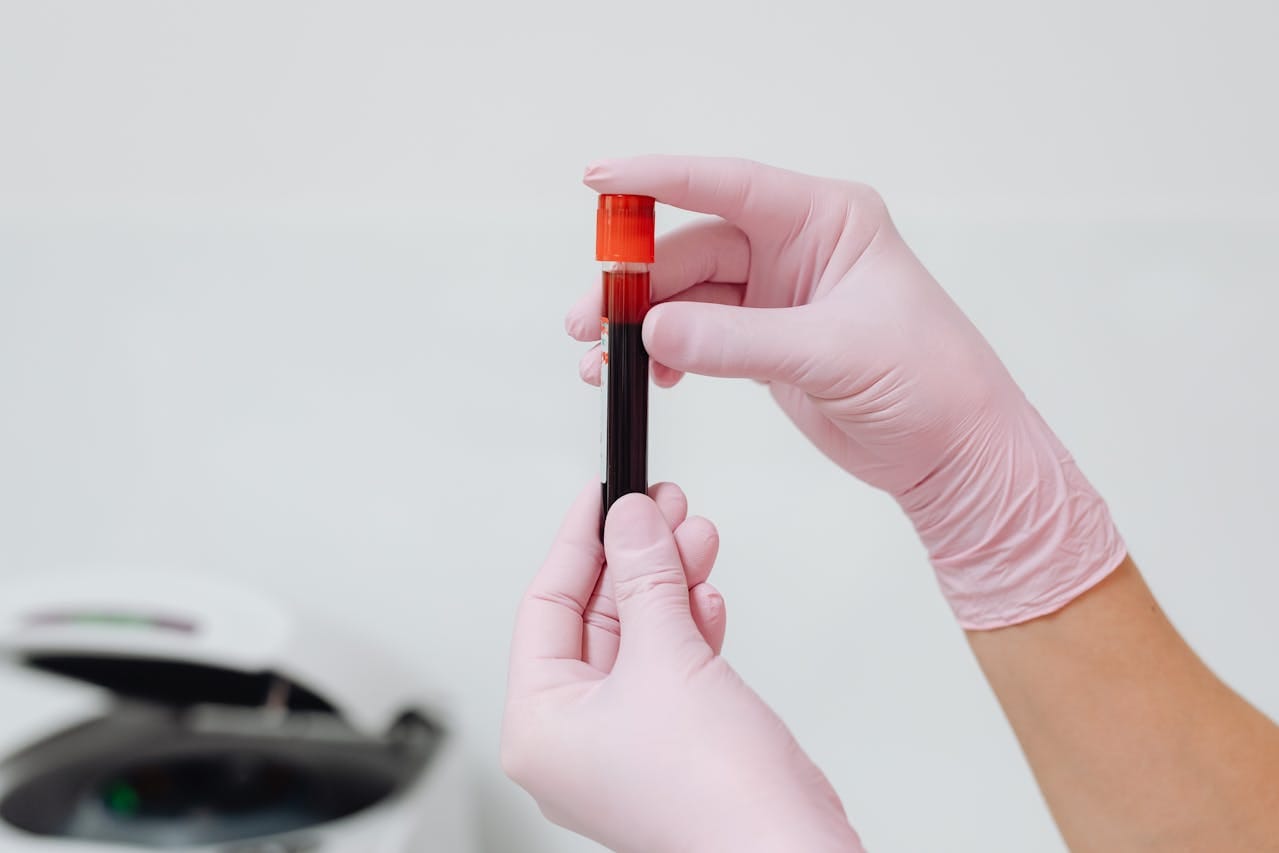
Drawing blood is an essential procedure in the medical field, but it can be a daunting task for many healthcare professionals. Whether you are a seasoned phlebotomist or a newbie, mastering the blood collection procedure is crucial for ensuring accurate and efficient patient care.
The process of drawing blood involves several steps. Healthcare professionals must execute them with precision and care to maintain the sample's integrity and ensure the patient's safety. Moreover, different methods of collection require different skills. Let us discuss the best practices and guidelines for mastering the blood sample collection procedure that will provide you with the knowledge and tips you need to excel in this crucial aspect of healthcare.
Blood Collection Procedure
Generally, the procedure of blood collection depends on the type of method. It requires skill and knowledge for phlebotomists to draw blood successfully without damaging the draw site. Ideally, the entire process should take, at most, a few minutes. Let's look at blood sample collection procedures for different types of sampling.
First Steps
- A phlebotomist must have a professional and courteous attitude when dealing with patients.
- To begin a blood draw, identify the patient with two forms of ID (name and DOB) and verify information on the application; review the test order form (the application) for test requests, patient details, and any special instructions.
- Gather necessary blood collection equipment for the sampling.
- Position the patient comfortably for the procedure, sitting in a chair or lying on a bed.
- Wash and sanitise your hands before starting.
Venipuncture Blood Collection
- Locate a suitable vein by placing a tourniquet 3-4 inches above the puncture site.
- Ensure the tourniquet is not too tight and remove it after 1 minute to avoid tingling or numbness of the limb.
- Put on non-sterile gloves and look for a vein using palpation.
- Clean the area with alcohol pads or antiseptic (2% chlorhexidine gluconate in 70% isopropyl alcohol). Let it dry before proceeding. Don't touch or rub it after cleaning. If you need to reevaluate, think about cleansing the area again.
- Ask the patient to make a fist and secure the arm for venipuncture. Yet, pumping the fist is ineffective.
- Insert the needle at a 15-30-degree angle through the lumen of the vein. Avoid excess probing, which causes pain and discomfort.
- Remove the tourniquet and needle after filling the last tube.
- Apply pressure to the puncture site with cotton or gauze to prevent bleeding.
- Dispose of used materials after completing the blood collection in designated containers.
- Label the collection tubes immediately to avoid mixing or loss.
Capillary Blood Collection
- The best locations for fingersticks are the 3rd and 4th fingers of the non-dominant hand. Avoid using the tip or centre of the finger and areas with less soft tissue, where there are vessels and nerves, or where the bone is touching. Avoid finger areas with rashes, swellings, scars, or cyanosis.
- Wear gloves. Clean the chosen puncture area with antiseptic alcohol. Use 2% chlorhexidine gluconate in 70% isopropyl alcohol. Do this before drawing blood.
- Massage the finger towards the selected draw site to prepare for the puncture.
- Use a sterile lancet to make a skin puncture off the centre of the finger pad. Ensure the puncture is perpendicular to the ridges of the fingerprint so the blood doesn't flow down the ridges.
- Wipe away the first drop of blood to remove excess tissue fluid.
- Collect blood drops into the collection tube/device by gently applying pressure on the finger. Excessive pressure or squeezing may release tissue fluid along with the blood.
- Put on a cap, rotate, and invert the collection tube to mix the collected blood.
- Have the patient hold a gauze pad over the puncture site to stop bleeding.
- Dispose of contaminated materials in appropriate containers.
- Label all tubes at the patient's bedside.
Heelsticking (for Infants)
- It is crucial to prewarm the infant's heel at a temperature of 42°C for 3 to 5 minutes to enhance blood flow for efficient collection.
- Before the procedure, ensure you wash your hands thoroughly and wear non-sterile gloves. Cleanse the intended puncture site using an alcohol sponge, and then dry the area with a dry gauze pad.
- To prevent sudden movements, firmly hold the baby's foot during the procedure.
- Utilise a sterile blood safety lancet to puncture the side of the heel in the designated regions. Make the incision across the lines of the heel print to allow a drop of blood to form without running along the heel print lines.
- Use a clean, dry cotton gauze to remove the initial blood drop.
- Since newborns may not immediately bleed, apply gentle pressure to get a rounded drop of blood. Avoid excessive pressure to prevent dilution of the blood with tissue fluid.
- Fill the necessary microtainer(s) accordingly.
- Once the procedure is complete, elevate the heel and place a clean, dry cotton piece on the puncture site. Hold it in position until the bleeding stops. If necessary, apply tape or a bandage to the area.
- Ensure proper disposal of the lancet in an appropriate sharps container. Dispose of any contaminated materials in designated waste receptacles.
- Remove your gloves and thoroughly wash your hands.
- Immediately label the blood collection tubes.
General Guidelines of Blood Collection
- Ask patients (adults) about what calms them down during blood extraction. Some individuals may find comfort in knowing about each step, while others may feel even more anxious. Finding the best way to communicate can reduce anxiety and pain.
- Before conducting the blood draw, always check for any allergies. You must be aware of potential latex allergies from tourniquets or bandages. Also, be aware of allergies to soap components used to clean the area. It minimises discomfort.
- Enhance your knowledge about the anatomy of the arm and hand related to veins. For instance, many blood extraction professionals target the antecubital area of the arm. They do so because it has many prominent veins.
- Before applying a tourniquet, examine the arm to identify any visible veins. Look for veins that appear to be straight to reduce the risk of developing a hematoma.
- Ensure to stretch the skin around the vein. This prevents the vein from rolling or changing direction while inserting the needle.
Areas to Avoid for Blood Collection
- It is tough to puncture scar tissue and get a blood sample in areas with excessive burns or surgery scars.
- Drawing blood from haematoma sites might result in erroneous test results.
- Do not draw blood from sites of IV therapy or blood transfusions. Go for another arm or limb if possible.
- The upper extremity on the side that has undergone a mastectomy– the presence of lymphedema can alter the test results.
- Drawing blood from cannulas, fistulas, or heparin locks on limbs is not allowed. You must consult the concerned physician first.
- Drawing blood from swollen limbs might affect test results. This is due to fluid in the tissue.
Best Practices to Avoid Haemolysis
- Gently mix all tubes with anticoagulants 5 to 10 times.
- Do not draw blood from areas with haematoma; select a different draw site distal to the area.
- If you are using a needle with a syringe, do not pull back the plunger forcefully.
- Make sure the blood collection site is dry before continuing with the drawing.
- Do not do excess probing or traumatic drawing.
- Do not apply a tourniquet for a prolonged time (1 minute is ideal).
- Do not massage, squeeze or probe a site in excess that may draw tissue fluid; it can also increase bleeding.
- Do not over-clench the fist in venipuncture or apply excess pressure in case of capillary collection.
- If blood flow into the tube slows down, adjust the needle position so that it is in the middle of the luminal cavity of veins.
Types of Blood Collection
Venipuncture Blood Collection
The most commonly used method of blood sampling, venipuncture involves drawing blood from veins in the upper limbs- the arm. Generally, cephalic veins located on the lateral side of the arm or basilic veins on the medial side are considered the best for venipuncture. As these veins are located close to the skin, piercing the needle doesn't cause much pain or discomfort to the patient.
There are better methods of blood collection than venipuncture, though. While patients complaining of discomfort is expected, the test tubes used for collection present storage, handling, contamination and transportation challenges.
Arterial Blood Collection
Healthcare professionals use this method to identify respiratory, metabolic, and mixed acid-base abnormalities requiring understanding and monitoring CO2 levels. Only hospital environments allow arterial blood collection methods. Though a safe process, it is often painful. There is also a risk of excess bleeding for patients with coagulopathy.
Capillary or Fingerstick Collection
Frequently used in blood group test procedures, the capillary blood collection method is the simplest. It also takes less time to complete sampling, causing more comfort for the patient. It is the ideal method for children and nervous adults. Blood loss is much less, preventing excess bleeding and complications.
Capillary blood collection doesn't require much preparation; you can do it without the help of a phlebotomist. You can also do the blood collection at home or without supervision. So, it benefits remote clinical trials, patient monitoring, and medical research.
Conclusion
Mastering the blood collection procedure is essential for healthcare professionals to ensure accurate and efficient patient care. Following the best practices and guidelines outlined herein can improve your skills and confidence in performing blood collection procedures.
Remember to prioritise patient safety, maintain proper hygiene practices, and stay up-to-date with the latest techniques and technologies in the field. It will benefit your patients and contribute to the overall quality of healthcare delivery.
Related reading : Step by step guide on Phlebotomy Procedure
Get Started at ₹1!
Try Flabs for a full month for just ₹1.
Follow us on