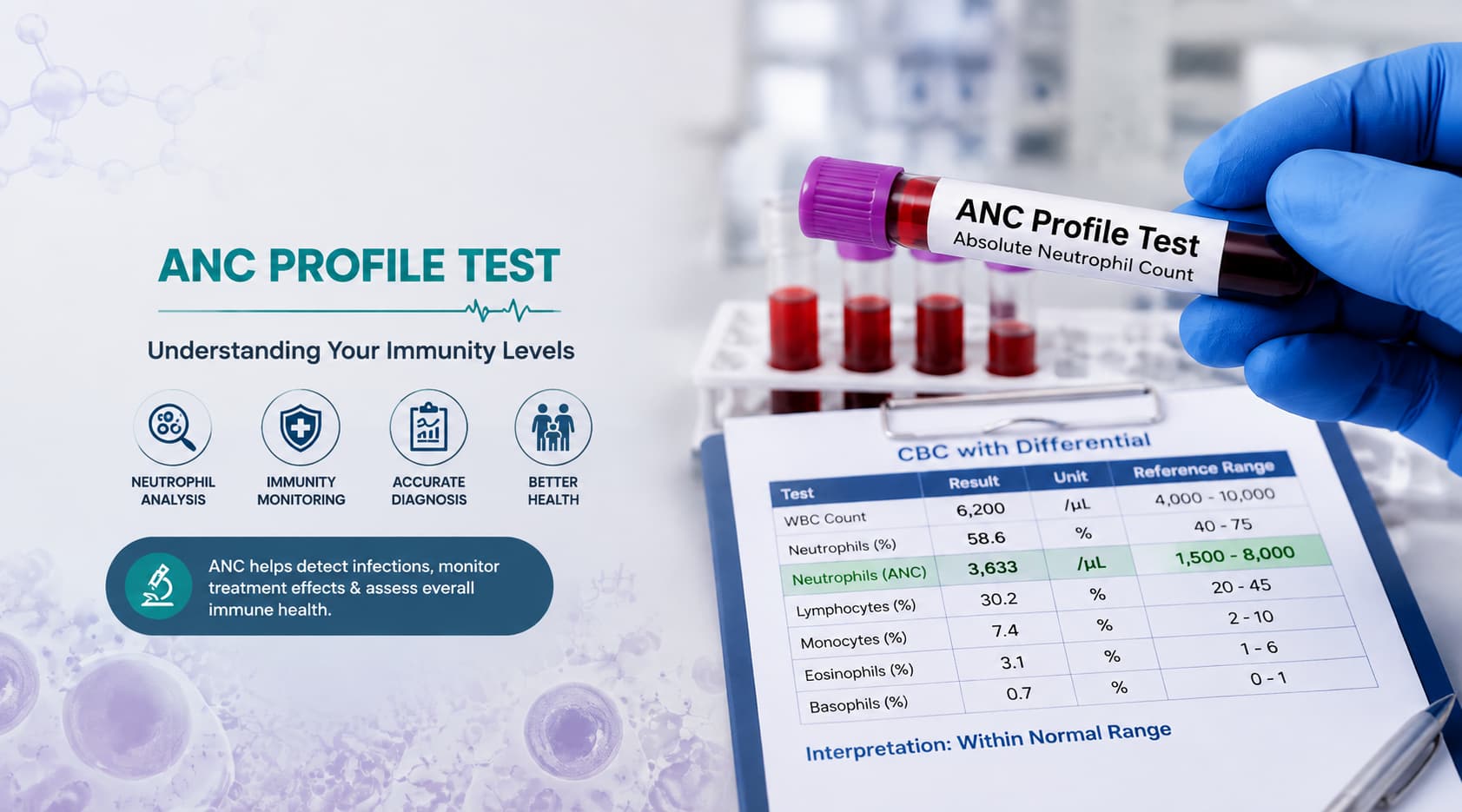
Pathology reports are not mere documents of medical test results. They have a crucial role in accurate and speedy diagnosis, helping with early treatment. Standardising pathology reports enables seamless communication between healthcare professionals worldwide. Pathology report formats must follow various national and global regulations for interoperability. In essence, pathology reports are one part of the whole healthcare system.
So, what is a pathology report? Let’s look at that today. We will understand the different types of pathology reports, the structure of a typical report, and what influences the duration of test results in this blog post. At the end of the read, you will start imbibing how pathology reports are heroes in medical care.
What is a Pathology Report
When diagnostic tests are conducted on patients, the results are published in standardised reports following a set standard. These reports are known as pathology reports. Most diagnostic tests are conducted in pathology laboratories of various kinds, hence the name.
As simple as it sounds, publishing pathology reports requires more work. Doctors must follow various medical lab regulations set by national and international regulatory bodies to prepare a pathology report.
For example, in India, the ICMR (Indian Council of Medical Research) is the regulatory body, whereas WHO (World Health Organisation) prescribes global rules. The set of rules and regulations becomes the pathology report format for any laboratory. Standardisation ensures transferability and interoperability between different healthcare systems and professionals.
Types of Pathology Reports
As mentioned, there are different pathology reports for different diagnostic needs. The format of varying pathology reports also depends on the type of the report. Based on the pathology department's functionality, there are several types of pathology reports.
- Surgical pathology report: Examines tissue removed during surgery.
- Cytology report: Analyses individual cells, often from body fluids or fine-needle aspirations.
- Autopsy report: Details findings from a post-mortem examination.
- Molecular pathology report: Focuses on genetic and molecular analysis of tissues or cells.
- Hematopathology report: Provides diagnostic results for tests related to blood, bone marrow, and lymph nodes.
- Frozen section report: Gives a rapid analysis during surgery to guide immediate decision-making.
- Immunohistochemistry report: Examines specific proteins in tissues using antibody staining.
8.** Electron microscopy report**: Uses high-magnification imaging for detailed cellular structure analysis.
********Typical Structure of a Pathology Report
Structure of a pathology report refers to the order of reading the report. By understanding the skeleton, healthcare professionals know what sections to focus on and what not. Typically, it includes the following details.
- Patient Information: Name, DOB, sex, and other details to uniquely identify a patient.
- Specimen Details**: Type and source of specimen.
- **Gross Description: Size, weight, colour, consistency, and other attributes related to diagnosis and mention of Visible abnormalities or features.
- Microscopic Description: For example, cell types and arrangements, the presence of abnormal cells or structures, and the degree of differentiation (related to cancer pathology reports).
- Diagnosis or Conclusion: Summary of findings including the definitive diagnosis when possible.
- Additional Tests or Comments: Pathologist's comments or recommendations for further testing or treatment.
Pathology Report Example
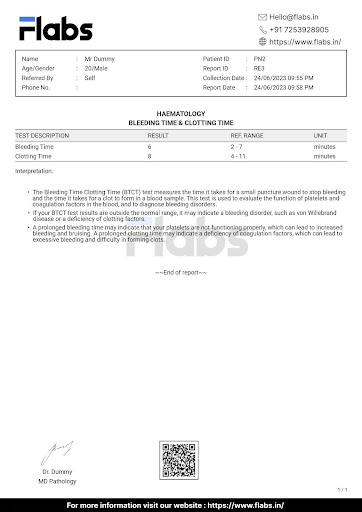
How to Read a Pathology Report
Though there are different types of pathology reports, reading each of them requires similar knowledge. For example, let’s learn how to read a surgical pathology report.
Reading a surgical pathology report involves understanding its key components. Start with the patient information and clinical history to confirm it belongs to the right individual. Next is the specimen description, which outlines the tissue examined and can hint at the type of pathology report. Next comes the gross description, which provides a macroscopic view, noting the size, shape, and appearance of the specimen examined, whichever is relevant.
Navigate to the microscopic description to learn about the cellular and tissue structures seen under a microscope. The heart of the report is the diagnosis or final diagnosis, which summarises the findings, such as benign or malignant conditions. Look for any comments or notes that provide additional context or recommendations for further action.
Pay attention to any special studies like immunohistochemistry or molecular tests, as these offer more diagnostic precision. Most reports contain glossaries to explain any technical terms used. If you have doubts regarding any terminology or implications, consult with the pathologist or treating physician for clarification.
Open communication is essential when reading a pathology report. It is a part of pathology report format to facilitate transparency between patients and healthcare professionals. So, communicate with your healthcare provider for any doubts or clarifications. Feel free to even seek a second opinion about the diagnostic results if necessary.
Turnaround Times for Pathology Results
Understanding the turnaround times of medical reports is part of learning “What is a pathology report?”. Turnaround time in pathology refers to the period between when the laboratory receives a specimen and when the final report is issued.
Turnaround times are crucial for early diagnosis and treatment. Obtaining pathology results takes time- don’t think it happens as per the wishes of respective laboratories! Depending on various factors, the results of pathology reports can take more or less time.
- The factors affecting the turnaround times are:
- Complexity of the specimen.
- Type of tests required.
- Laboratory workload.
- Need for additional specialised tests.
- Average waiting periods for different types of tests:
- Routine biopsies: 2-3 days
- Complex cases (e.g., cancer diagnoses): 1-2 weeks
- Specialised molecular or genetic testing: 2-4 weeks
However, the above timelines vary from case to case and even the severity of a particular case. For example, urgent cases, often marked as "STAT" or "rush," typically receive priority treatment. In critical health situations, preliminary results are usually communicated early to concerned doctors, even before the results are out.
After undergoing a pathology test, it is essential to ask your physician or lab technician for the turnaround times of your pathology report.
Conclusion
Pathology reports are accessible tools for patients trying to understand their health status. Understanding their structure and terminology helps you engage more effectively with your healthcare providers. Remember that these reports are part of an ongoing dialogue about your health, not mere documents to trash! They are the health history of a patient and future references for medical professionals. Being informed about pathology reports empowers both patients and healthcare professionals, ultimately leading to better health outcomes.
Get Started at ₹1!
Try Flabs for a full month for just ₹1.
Follow us on