Understanding your pathology report is a crucial step in taking control of your health journey. But these documents can often seem beyond one’s level of understanding, filled with medical jargon and complex terminology. So, how to read pathology reports? From blood test findings to cancer diagnoses, they vary widely. Turns out, there are some common rules to decode a pathology report.
This comprehensive guide aims to demystify pathology reports. Herein, we will break down their structure, explain useful terms, and provide practical tips for interpretation. Keep reading to equip yourself with the ability to read a pathology report.
Structure of Typical Pathology Report
Verify Patient Identifiers: Check that the report includes your (the patient) name, birth date, and medical record number to ensure the report belongs to the right patient.
Review Clinical Information: Note the clinical information provided by your treating doctor. They typically include symptoms, medical conditions, and specimen details.
Understand the Gross Description: It includes a summary of how the specimen looks to the naked eye, like the size, colour, and number of tissue samples.
Analyse the Microscopic Description: The section presents details on how the specimen looks under the microscope. Compare it with normal cells and note down any abnormalities.
Examine the Diagnosis Section: Focus on the diagnosis section for the final pathology diagnosis, which may be brief or detailed depending on the condition. It is the purpose of your pathology report. Depending on the type of medical condition (e.g. Cancer), additional sections may be included as part of the diagnosis section.
Check the Synoptic Report: If applicable, look at the synoptic report that contains a summary of critical findings. It is used for a disease’s treatment and staging.
Read the Comment Section: Review the comment section for additional insights, explanations of difficult diagnoses, or suggestions for further testing and/or consultations.
Addendum: Look for any additional data such as images, molecular studies, references, and internet links that may aid in understanding your condition.
Understanding Diagnosis Section
The diagnosis section is the heart of your pathology report. Depending on the medical condition, it can contain primary diagnosis, secondary diagnosis along with positive or negative results.
Primary Diagnosis: It is the main condition identified in the patient’s sample (blood, tissue, phlegm, etc.). The main condition could be attributed to a medical condition.
Secondary Diagnosis: It refers to the additional observations that could be relevant to a patient’s overall health or treatment plan, but not of primary concern. These might include incidental findings or early signs of other conditions.
“Positive” or “Negative”: A confusing part of “how to read pathology reports” is interpretation of “positive” and “negative” results. A "positive" result often means the test found evidence of the condition it was looking for. A "negative" result indicates that the test didn't find evidence of that condition.
But context is key. It is for your doctor to explain what these results mean for your specific situation.
Tips to Understanding Your Pathology Report
Glossary: Most pathology reports contain glossary sections to explain the meaning of technical terms associated with the pathology report findings. Refer to the section to understand the meaning of such terms.
Focus on Context: Always consider the pathology report results in the context of your health condition and symptoms. Because each pathology report is distinct, depending on a patient and their health condition.
Use Reliable Online Resources: If you encounter unfamiliar terms, look them up using reputable medical websites like that of the National Institutes of Health (NIH), Mayo Clinic, or professional medical associations related to your condition.
Consult Your Doctor: If any part of understanding your pathology report is unclear, schedule a discussion with your doctor to get a thorough understanding.
Bring a Friend or Family Member to Appointments: It is better to bring someone else along with you when discussing your pathology report. They might ask questions you didn't think of or remember details you might miss.
Take a Second Opinion: When there are concerns about the diagnosis for the patient or referring doctors, getting a second pathologist's review can provide additional insights or confirm the initial findings. Most doctors welcome second opinions as they can help ensure the best care for you.
Common Terminology in Pathology Reports
Pathology reports widely vary based on the type of test and a patient’s medical condition. A Cancer pathology report differs from that for anaemia. However, there are some terms common in everyday pathology reports.
Types of Specimens
- Tissue biopsy: A small sample of tissue taken for pathology examination.
- Blood sample: Whole blood, serum, or plasma for various tests.
- Bone Marrow Aspiration: Liquid portion of bone marrow extracted for testing.
- Urine sample: For urinalysis and other tests.
- Cerebrospinal fluid (CSF): Fluid surrounding the brain and spinal cord.
Common Descriptors
- Normal Results: Test results are within expected healthy ranges.
- Abnormal Results: Test findings are deviating from expected healthy ranges.
- Elevated/Increased Findings: When test results are higher than normal levels.
- Decreased: Test results are lower than normal levels.
Blood-specific Terms
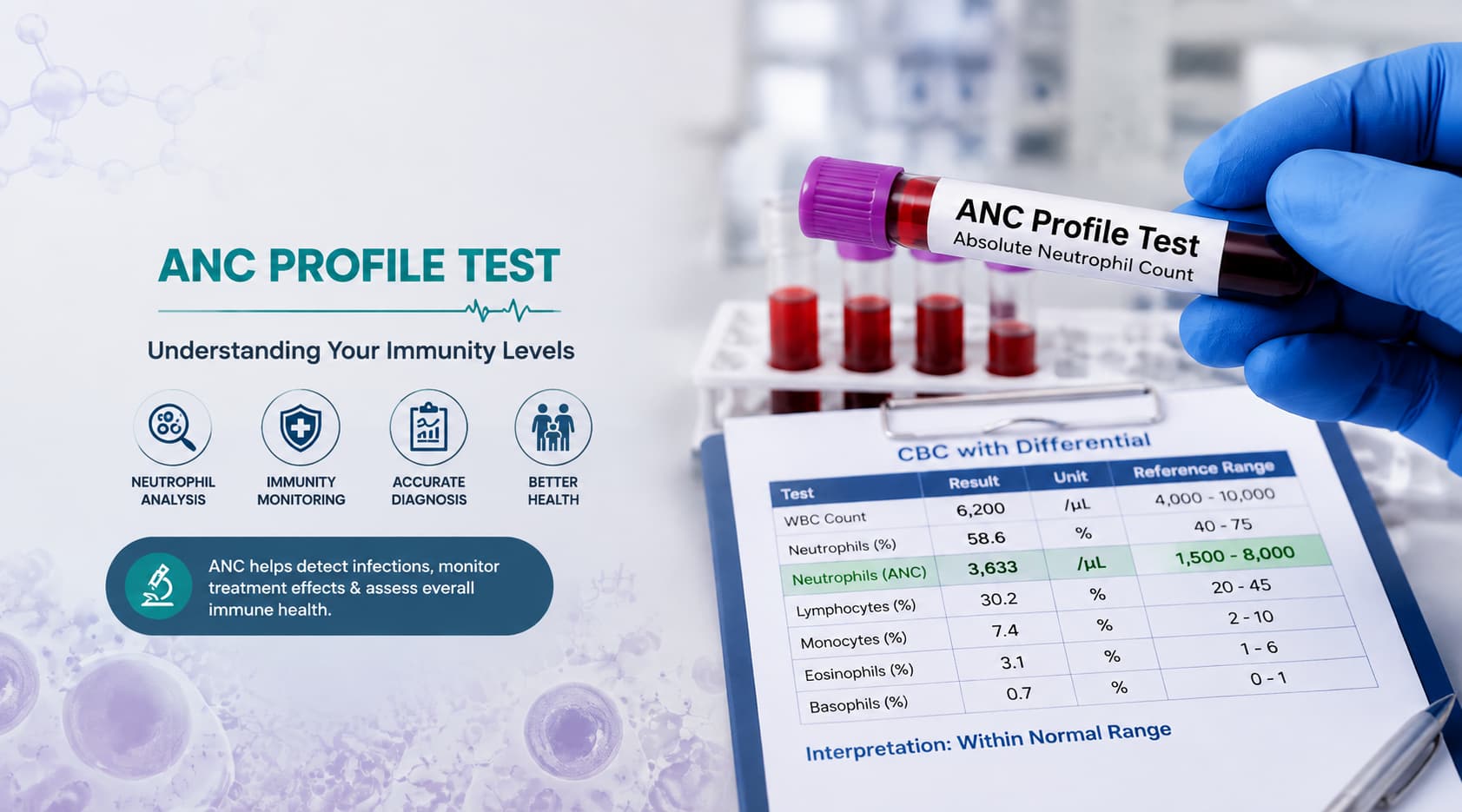
- Complete Blood Count (CBC): Measures various components of blood, e.g., RBC, WBC, Platelets, etc.
- White Blood Cell (WBC) count: When assessing immune functionality.
- Haemoglobin and Hematocrit: Indicators of red blood cell status.
- Platelet count: The count of blood cells that are important for blood clotting.
Tissue-specific Terms
- Benign: Non-cancerous growths in tissues.
- Malignant: Cancerous tissue growths.
- In situ: Abnormal cells, but confined to original location.
- Invasive: Cells spread beyond their original boundaries.
Grading and Staging
- Grade: Describes how abnormal cells look under a microscope.
- Stage: Indicates the extent of a disease's spread.
Conclusion
Now that you know how to read a pathology report, you're almost in control of your health journey. Because it also makes you conscious of taking care of your health! Use this knowledge to have better conversations with your doctor, ask the right questions, and make informed choices.
Remember, it's okay if you don't understand everything at first. Keep learning, stay curious. Never hesitate to ask for help in understanding your pathology report, ever!
Get Started at ₹1!
Try Flabs for a full month for just ₹1.
Follow us on