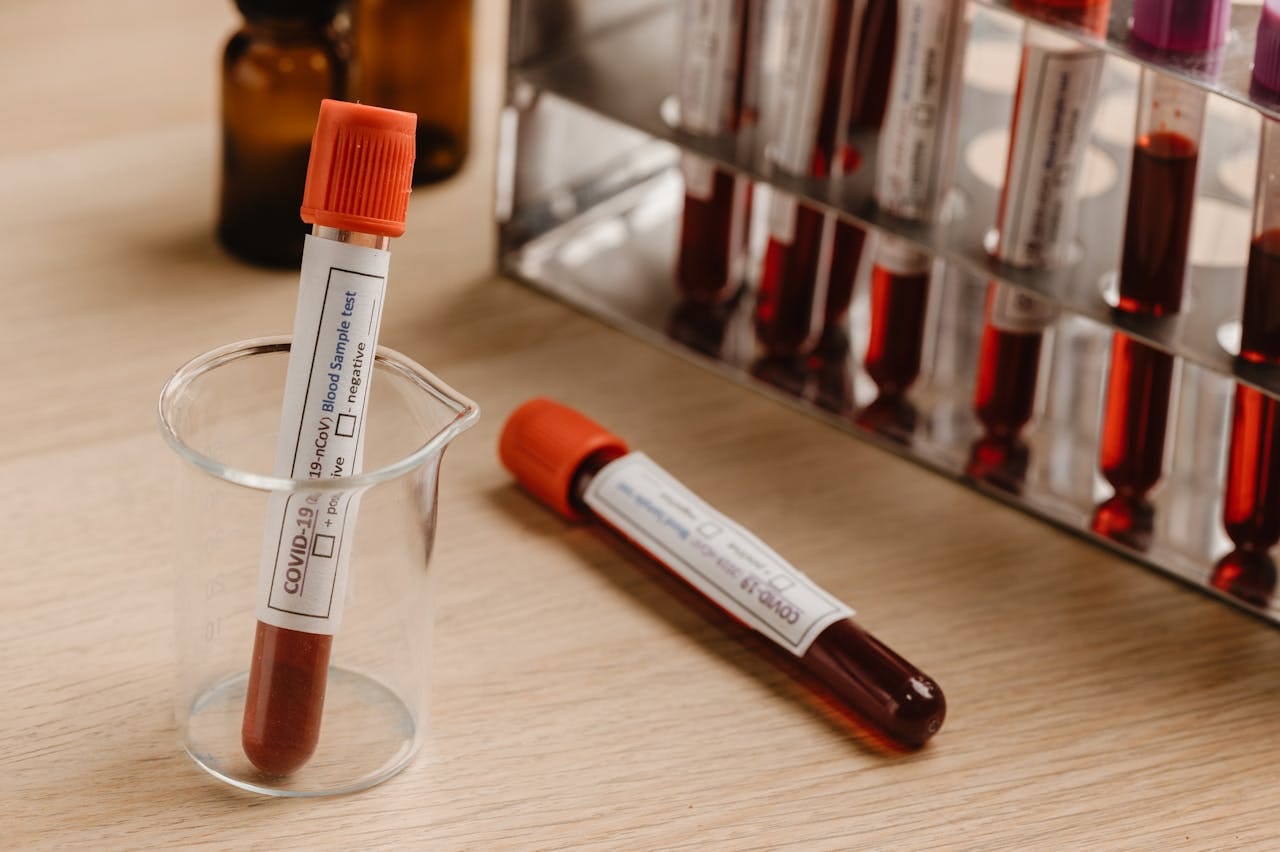
In laboratory diagnostics, blood collection tubes play a crucial role, acting as guardians of blood collection samples. From ensuring sample integrity, protection, and storage to enabling proper identification and usage, blood sampling tubes pervade every aspect of blood tests.
Proper selection and handling of these tubes are paramount, as any misstep can ripple through the diagnostic process, potentially compromising patient care. Every laboratory professional must learn about different types of blood collection tubes, their functionality, and how the order of draw in handling these tubes impacts test results. This article covers such details.
The Importance of Blood Collection Tubes
Sample Integrity
Blood collection tubes ensure the integrity of samples long after they are collected from the patient. The blood sample must remain the same as at the time of collection for accurate results. Special additives in different blood collection tubes prevent haemolysis, clotting, or other alterations over time. As tubes differ for various tests, they also prevent cross-contamination.
Test Compatibility
Different blood tests require blood samples in different forms. For example, blood samples must not clot for blood count, while other tests require active blood clotting. Blood collection tubes have different colour codes to indicate test compatibility and avoid errors.
Basic Sample Identification
Clinical laboratories typically handle thousands of blood samples daily; without accurate labelling systems, mixing and displacing samples is inevitable. Blood collection tubes contain labelling areas to record patient information, sample collection dates, and other relevant data. With the help of labelled tubes, technicians can effectively track and identify the blood samples and associate them with the right patient.
Anticoagulation and Clotting Factors
Another crucial function of blood collection tubes is to help with the clotting or anticoagulation of blood samples. Blood sampling happens in micro quantities, and blood sampling tubes provide an ideal environment to prevent or promote clotting in such quantities. So, blood collection tubes carry certain additives. For example, EDTA is used to avoid clotting in blood
Preservation of Analytes
In glucose testing for diabetes monitoring, it is essential to inhibit glycolysis. Sometimes, preserving specific analytes is crucial, ensuring the blood sample's stability during transportation and storage. Sodium Fluoride is used as an additive in these blood sample collection tubes. It preserves sensitive substances.
Differentiation of Blood Components
Different blood samples require different types of processing and laboratory testing. The colour codes of blood collection tubes indicate which blood sample goes through which test. For example, light blue tubes are used in coagulation studies and contain Sodium citrate additive. Colour coding of blood sample tubes ensures that appropriate tests are performed, reducing the risk of errors and mixing.
*The colour codes may change depending on the region and manufacturer.
Minimization of Contamination
The blood collection process involves manual handling. Contamination can occur due to external factors or professional errors. Using sterile techniques and suitable tubes for the intended tests helps maintain the purity of the sample at the time of collection.
Efficient Workflows
Pathology laboratories are surrounded by thousands of blood samples, so there should not be disorganisation for rapid results. The standardised use of blood test tubes streamlines laboratory workflows. Colour coding, adherence to order of draw, and quick sample identification maintain the efficiency of laboratory workflows and reduce the turnaround time for test results.
Lately, pathology laboratories have been aiming at automation for repetitive tasks through digital pathology. It further speeds up laboratory workflows, where blood sample tubes are crucial.
Accurate Diagnosis and Treatment
Ultimately, accuracy of diagnosis is crucial for doctors to proceed with treatment plans. Blood sample collection tubes ensure the accuracy of test results and help with proper diagnosis. They assist in the pre-analytical phase of laboratory testing, influencing the quality and reliability of the data generated. So, the selection and handling of tubes are critical steps in the overall healthcare process.
Transportation and Storage
Most laboratories transport blood samples from point of care for laboratory testing; sometimes to different countries. As the availability of pathologists continues to be low, the need has increased. Blood testing tubes are designed to provide protection and storage during transportation and displacement, against adverse conditions.
For transportation, specialised trays are used to accommodate the tubes. They ensure sufficient temperature, sterile environment, necessary vacuum levels and other conditions that may be required.
Types of Blood Collection Tubes and Uses
Different blood sample collection tubes serve functionality for various blood tests. The blow table lists and matches the standard blood collection tubes and tests.
Blood Collection Tubes Name And Uses
| Tube Type | Additives | Color Code (International Standard or European)* | Common Uses |
|---|---|---|---|
| EDTA Tubes | EDTA (Ethylenediaminetetraacetic acid) | Lavender or Red | Haematology tests, CBC (Complete Blood Count), DNA testing |
| Serum Tubes | Silica particles or gel separator | Red or White | Chemistry tests, liver function tests, serology |
| Citrate Tubes | Sodium Citrate | Light Blue or Green | Coagulation studies, PT (Prothrombin Time), APTT (Activated Partial Thromboplastin Time) |
| Heparin Tubes | Heparin | Green or Orange | Plasma determinations, arterial blood gas analysis, Chromosome analysis. |
| Sodium Fluoride Tubes | Sodium Fluoride | Gray or Yellow | Glucose testing, blood alcohol levels |
| ESR Tubes | Sodium Citrate and a barrier gel | Black or Purple | Erythrocyte Sedimentation Rate (ESR) testing |
*The colour codes can vary from region to region and manufacturer also.
Order of Draw by Tube Colours
Clinical laboratory standards and guidelines recommend the order of draw for blood collection tubes for the accuracy of test results and to prevent mixing. It is determined by the additives present in each tube. The order also prevents interference from other additives. Here is the general order of draw by tube colour:
- Blood Culture Tubes (Yellow or Yellow/Black)
- Light Blue Tubes (Sodium Citrate)
- Red Top Tube (Silica clot activator)
- Gold/Serum Separator Tube (SST)
- Green Top Tube (Heparin)
- Purple Top Tube (EDTA)
- Pink Top Tube (EDTA)
- Gray Top Tube (Glycolytic Inhibitors)
Also check - Vacutainer Colour Coding Guide: Tube Colours, Additives & Test Uses
Conclusion
It is indisputable that accurate blood test results depend on properly handling collection tubes. Apart from catering to functional aspects, they aid in identifying samples, enabling easy transportation and storage without affecting the samples. Modern healthcare is critically dependent on the accuracy of diagnosis coupled with speed and ease. In this connection, blood collection tubes have a significant role in pathology laboratories' present and future.
Suggested Blog - List of Blood Collection Equipment
Get Started at ₹1!
Try Flabs for a full month for just ₹1.
Follow us on