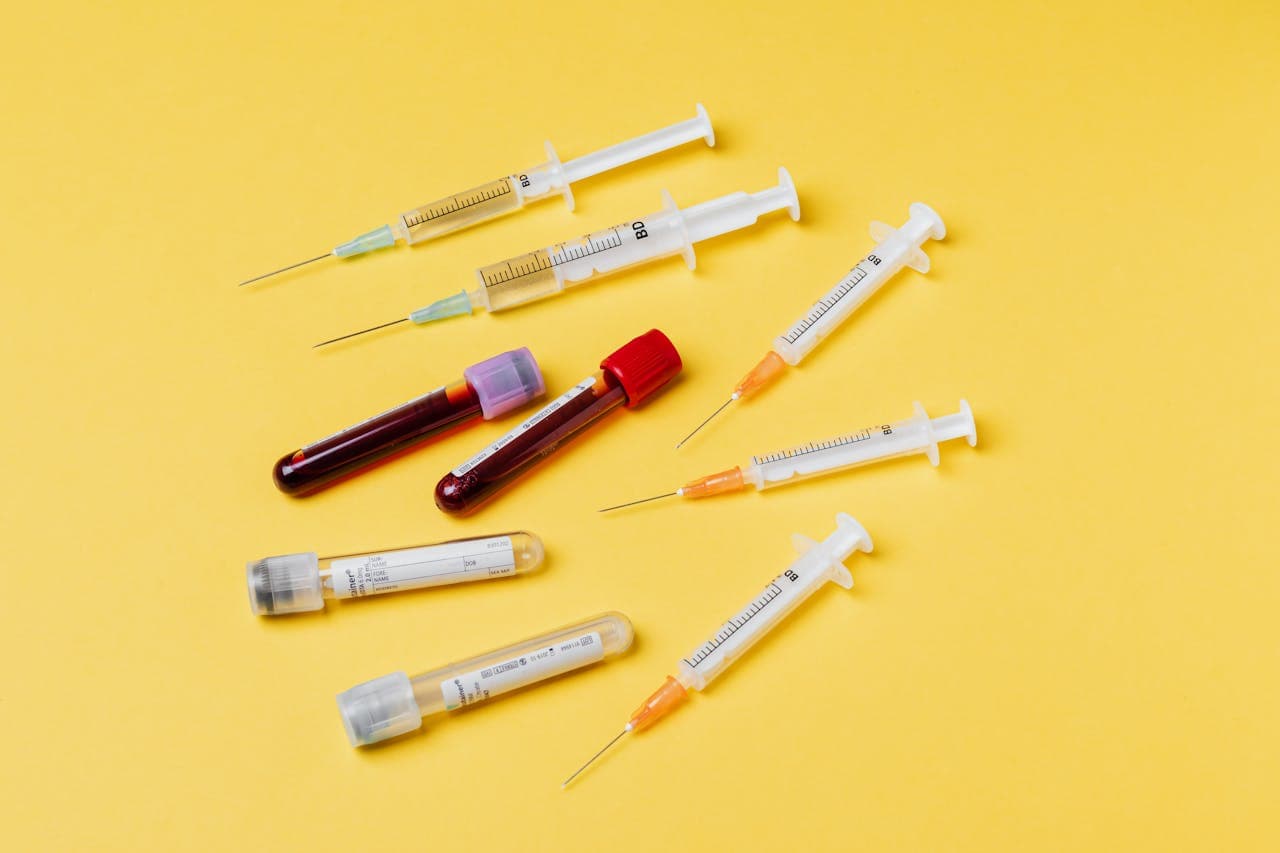
Today, many medical diagnoses and treatments rely on blood tests. Medical providers often have to collect blood samples, necessitating care and the skill and use of specific equipment. Incorrect blood test results jeopardise medical standards while compromising patients' health.
A professional who draws blood is a phlebotomist; he must have the essential blood collection equipment to do the job effectively and effortlessly. This equipment for blood collection helps with the safety, functionality and handling of samples. While most common in venous blood collection procedures, healthcare professionals must note down this equipment for accomplishing quality blood tests.
Top 10 Blood Collection Equipment
1. Tourniquet
Accessing veins in the arm easily is crucial to draw blood from them. While veins are readily visible in some patients, some are not so lucky. In either case, it is essential to make the target vein as accessible as possible for easy blood collection. A tourniquet is a crucial blood collection equipment for this purpose.
By applying a tourniquet, it prevents the flow of blood in the region, thereby dilating the veins. Now, veins become visible. A phlebotomist can easily collect blood without causing injury or taking too long.
2. Needles
A phlebotomist collects blood samples through venipuncture. So knowledge of different types of knowledge is the first step for them. Needle equipment for blood collection comes in all shapes, sizes and gauges. However, the commonly used gauge for venipuncture is 21.
Blood donation procedures use 16 gauge needles, while common injections use a 30 gauge needle. Always keep all types of needles in your blood collection equipment list, so you have access to them in any given situation.
3. Blood Collection Tubes
After collecting blood samples, it is essential to have the correct type of containers to keep them. That is where blood collection tubes are crucial among blood sample collection equipment. A phlebotomist uses different test tubes based on the type of test required. A Microtainer tube collects blood from a punctured skin on a person's heel or finger. Lavender tubes contain special additives that aid blood coagulation for specific haematological procedures.
There are also non-additive tubes without blood-coagulant materials. Drug tests, serum determinations, and blood banks use them.
4. Scrubs
Exposure to blood is risky for phlebotomists. They may get exposed to various bloodborne pathogens, hepatitis B, hepatitis C, and HIV/AIDS viruses during the interaction. While the risk is not high, prevention is better than cure. A scrub is equipment for blood collection that counters this risk. It serves as a safety material in the blood collection equipment list. It is made with special medical-grade materials that prevent mixing bodily fluids.
Phlebotomists must wear them during blood sampling to avoid contagion with pathogens.
5. Alcohol Pad
Accurate blood test results are crucial for a patient's health and treatment. Ensuring the purity of blood samples is vital.
For this purpose, phlebotomists cleanse the blood-draw site before venipuncture to maintain a sterile environment. They use an alcohol pad to achieve this, which acts as a natural antiseptic material.
After applying, the alcohol removes any bacteria or residues. Obviously, it is one of the must-have equipment of blood collection to prevent contaminating the blood samples.
6. Labels
Lab technicians deal with thousands of blood samples every day. Any mixing or displacement of blood samples due to human error or otherwise is dangerous to patients' health. Hence, labels are essential to blood collection equipment to differentiate blood samples. A phlebotomist must apply the label to a test tube immediately after the sample collection.
7. Bandages
After blood sample collection, a phlebotomist will remove the needle. They will then place a gauze or cotton ball at the draw site and apply pressure to promote blood clotting. Sometimes, they use bandages to cover the draw site with the help of a medical tape. The patient must keep the bandage for a sufficient period as specified by the professional.
8. Non-Sterile Gloves
Practising safety on both sides while getting in touch with patients is essential. Phlebotomists must ensure that their hands are clean. At the same time, they must also prevent the transfer of bloodborne pathogens from patients. Non-sterile gloves are another equipment of blood collection that serve safety.
Healthcare professionals use discardable gloves to avoid direct touch with patients or materials. Snug-fitting gloves are ideal for flexibility and are not too tight or loose. Also, do not reuse these Non-sterile gloves more than once.
9. Lancets
Often, phlebotomists use lancets in the blood collection equipment when sampling blood from infants. Because lancets cause less pain than butterfly needles. The length of time involved is also brief. It ensures less stress for small children during blood collection.
Generally, it is applied on heels and fingers.
10. Blood Collection Bags
Often found in blood testing labs and blood banks, they are used for collection, processing, and storage of blood samples. Blood collection bags come in various sizes.
Simple Precautions During Blood Sample Collection
- Clean your hands regularly with WHO-recommended sanitisers before touching the blood draw site.
- Disinfect the draw site with an alcohol pad.
- Don't apply a tourniquet for more than a minute. It might affect test results due to haemo concentration. Remove and reapply if it takes more than a minute.
- Make the patient aware before blood collection to prevent sudden jumps or jerks. It helps avoid any physical harm or injury.
- Remove the tourniquet when you collect the blood sample to prevent excess bleeding from the draw site.
- Apply pressure immediately after removing the needle to set off hematoma formation. Otherwise, blood will collect under the skin's surface, resulting in a painful bruise.
- Attach labels immediately after the sample collection to prevent mixing and loss of the tube.
- Do not reuse any blood collection equipment, especially the needles or syringes.
- Remember to wear scrubs to prevent mixing bodily fluids with the patients.
- Change gloves after every patient or whenever contaminated.
- Discard various items in appropriate containers.
- Keep the blood collection equipment away from patients, especially children.
Conclusion
Using standard blood collection equipment is vital to providing quality healthcare. Healthcare professionals in the blood collection field must learn to use each piece of equipment skillfully and resourcefully. Tourniquets might seem simple, but practical instances teach various tactical ways to utilise them. Similarly, getting hold of multiple needles, knowing when to use them, habituating to use scrubs, and ensuring sterilisation of the equipment comes only with practice.
In the era of modern healthcare, where speed and accuracy of diagnoses are paramount, healthcare professionals must learn to use blood collection equipment flawlessly.
Suggested : Basics of Capillary Blood Collection
Get Started at ₹1!
Try Flabs for a full month for just ₹1.
Follow us on