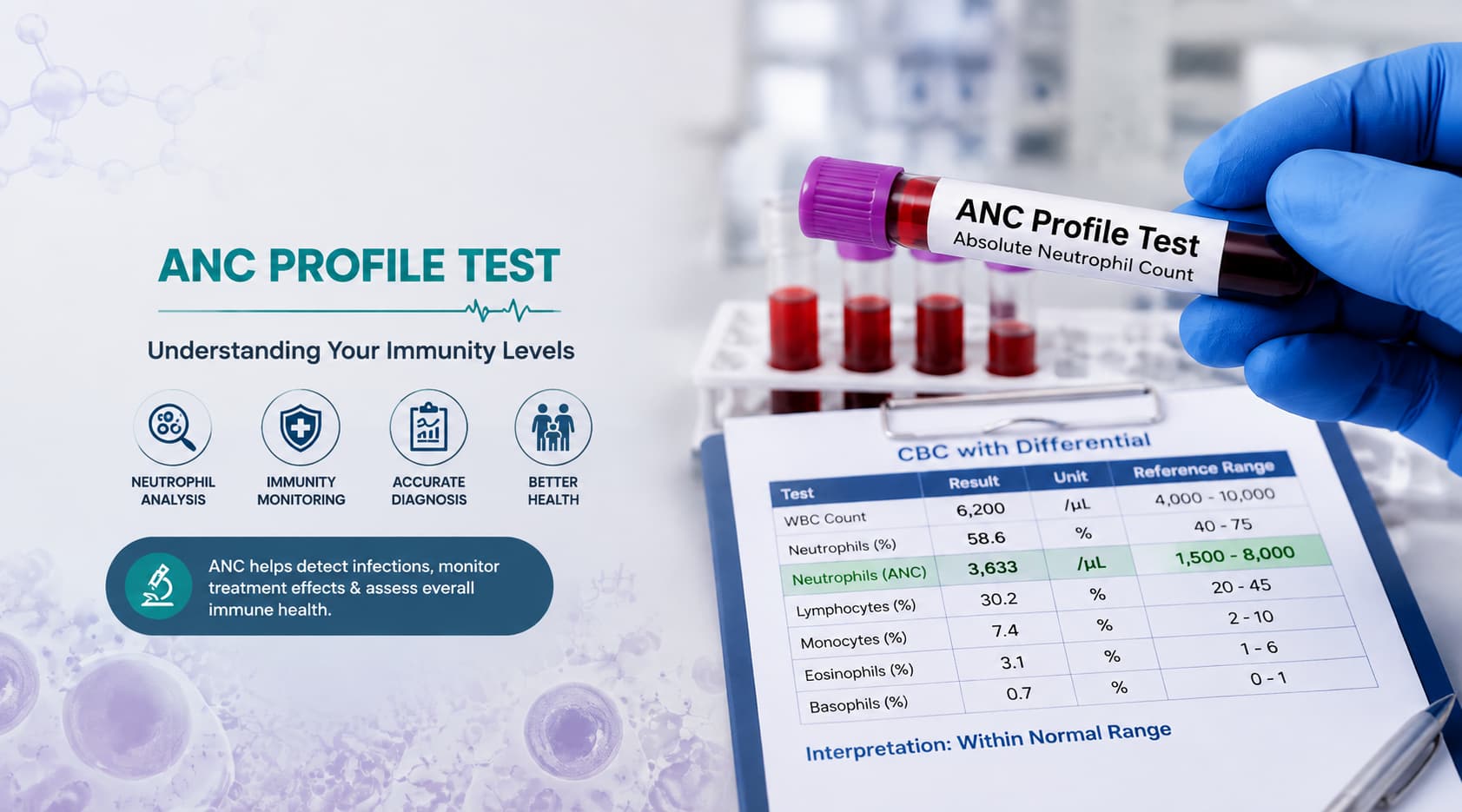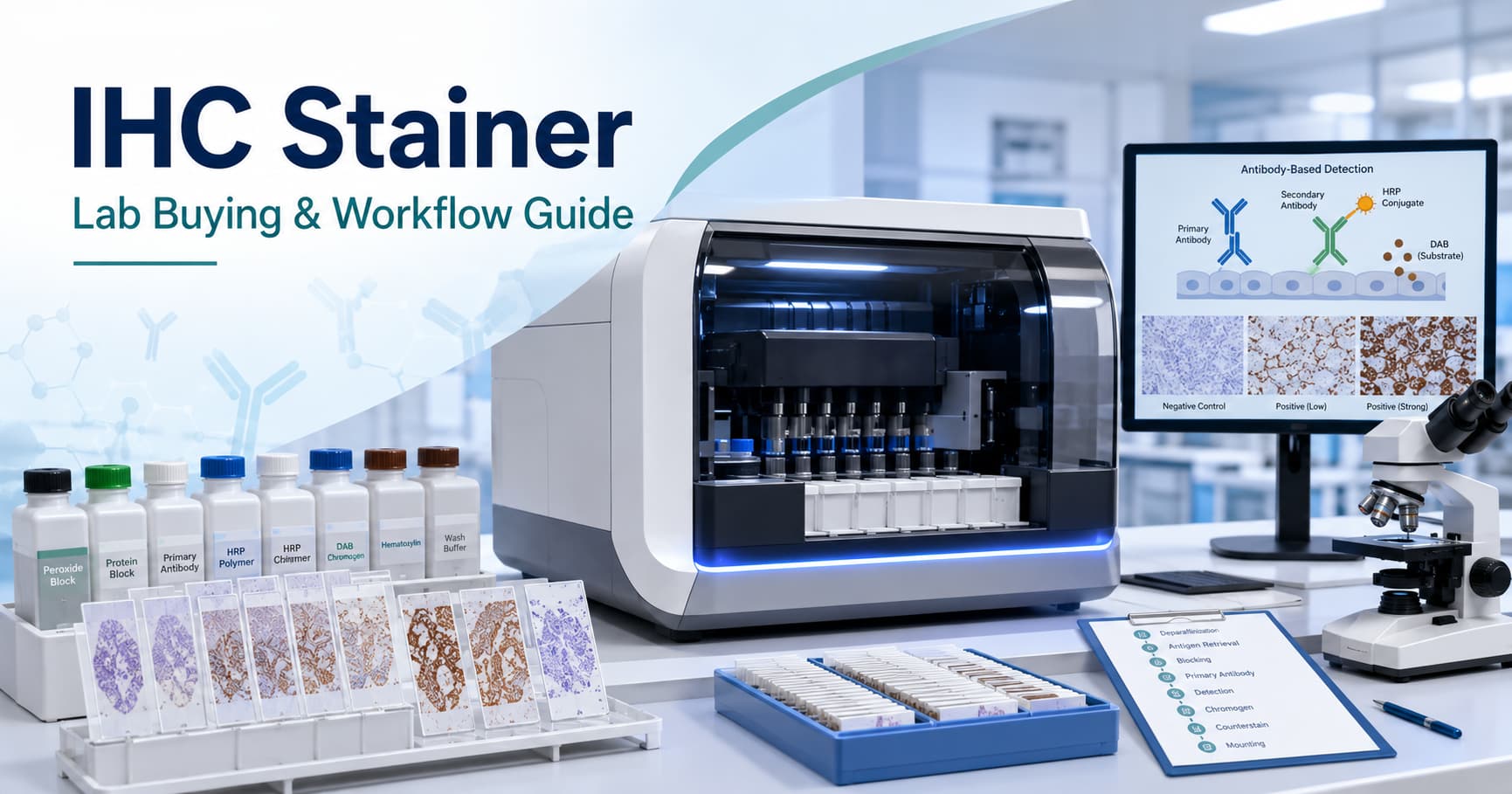
An automated analyser is a medical lab instrument that measures various substances and characteristics in biological samples with minimal human assistance. They can analyse properties of blood, serum, plasma, urine, cerebrospinal fluid, and other bodily fluids to provide diagnostic information.
In contemporary healthcare, these instruments have enabled pathology laboratories to improve accuracy, efficiency, and reliability. Automated analysers represent a major piece of pathology lab equipment for pathologists and healthcare professionals. They comprise many types and possess diverse capabilities imperative for labs.
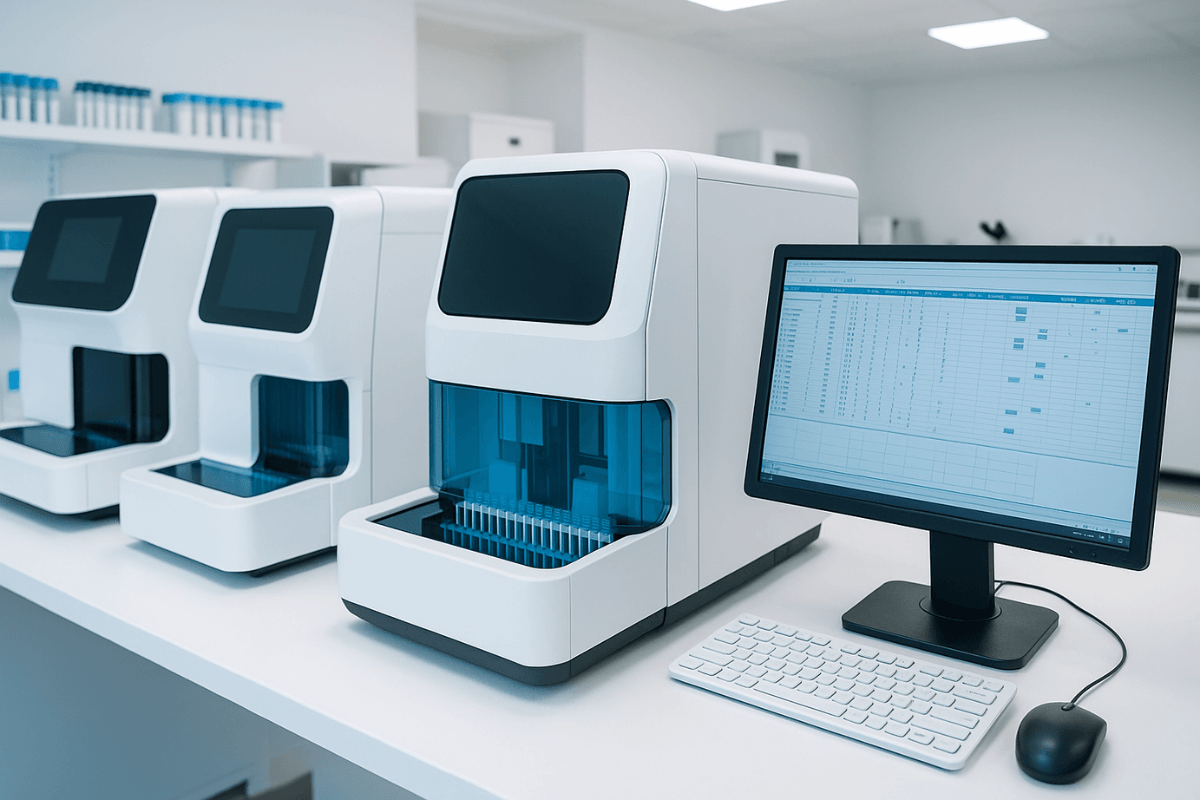
Automated Analyser and Laboratory Automation
From a technical perspective, an automated analyser is an integrated electromechanical system that performs analytical procedures through a combination of robotics, fluid handling mechanisms, optical detection systems, and software algorithms—all with minimal human intervention. It can execute analytical protocols with high precision.
The journey toward such automation began in the 1950s, when laboratory testing demands exceeded manual capabilities. Hans Baruch introduced the first commercial sample analyser in 1959. It was known as the "Robot Chemist," employing mechanical systems to replicate human movements in laboratory testing.
In parallel, Leonard Skeggs developed the AutoAnalyser in 1957, utilising continuous flow analysis (CFA) technology. He employed air bubbles to segment a continuous sample stream, preventing cross-contamination and enabling sequential processing.
Testing times were reduced drastically, from days to minutes. Early applications covered basic biochemical parameters, including enzymatic assays, electrolytes, and metabolites.
Modern automation encompasses full laboratory workflows. It can integrate pre-analytical processes—specimen accessioning, sorting, centrifugation, analytical testing—and post-analytical functions—result verification, storage, and archiving—into comprehensive platforms.
How Automated Analysers Work
Automated analysers operate by mechanising processes previously performed manually by laboratory technicians. These systems follow similar principles to manual techniques, but with each step precisely controlled through technology.
The autoanalyser principle involves several components working in concert:
- Sample handling systems that identify, track, and position specimens.
- Reagent management systems that store and dispense chemicals.
- Reaction chambers where sample and reagent mixing occurs.
- Detection systems that measure the resulting reactions.
- Data processing software that interprets results and generates reports.
Photometry is the most common analytical method. In this method, samples undergo reactions producing colour changes. A photometer then measures the absorbance of the sample to determine analyte concentration indirectly. Ion-selective electrodes (ISEs) are frequently employed for measuring simple ions like sodium, potassium, and calcium. These specialised electrodes selectively allow specific ions through and measure resulting voltage differences.
For enzyme analysis, instruments may measure the rate at which enzymes change one colored substance to another, with results reported as activity rather than concentration. Other tests rely on turbidity measurements or colourimetric changes to quantify specific chemicals in samples.
Types of Analysers in Pathology
Automated analysers in pathology labs differ mainly based on the level of automation used.
Fully Automated Analysers
Fully automated analysers can handle everything from specimen preparation to result generation with minimal human intervention. They excel in high-volume settings. Some of the leading options include random access analysers that allow different tests to be run simultaneously on multiple samples.
Semi-Automated Analyser
Semi-automated analysers require some manual steps. But they automate the main processes. They are a cost-effective solution for smaller laboratories or specialised testing applications. Semi-auto analysers combine manual sample preparation with automated analysis.
Specialised Automated Systems
Automated Haematology Analyser
Haematology analysers quantify and classify blood cells using electrical impedance (Coulter principle) and optical technologies. Electrical analysis passes dilute blood through apertures with electrical currents, while optical systems analyse laser light scatter patterns from individual cells.
Advanced systems perform reticulocyte counts using supravital dyes and generate high-quality blood films automatically. Modern analysers report detailed Cell Population Data that flags abnormal morphology, analysing thousands of cells in seconds.
Automated Coagulation Analyser
These systems evaluate blood clotting through tests including prothrombin time, partial thromboplastin time, D-dimer assays, and factor assays. Using sodium citrate-anticoagulated samples, they add specific reagents to trigger clotting reactions and optically monitor light absorbance changes. High-throughput models perform up to 300 tests/hour.
Automated Urine Analyser
Urine analysers combine chemical strip analysis with flow cytometry for cellular assessment. These systems provide standardised evaluation of physical, chemical, and microscopic urine properties, quantitatively reporting red and white blood cells, epithelial cells, crystals, bacteria, and conductivity.
Benefits and Challenges of Automation in Pathology
| Benefits | Challenges |
|---|---|
| Standardised processes minimise human error and ensure consistent testing. | The auto analyser price is a capital expenditure requiring careful budgeting. |
| Systems process hundreds of samples hourly, reducing turnaround times. | Operating sophisticated systems requires specialised training and dedicated personnel. |
| Automated systems reduce reagent waste and decrease labour requirements. | Each new system needs thorough validation against existing methods and standards. |
| Closed-tube sampling reduces biohazard exposure and improves specimen traceability. | Maintenance and troubleshooting may disrupt workflow. |
Applications
| Discipline | Application of Automated Analysers |
|---|---|
| Haematology | Identifying anaemia, infections, leukaemias, and monitoring reticulocyte counts. |
| Coagulation Testing | Monitoring warfarin, DOACs, and diagnosing clotting disorders using precision optical detection. |
| Biochemistry | Assessing organ function and metabolic status. |
| Urinalysis | Detecting infections, kidney disorders, and glucose levels. |
| Immunohaematology | Supporting transfusion medicine through automation in blood typing and antibody screening. |
Automated Analyser Price in India
The price of an automated analyser in India can vary widely depending on the type and capabilities of the system. Semi-automated analysers typically range from ₹1,00,000 to ₹2,50,000, offering basic automation with some manual steps.
Fully automated analysers are more advanced and are priced between ₹5,00,000 and ₹20,00,000 or more, depending on throughput and features. High-end integrated systems, designed for large-scale hospital or diagnostic lab use, can exceed ₹50,00,000.
n addition to the initial purchase cost, buyers should consider ongoing expenses such as reagents, calibration kits, and annual service contracts. However, automated analyser systems lead to long-term cost efficiency.
Integration with Laboratory Information Systems
Modern automated analysers connect directly with laboratory information systems (LIS). The bidirectional interface enables automated result verification. It reduces transcription errors and facilitates remote result access by healthcare providers.
The integration extends beyond basic result reporting to include quality control monitoring, inventory management, and workload analysis. These capabilities give laboratory managers powerful tools to respond proactively to changing needs.
Final Thoughts
Peer-to-peer networking proves exceptionally beneficial for pathologists implementing automated systems. Establishing connections with colleagues at similar institutions who use comparable systems provides practical insights into optimising workflows, troubleshooting common issues, and developing novel validation protocols.
Professional organisations like the College of American Pathologists (CAP) provide specialised working groups. These communities share best practices in lab automation. Additionally, conducting pre-implementation staff assessments to identify technical aptitudes can also streamline training programs and improve adoption rates.
Related - Haematology Analyser: Improving Blood Analysis in Pathology
Get Started at ₹1!
Try Flabs for a full month for just ₹1.
Follow us on