Hematology tests are a cornerstone of modern medical diagnostics, providing crucial insights into the health and functioning of the blood and its components. These tests cover a wide array of evaluations, from basic blood cell counts to more complex analyses of blood clotting disorders and diseases affecting the blood. With advancements in medical technology and laboratory techniques, hematology tests have become increasingly sophisticated, allowing for the early detection, diagnosis, and monitoring of a broad spectrum of conditions, including anaemia, infections, clotting disorders, blood cancers, and immune system disorders.
This article aims to serve as a comprehensive guide to hematology tests. We will explore the variety of tests under the hematology umbrella, delve into their procedures, discuss normal ranges, and examine the costs associated with these vital diagnostic tools. Whether you are a healthcare professional seeking to broaden your knowledge or an individual navigating your healthcare journey, understanding the scope and significance of hematology tests is essential for informed health decisions and optimal patient care.
What Is the Hematology Test?
A hematology test is a comprehensive evaluation of the blood to assess general health, diagnose a wide range of disorders, and monitor medical conditions. Hematology tests analyse various components of the blood, including red blood cells (RBCs), white blood cells (WBCs), hemoglobin, hematocrit, and platelets. These tests can reveal crucial information about the body’s ability to transport oxygen, its immune function, clotting mechanisms, and more. Commonly performed in clinical laboratories, hematology tests are vital for diagnosing conditions such as anaemia, infections, clotting disorders, blood cancers, and immune system disorders. By examining the blood's components, healthcare providers can gain insights into a patient's health, guiding diagnosis, treatment plans, and monitoring disease progression or response to treatment.
1. Explaining Hematology Test List
Hematology tests encompass a broad spectrum of examinations designed to assess the composition and function of the blood. These tests can provide vital information about the health of an individual, aiding in the diagnosis of diseases, monitoring of chronic conditions, and guiding treatment decisions. Here's a list of some standard hematology tests:
2. Complete Blood Count (CBC)
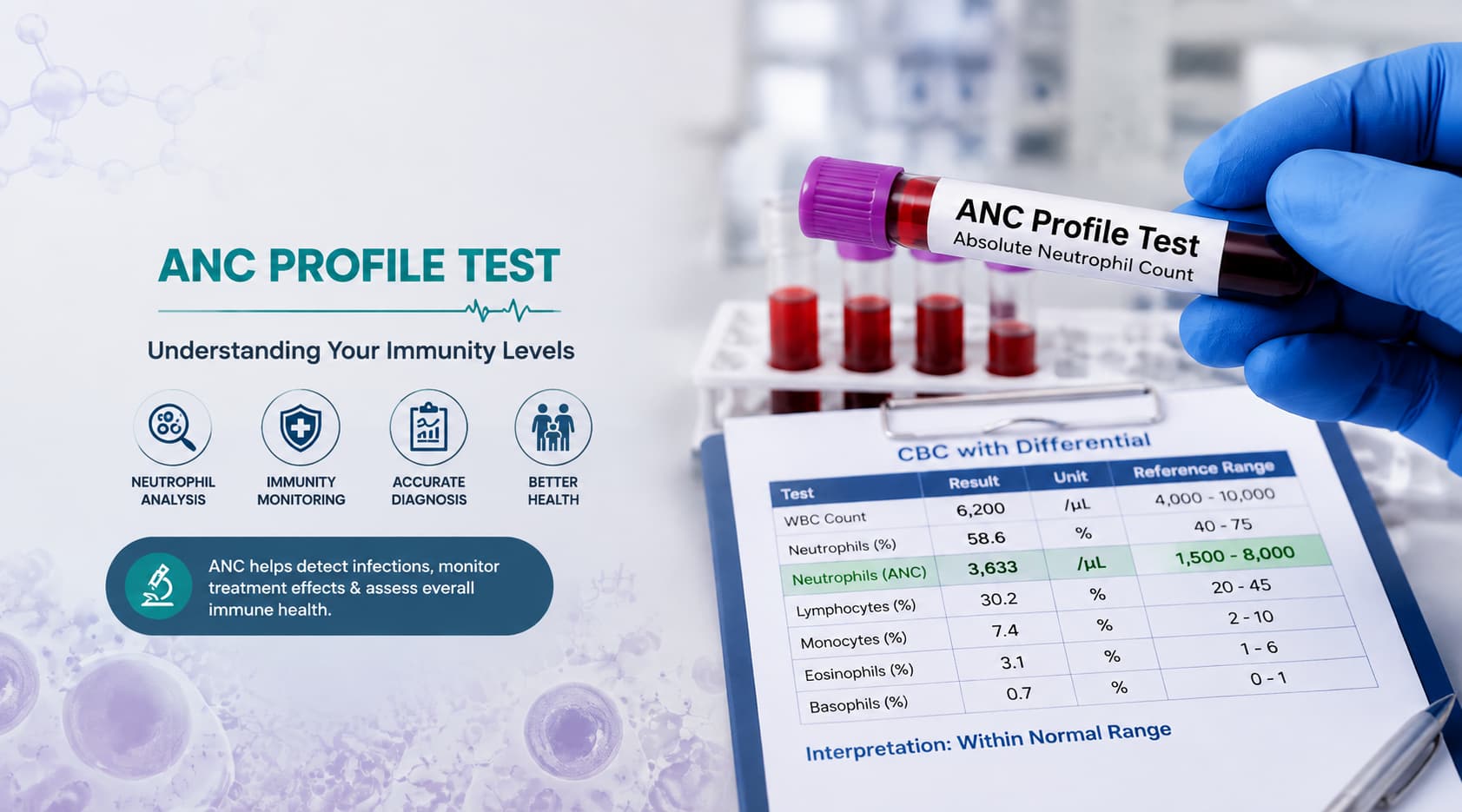
This is one of the most frequently ordered hematology tests, providing information about red blood cells, white blood cells, hemoglobin, hematocrit, and platelets. It's used to detect conditions like anaemia, infection, and many other disorders.
3. Prothrombin Time (PT) and International Normalised Ratio (INR)
These tests assess the blood's clotting ability by measuring how long it takes for a clot to form. They're particularly useful for patients on anticoagulant medication.
4. Activated Partial Thromboplastin Time (aPTT)
Similar to the PT test, the aPTT test measures the efficiency of certain clotting factors and the blood's overall ability to clot properly.
5. Erythrocyte Sedimentation Rate (ESR)
This test measures how quickly red blood cells settle at the bottom of a test tube, which can indicate the presence of inflammation in the body.
6. Ferritin
Ferritin testing measures the level of ferritin in the blood, providing indirect information about the amount of iron stored in the body, which is helpful in diagnosing anaemia or iron overload.
7. Hemoglobin A1C (HbA1c)
Often used in the management of diabetes, this test measures the average blood sugar levels over the past 2 to 3 months.
8. Blood Smear
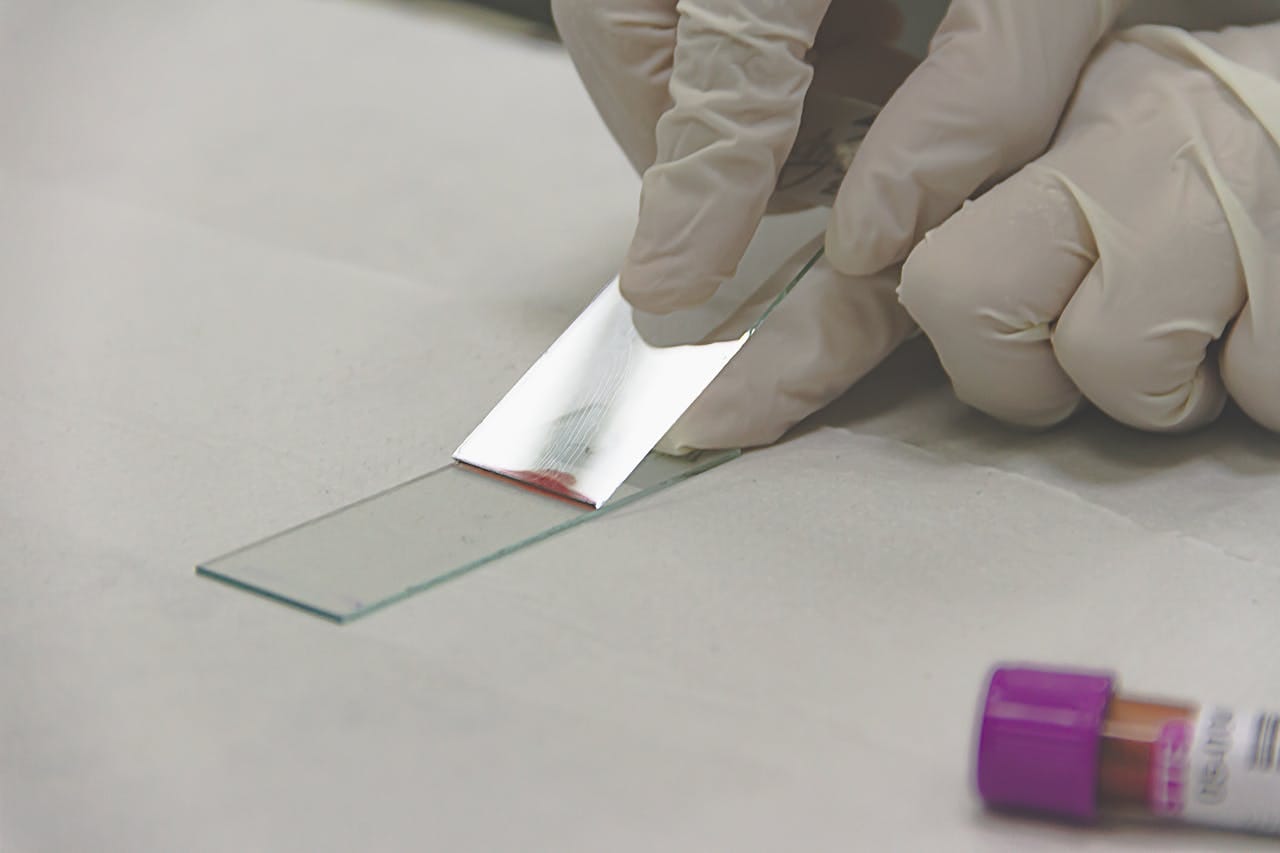
In this test, blood is spread on a slide and examined under a microscope to look at the shape, size, and general appearance of blood cells, aiding in the diagnosis of various blood disorders.
9. Coagulation Factor Tests
Coagulation tests measure the function of specific proteins in the blood that play a role in blood clotting, helpful in diagnosing bleeding disorders like haemophilia.
10. D-Dimer
Used to detect fragments of protein involved in blood clotting, the D-Dimer test can help diagnose thrombosis and other clotting disorders.
What Is the Hematology Test Procedure?
The procedure for conducting hematology tests typically begins with the collection of a blood sample, usually drawn from a vein in the arm using a needle - a process known as venipuncture. The procedure includes the following steps:
- Preparation: Patients may be advised to fast or avoid certain medications before the test, depending on the specific analysis required.
- Collection: A healthcare professional cleans the puncture site with an antiseptic, applies a tourniquet to make the veins more prominent, and draws the necessary amount of blood.
- Processing: The collected blood sample is then labeled and sent to a laboratory, where it’s processed to separate blood cells from plasma if necessary.
- Analysis: Specialized machines and techniques are used to measure the different components of the blood. For example, a complete blood count (CBC) is performed using an automated machine that counts the number of various types of cells and measures hemoglobin and hematocrit levels.
- Reporting: Results are compiled into a report that outlines the findings compared to standard reference ranges. This report is then sent back to the requesting healthcare provider for interpretation.
What Is the Hematology Test Normal Range?
The normal range for hematology tests can vary depending on the specific test, as well as factors such as age, gender, and the laboratory methods used. Below are some general normal ranges for standard hematology tests, but it's crucial to consult with healthcare providers for interpretation tailored to individual health conditions and contexts:
1. Complete Blood Count (CBC)
Red Blood Cells (RBC):
Men: 4.7 to 6.1 million cells/mcL
Women: 4.2 to 5.4 million cells/mcL
White Blood Cells (WBC): 4,500 to 11,000 cells/mcL
Platelets: 150,000 to 450,000 platelets/mcL
Hemoglobin:
Men: 13.8 to 17.2 grams/dL
Women: 12.1 to 15.1 grams/dL
Hematocrit:
Men: 40.7% to 50.3%
Women: 36.1% to 44.3%
2. Prothrombin Time (PT) and International Normalised Ratio (INR)
- PT: 10 to 14 seconds (varies by laboratory)
- INR: 0.8 to 1.1 for people not on anticoagulant medication
3. Activated Partial Thromboplastin Time (aPTT)
- 30 to 40 seconds
4. Erythrocyte Sedimentation Rate (ESR)
- Men: 0-15 mm/hr
- Women: 0-20 mm/hr
5. Ferritin
- Men: 24-336 ng/mL
- Women: 11-307 ng/mL
6. Haemoglobin A1C (HbA1c)
- Less than 5.7% for adults (indicative of no diabetes)
7. D-Dimer
- Typically less than 0.5 mcg/mL D-Dimer units. High levels may indicate clotting disorders.
What Is Hematology Test Price?
The cost of hematology tests can vary widely depending on several factors, including the type of test, the healthcare facility or laboratory where the test is conducted, geographic location, and whether the patient has health insurance coverage. Additionally, whether the test is performed as part of a comprehensive panel or as a standalone test can affect the price.
1. Complete Blood Count (CBC)
As one of the most common hematology tests, The cost of a CBC test in India varies, with prices ranging from ₹120 to ₹350 in different cities. For example, the cost is ₹120 in Delhi and ₹155 in Hyderabad.
2. Prothrombin Time (PT) and International Normalised Ratio (INR)
These tests can range from ₹210 to ₹390 when paid out-of-pocket, with variations based on the specific city and diagnostic centre.
3. Activated Partial Thromboplastin Time (aPTT)
Similar to the PT test, the aPTT test may cost between ₹180 to ₹600 without insurance.
4. Erythrocyte Sedimentation Rate (ESR)
The price for an ESR test can range from ₹48 to ₹220 for individuals without insurance coverage.
5. Hemoglobin A1C (HbA1c)
This test, often used in diabetes management, can cost between ₹300 to ₹800 without insurance.
6. Ferritin and D-Dimer Tests
These tests can vary widely in price. Ferritin tests in India range from ₹399 to ₹990, while the average cost of D-Dimer tests falls within the range of ₹1,100 to ₹1,650 depending on the specific location and diagnostic centre.
Patients must check with their health insurance provider to understand what is covered under their plan and to inquire about any copayments or deductibles that might apply. For those without insurance or with high deductible plans, some laboratories and healthcare facilities offer financial assistance programs or payment plans to help manage the costs of testing.
Patients are also encouraged to inquire about the cost of tests upfront and to compare prices between different providers, as there can be significant variations in cost even within the same geographic area. However, the accuracy of the test and the reputation of the laboratory or facility should also be considered when choosing where to undergo hematology testing.
Conclusion
Hematology tests are indispensable tools in the field of medicine, providing crucial insights into the functioning and health of the blood—a vital component of the human body. These tests cover a wide range of evaluations, from counting blood cells to assessing the blood's ability to clot and play a critical role in diagnosing, monitoring, and managing numerous conditions. Understanding the purpose, procedure, normal ranges, and costs associated with hematology tests can empower patients to steer their healthcare more effectively and engage in informed discussions with their healthcare providers.
The cost of hematology tests varies widely based on several factors, including the type of test, location, and insurance coverage. Patients are encouraged to explore financial options and discuss with healthcare providers the most appropriate tests for their specific health needs, ensuring both cost-effectiveness and quality care.
Get Started at ₹1!
Try Flabs for a full month for just ₹1.
Follow us on