Accurate reporting is imperative when interpreting blood culture test results. That is why, clinical laboratories adhere to established standards when presenting findings in an official document called a blood culture report. It is a certified report issued on the lab's letterhead, ensuring authenticity and consistency in conveying test outcomes. Reading and interpreting a blood culture test report can seem overwhelming, but it holds vital information about potential bloodstream infections, identified pathogens, and antibiotic susceptibility.
Interpreting what each section means—from patient details to clinical correlation—helps you and your healthcare provider make informed decisions. Let’s walk through the key components of blood culture reports.
What is a Blood Culture Test?
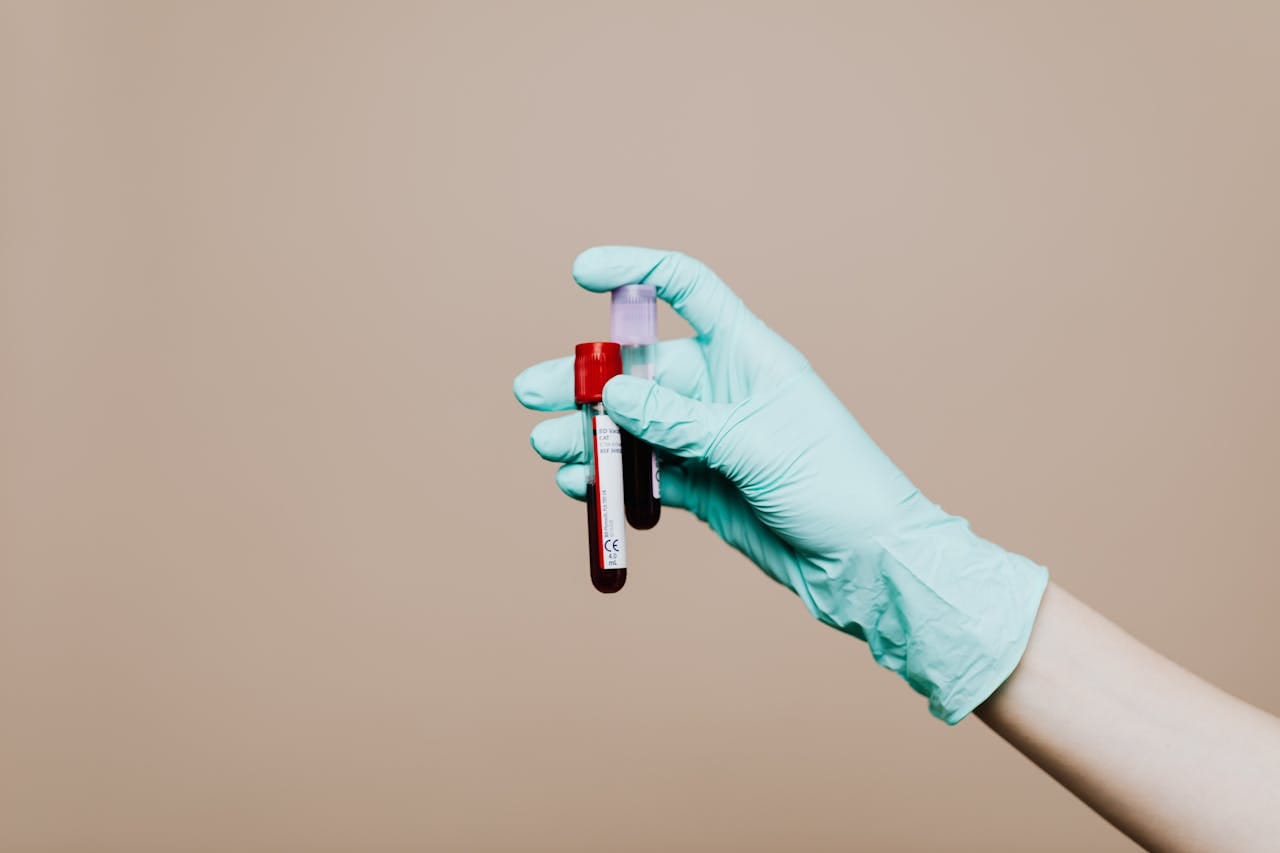
A blood culture test checks for bacteria, fungi, or other pathogens in the bloodstream. The test detects systemic infections that can lead to serious conditions like sepsis. The test involves drawing blood and placing it in special bottles (aerobic and anaerobic) to promote microbial growth if present.
Structure of a Blood Culture Report
A blood culture test report sample is a document detailing the outcomes of the blood culture test performed on a patient. It is prepared following the rules of various local and global regulatory bodies dedicated to Medical lab standards. A blood culture normal report generally contains information organised into the following sections.
- Patient Information and Sample Details
- Culture Medium Used
- Gram Stain Results
- Microorganism Identification
- Antibiotic Susceptibility Testing (AST)
- Growth Patterns
- Contamination Assessment
- Additional Test Recommendations
- Clinical Correlation
- Report Summary or Conclusion
However, the blood culture report format can show slight variation from one lab to another, including more sections or excluding one of the above sections.
Decoding the Blood Culture and Sensitivity Report
Patient Information and Sample Details
A blood culture report starts with an identification section, containing the patient’s name, ID number, age, gender, date, and time of sample collection. It also mentions the collection site and the number of samples taken.
Culture Medium Used
A blood culture report specifies the type of culture bottles or media used here, such as aerobic, anaerobic, or fungal. The medium type helps determine which microorganisms can be detected.
- Aerobic Culture: Detects bacteria that need oxygen to grow. Common pathogens include Staphylococcus aureus and Escherichia coli.
- Anaerobic Culture: Identifies bacteria that thrive without oxygen, such as Clostridium species.
-** Fungal Culture**: Specific media may be used to detect fungi like Candida or Aspergillus. - Mycobacterial Culture: To detect slow-growing bacteria, such as those causing tuberculosis.
Gram Stain Results
This part of the blood culture report provides initial information on the presence of bacteria or fungi and their classification as Gram-positive or Gram-negative. It is an early indication of the type of infection.
- Gram-Positive Bacteria: Retain the purple stain and include organisms like Staphylococcus and Streptococcus.
- Gram-Negative Bacteria: Appear pink under the microscope and include E. coli and Pseudomonas aeruginosa.
- Morphology: Describes the shape of bacteria (e.g., cocci, bacilli) and their arrangement (e.g., clusters, chains).
Microorganism Identification
A list of the specific bacteria, fungi, or other pathogens detected is mentioned in the blood culture report format. Identification includes the genus and species (e.g., Staphylococcus aureus), which guides further treatment decisions.
- Genus and Species: For example, Staphylococcus aureus or Escherichia coli. This helps in understanding the infection source and severity.
- Colony Count: Indicates the concentration of the microorganism in blood culture normal reports. Higher counts suggest a more significant infection.
- Contaminant vs. Pathogen: Common skin bacteria like Staphylococcus epidermidis may appear due to contamination, but repeated positives across samples suggest a true infection.
Antibiotic Susceptibility Testing (AST)
Shows which antibiotics the detected microorganisms are sensitive or resistant to. This section in a blood culture report guides the healthcare provider in choosing the most effective antibiotic therapy.
- Sensitive (S): The pathogen can be effectively treated with an antibiotic.
- Intermediate (I): The antibiotic may work at higher doses or in specific circumstances.
- Resistant (R): The pathogen is resistant to the antibiotic, indicating the need for alternative treatments.
- Minimum Inhibitory Concentration (MIC): The lowest concentration of an antibiotic that prevents visible growth of the pathogen is MIC. Lower MIC values suggest more effective antibiotics.
Growth Patterns
Describes the growth observed in the culture bottles over time, such as rapid or delayed growth. It refers to the severity or type of infection in a blood culture report.
Contamination Assessment
Contamination assessment in a blood culture report reveals whether the detected organism is a likely pathogen or a contaminant, based on factors like the type of bacteria and the number of positive bottles.
- Consistent Results Across Samples: If the same pathogen appears in multiple samples, it can be a true infection.
Single Positive Sample: If only one of several samples is positive and the organism is a known skin contaminant, it may not indicate a bloodstream infection.
Additional Test Recommendations
A section in blood culture reports to suggest further testing, such as molecular diagnostics or additional cultures. It is especially required for persistent or unusual infections.
Clinical Correlation
A summary relating the test results to the patient’s clinical condition is included. A blood culture test report may also include advice on interpreting the findings in conjunction with other diagnostic results.
Report Summary or Conclusion
Summarises the overall findings of the blood culture report, indicating if the result is positive or negative. It emphasises key points, such as the need for follow-up or urgent treatment, ensuring clarity for healthcare providers.
- Positive or Negative Result: Indicates if any pathogens were detected.
- Organism Identified and Antibiotic Recommendations: A quick reference for the treating physician to guide therapy.
Terminology
A glossary section may also be included in a blood culture test report to explain technical terms to all the stakeholders. For example, certain terms like Pathogen, False Positive/Negative, Co-Morbidities, etc. It is to make the report more accessible and transferable.
Steps After Receiving Your Report
After receiving your blood culture test report, review it with your healthcare provider to analyse the results. Discuss any identified pathogens, antibiotic susceptibility, and recommended treatments. If further tests are suggested, follow through promptly. Ensure any prescribed antibiotics are taken as directed. Schedule follow-up appointments to monitor progress and adjust treatment as necessary.
Conclusion
Reading blood culture reports is just one part of managing infections. It's also vital to be aware that the effectiveness of treatments can vary based on the patient’s response, underlying conditions, and any other medications they might be taking. Regular follow-ups with your healthcare provider ensure that treatment plans are adapted as necessary, promoting better health outcomes.
Get Started at ₹1!
Try Flabs for a full month for just ₹1.
Follow us on