Microbiology tests are a division of pathology with a central role in diagnostic procedures. A microbiology test deals with identifying disease-causing pathogens through various techniques like microscopy, staining, culturing, molecular testing like PCR, etc. The effectiveness of the tests is unmatched. Probably, these are the most definitive tests in terms of procedures for pathologists.
The importance of microbiological tests can be implied from the fact that pathogenic diseases are turning into multi-drug resistant (MDR) infections. Increasing antimicrobial sensitivity is a global concern. The need for quality and rapid microbiology lab tests are also increasing.
What is a Microbiology Test
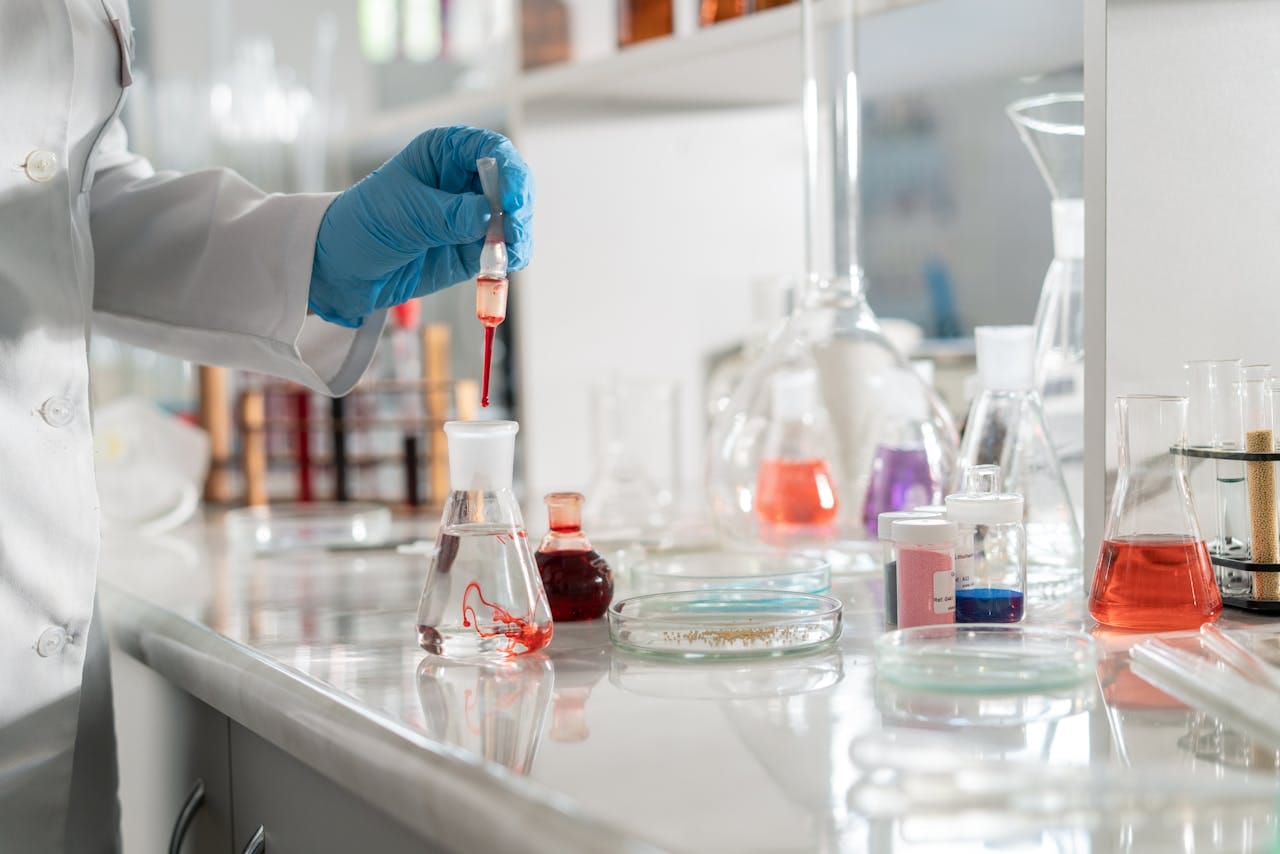
Microbiology test refers to a diagnostic procedure to trace the cause and type of a microorganism that may be causing a health condition. Microbiology lab tests determine the type of a pathogen viz., bacteria, fungi, protozoa or some algae. While microbiology tests have a broad range of application, clinical tests are often aimed at diagnosis and treatment of human health conditions.
The testing process involves collecting a sample from the patient, such as blood, urine, tissue, swabs or other bodily fluids. The sample is analysed using various techniques to determine the cause of an infection or discomfort. They’re commonly used to investigate respiratory infections, gastrointestinal diseases, skin infections, and systemic illnesses.
While these tests have a broad relevance in medical field, microbiological tests are also used in pharmaceutical manufacturing, food & beverage, and cosmetic industries for product safety.
Types of Microbiology Tests
| Test Type | Purpose | Techniques |
|---|---|---|
| Culture Tests | To grow and identify microorganisms. | Agar plates, broth cultures. |
| Gram Staining | To classify bacteria as Gram-positive or Gram-negative. | Microscopy with Gram stain dyes. |
| Molecular Tests (PCR) | To detect microbial DNA or RNA. | Polymerase Chain Reaction (PCR). |
| Antimicrobial Sensitivity | To determine the susceptibility of microorganisms to antibiotics. | Disk diffusion, broth microdilution. |
| Serological Tests | To detect antibodies or antigens in the blood. | ELISA, immunoassays. |
| Microscopy | To visually examine microorganisms directly. | Light, electron, or fluorescent microscopy. |
| Rapid Diagnostic Tests | To provide quick identification of specific pathogens. | Lateral flow assays, dipstick tests. |
| Biochemical Tests | To analyse the metabolic properties of microbes. | Catalase, oxidase, and coagulase tests. |
| Immunofluorescence | To detect specific pathogens using fluorescent-labelled antibodies. | Fluorescent microscopy. |
| Mycological Tests | To identify and analyse fungal infections. | Culture, microscopy, KOH prep. |
| Parasitology Tests | To detect and identify parasitic infections. | Microscopy, antigen detection. |
Culture Tests
Culture tests are the gold standard for identifying bacteria, fungi, and some viruses. They involve placing a sample (blood, urine, or tissue) in a growth medium and encouraging microbial growth. It is incubated under specific conditions for 24 to 72 hours. The type of medium and growth environment depends on the suspected pathogen. Each microbiology test is used to diagnose infections like sepsis, urinary tract infections, or wound infections. You can obtain detailed information, including the organism’s identity and its antibiotic sensitivity.
Gram Staining
Gram staining is a quick and widely used microbiology test to classify bacteria as Gram-positive or Gram-negative. The procedure is intuitive: the collected sample is stained with crystal violet and safranin dyes. A microscopic examination is conducted to study cell wall structures. It helps with the initial identification of bacterial infections. However, a combination with other tests narrows down final treatment options. Staining microbiology lab tests are used for respiratory infections, wound infections, and abscess evaluations.
Molecular Tests (PCR)
Polymerase Chain Reaction (PCR) tests detect microbial DNA or RNA with high sensitivity and specificity. The test amplifies nucleic acids in patient samples. Molecular microbiological analysis is widely used to diagnose viral infections like COVID-19, HIV, and influenza. PCR is also effective in detecting hard-to-culture bacteria or drug-resistant genes. These microbiology tests provide precise results, often within hours.
Antimicrobial Sensitivity
Antimicrobial sensitivity refers to the susceptibility of microorganisms to specific antibiotics. It helps guide effective treatment. Samples are cultured just like in staining procedures. The isolated organism is exposed to antibiotics to observe its growth inhibition. Disk diffusion and broth microdilution are some of the common methods. When a patient has infections with unclear resistance profiles (urinary tract or bloodstream infections), these microbiology tests are used. Physicians will use the results to determine a targeted therapy, e.g., the type of drug.
Serological Tests
Serological tests detect antibodies or antigens in blood for diagnostic purposes. ELISA for Hepatitis and immunoassays are the best examples. In a serological microbiology test, a blood sample is collected and analysed for specific immune markers. Serological tests are essential for detecting past or current infections. They are used to monitor vaccine efficacy. These tests provide indirect evidence of infections, as supplemental microbiological lab tests.
Microscopy
Microscopy is probably a familiar procedure. It involves direct visualisation of microorganisms. Samples are prepared with specific stains or reagents to enhance visibility. These tests can identify parasites, fungi, or bacterial morphology. From light microscopy to fluorescence microscopy for specific pathogens, microscopy provides immediate information about the type and quantity of microbes. Mostly, microscopy is a preliminary diagnostic tool requiring the help of other microbiological tests.
Rapid Diagnostic Tests
Rapid diagnostic tests (RDTs) offer quick pathogen detection, often within minutes to hours. They are commonly used for infections like malaria, influenza, and streptococcal pharyngitis. These tests utilise lateral flow assays, dipsticks, or immunochromatography techniques. Indications include settings requiring immediate results, such as emergency departments or field testing. RDTs require minimal equipment and expertise, making them ideal for resource-limited areas. While less sensitive than laboratory-based methods, they provide actionable insights for initial diagnosis and treatment.
Biochemical Tests
Biochemical tests analyse the metabolic characteristics of microorganisms to identify specific species. Examples include CAMP, catalase, oxidase, and coagulase tests. These are often performed on cultured bacteria. Indications include differentiating closely related bacterial species, such as Staphylococcus and Streptococcus. The procedure involves exposing the microorganism to specific reagents and observing the metabolic reaction. Biochemical tests are crucial for pathogen identification in clinical microbiology labs, complementing culture and molecular techniques.
Immunofluorescence
Immunofluorescence detects pathogens or antigens using fluorescent-labelled antibodies. The sample is treated with antibodies that bind to specific microbial antigens. When exposed to ultraviolet light, the bound antibodies fluoresce. A typical microbiology test is used to trace certain respiratory viruses, bacteria, and protozoa. Immunofluorescence is a highly sensitive and specific technique.
Mycological Tests
Mycological tests focus on detecting fungal infections. They use cultures, microscopy, and molecular assays. Samples include skin scrapings, sputum, or tissue biopsies. You can diagnose skin infections, systemic mycoses, or nail fungal conditions. Mycological tests are critical for detecting slow-growing fungi that may not respond to empirical therapy without proper diagnosis.
Parasitology Tests
Parasitology tests detect parasitic infections, e.g., malaria, giardiasis, or helminth infections. These microbiology tests include microscopy, antigen detection, and serology. Samples are analysed for the presence of parasites or their eggs. Microscopy remains the primary microbiology test, especially for malaria and intestinal parasites. Antigen-based tests provide rapid results for specific infections. Parasitology tests are vital in endemic regions or when patients present with unexplained symptoms.
Conclusion
While the focus here was on diagnostic microbiology, it’s worth noting that preventive microbiology plays a growing role in public health. Surveillance programs, routine screenings, and sanitation monitoring use similar tools to detect early outbreaks or contamination in food, water, and hospital settings. These proactive approaches reduce disease transmission and improve patient safety. As laboratories adopt newer technologies like automation and AI for result interpretation, the field continues to advance, bridging the gap between early detection and clinical action.
Related - Top 10 Microbiology Testing Laboratories in India
Get Started at ₹1!
Try Flabs for a full month for just ₹1.
Follow us on