Picture Archiving and Communication Systems (PACS) and Radiology Information Systems (RIS) have a great role to play in radiology. While both systems are integral to modern healthcare facilities, they serve distinct purposes and offer unique functionalities. The discussion of RIS vs. PACS is essential for healthcare professionals, administrators, and anyone involved in the management or utilisation of these systems.
Whether you're a healthcare professional looking for knowledge, an administrator who implements these systems, or simply someone curious about the technology driving modern healthcare, this discussion of RIS vs PACS will provide valuable insights. Stay on the page.
RIS Full Form
RIS's full form is Radiology Information System. It is akin to LIS (Laboratory Information Software) but confined to serving the Radiology department in medical facilities. An RIS system handles administrative and clinical data in radiology departments. Healthcare providers have an integrated database and workflow management tool with radiology information system software at their disposal.
They can streamline radiology operations by automating appointment scheduling, patient tracking, registration, and technologist workflow management and enable efficient radiology reporting and results distribution with radiology information systems.
PACS Full Form
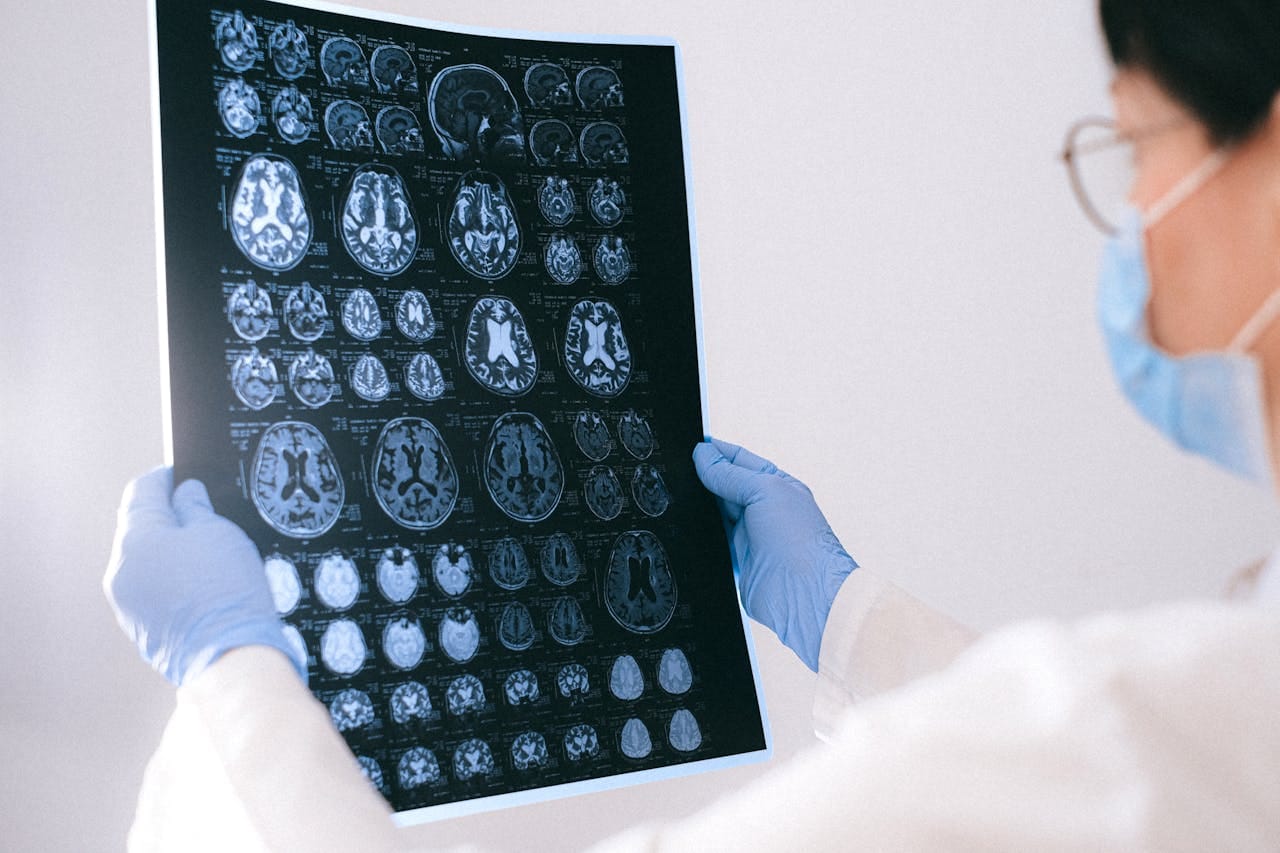
PACS in radiology refers to Picture Archiving and Communication Systems. It handles the storage, processing, and retrieval of radiology imaging files. In RIS vs PACS, RIS is the administrative software, while PACS handles the image handling in radiology departments.
While RIS handles a simple database, PACS handles much more complicated data, hence unique in its functionality. PACS must also facilitate integration with other healthcare software, including RIS radiology.
While both have distinct functionalities, RIS and PACS must work together to handle radiology department operations.
RIS vs. PACS: The Differences
| Aspect | RIS | PACS |
|---|---|---|
| Operational Focus | Administrative tasks like scheduling, patient registration, and reporting. | Image management, storage, retrieval, and sharing. |
| User Interaction | Administrative staff, technologists, referring physicians. | Radiologists, surgeons. |
| Data Types | Alphanumeric data (patient demographics, appointment details, billing, reports). | Digital medical images (DICOM format). |
| Integration Capabilities | Integrates with Hospital Information Systems (HIS) for administrative tasks. | Integrates with RIS for unified workflow, EHR for patient data sharing, and dictation systems for reporting. |
| Security | Ensures compliance with patient data privacy regulations. | Provides secure access controls and encryption for sensitive medical images. |
| Workflow Efficiency | Streamlines administrative processes and improves scheduling efficiency. | Optimises image management workflows and facilitates rapid image retrieval. |
| Quality Control | Facilitates standardised reporting and ensures accuracy in patient records. | Supports quality assurance measures through image quality control and consistency checks. |
| Scalability | Adapts to the evolving needs of healthcare organisations and accommodates growth. | Scales to handle increasing volumes of medical images and supports multi-site deployments. |
| Accessibility | Provides role-based access to patient data and administrative functions. | Enables remote access to medical images and diagnostic tools for healthcare professionals. |
| Interoperability | Interfaces with external systems for seamless data exchange and interoperability. | Supports interoperability with medical devices and healthcare information systems for integrated care delivery. |
| Reporting Capabilities | Generates comprehensive reports for administrative and clinical purposes. | Facilitates the creation of structured diagnostic reports with annotated images. |
| Maintenance | Requires regular updates and maintenance to ensure system functionality and security. | Requires ongoing monitoring and maintenance to optimise performance and ensure data integrity. |
The Mutual Dependence of RIS and PACS
Both RIS and PACS have distinct roles in healthcare systems, but their synergy makes the whole scenario more productive. Integrating PACS with RIS systems enables streamlined workflow and optimal pati
RIS vs PACS: Collaboration in Radiology Departments
The radiology department involves both administrative and imaging excellence. While RIS handles the former need, PACS takes the responsibility of medical image handling, ensuring that the correct image is available at the right time.
Rapid access to patient details from RIS and medical images from PACS reduces wait times and potential errors.
The sync achieved with integration establishes harmony between administrative and imaging data processing, ensuring speedy diagnosis and treatments.
Integrating PACS with RIS
The seamless integration of these two systems minimises data redundancy and streamlines processes, leading to increased efficiency within the radiology department. Moreover, having a unified system reduces the chances of miscommunication or data lapses, ensuring patients receive timely and accurate care.
Integration of PACS and RIS also leads to cost savings by reducing the need for multiple interfaces, thereby lowering operational costs.
What to Look for When Upgrading RIS and PACS
- Assess current workflow and major bottlenecks in the radiology department.
- Define clear objectives for integrating or upgrading RIS and PACS systems.
- Stay updated on the latest technological advancements in medical imaging technology.
- Seek expert opinions and attend industry events to understand new RIS/PACS features.
- Choose vendors like Flabs with a proven track record in RIS and PACS implementations. Ensure vendors provide comprehensive training and post-implementation support.
- Opt for vendors offering customizable solutions tailored to your facility's needs.
- Confirm RIS vs PACS system compatibility with existing infrastructure like EHRs or HIS.
- If upgrading, ensure a smooth data migration process with minimal disruptions.
The Future of PACS and RIS
As we look towards the future of medical imaging, RIS (Radiology Information System) and PACS (Picture Archiving and Communication System) are set to undergo significant transformation thanks to the emerging tech. Artificial intelligence (AI) and machine learning (ML) are already redefining these systems, introducing AI-powered diagnostic assistance, streamlined workflows, and predictive analytics as standard features.
Healthcare facilities will benefit from cloud-based RIS and PACS solutions, which offer increased flexibility, scalability, and remote access capabilities.
The fusion of technological advancements with RIS and PACS will foster interdisciplinary collaboration, paving the way for cooperation between radiologists, surgeons, and other healthcare professionals. We will see an interconnected global health ecosystem where patient data and medical images are accessible across borders, empowering global health initiatives.
Healthcare facilities worldwide are looking for sustainable practices in the midst of digital growth. Eco-friendly data centres and sustainable practices in the functioning of RIS and PACS are taking shape rapidly.
Conclusion
While RIS and PACS serve distinct purposes in healthcare, their seamless integration is crucial for optimising radiology workflows and patient care. As technology advances, the perspective around RIS vs PACS will continue to evolve, reshaping the future of medical imaging with enhanced efficiency, collaboration, and sustainability at its core. It ultimately paves the way for a healthier world.
Get Started at ₹1!
Try Flabs for a full month for just ₹1.
Follow us on