Ischemic heart disease (IHD) is one of the globally concerning health conditions. In 2020, an estimated 244.1 million people were living with ischemic heart globally.
What is it? Ischemic heart disease is also known as coronary heart disease. It can happen if there is any gap between oxygen supply and demand in the heart. However, there is a lot more nuance to the diagnosis, treatment and management of IHD. Let’s explore the pathology of ischemic heart disease. Every aspect of the pathophysiology of IHD is important for diagnostic professionals.
IHD Full Form and Causes
IHD’s full form in medical diagnosis is ischaemic Heart Disease. It is primarily caused by reduced blood flow in coronary arteries due to atherosclerosis. The narrowing or blockage of these arteries limits oxygen delivery to the heart muscle, affecting cardiac function.
Causes of IHD
Atherosclerosis: The most common cause of plaque buildup in the arteries.
- Coronary Artery Spasms: Temporary tightening of artery walls, reducing blood flow.
- Thrombosis: Blood clots that obstruct coronary arteries.
- Endothelial Dysfunction: Impaired blood vessel function, leading to vasoconstriction.
Four Stages of Ischemic Heart Disease
IHD progresses through four key stages, each with distinct characteristics:
1. Asymptomatic Ischemia: It is also known as silent ischemia and shows no symptoms. It is standard in early atherosclerosis or minimal blockages (<70%).
2. Stable Angina: It is a stage where any exertion can lead to chest pain but resolves with rest or nitroglycerin. It is caused by critical stenosis.
3. Unstable Angina: You will experience pain even at rest or with minimal exertion. Often a result of plaque disruption and partial thrombosis.
4. Myocardial Infarction (MI): It is commonly referred to as a silent heart attack. It involves a complete blockage that leads to severe ischemia and myocardial necrosis.
Symptoms of Ischemic Heart Disease
Ischemic heart disease symptoms across its stages. Early stages may remain silent, while advanced stages can show:
- Chest pain (angina) is often described as squeezing or crushing.
- Pain radiating to the jaw, arms, or upper back.
- Shortness of breath.
- Nausea, vomiting, or indigestion.
- Dizziness or lightheadedness.
- Sweating and fatigue.
In silent heart attacks, symptoms may be mild or absent. Hence, the diagnosis can be challenging.
Types of Ischemic Heart Disease
IHD encompasses several clinical syndromes:
1. Stable Angina: Predictable chest pain during stress or exertion.
2. Unstable Angina: A precursor to heart attacks, marked by worsening chest pain.
3. Acute Myocardial Infarction (MI): Sudden and severe ischemia causing heart muscle death.
4. Chronic IHD with Heart Failure: Gradual weakening of heart function due to persistent ischemia or prior infarctions.
Pathogenesis: How Ischemic Heart Disease Develops
The pathogenesis of ischemic heart disease (IHD) involves progressive damage caused by a combination of plaque buildup, inflammation, and thrombosis. The process begins with plaque formation, where atherosclerosis develops as cholesterol and fatty deposits accumulate in the walls of the arteries. The arteries start narrowing. Over time, plaque disruption may occur. Plaques will rupture and trigger the formation of blood clots.
When artery narrowing exceeds 70%, it results in critical stenosis. Symptoms like angina start showing. A full blockage occurs in cases of complete occlusion, causing a myocardial infarction. Vasoconstriction and ongoing inflammation exacerbate these processes. Arterial damage hastens and contributes to the progression of IHD.
Ischemia Treatment: Managing IHD
Treating ischemic heart disease focuses on improving blood flow, managing symptoms, and preventing complications.
Medications
- Vasodilators: E.g., nitroglycerin to relieve angina.
- Antiplatelet Drugs: Prevent clot formation (e.g., aspirin).
- Statins: Lower cholesterol levels and slow plaque progression.
Interventions
- Angioplasty and Stenting: Opens narrowed arteries.
- Coronary Artery Bypass Surgery: Reroutes blood around blockages.
Emergency Treatment for MI
- Administer clot-dissolving drugs like streptokinase.
- Perform emergency angioplasty to restore blood flow.
Lifestyle Modifications
- Quit smoking to improve vascular health.
- Maintain a healthy weight and incorportate a balanced diet .
- Exercise regularly to enhance heart function.
Emerging Paradigms in IHD Pathophysiology
Recent studies highlight the role of microcirculation and systemic inflammation:
- Microvascular Angina (MVA): It is often diagnosed as ischemia with non-obstructive coronary arteries (INOCA).
- Inflammation: Drives plaque vulnerability and contributes to acute coronary syndromes.
- Oxidative Stress: By promoting vascular stiffness and atherosclerosis, oxidative stress accelerates endothelial damage.
-** Ion Channel Dysregulation**: Impairs myocardial oxygen delivery and coronary flow regulation.
These findings call for a paradigm shift from focusing solely on large-artery disease to incorporating microvascular and inflammatory mechanisms in IHD management.
The Role of Pathologists in IHD Diagnosis
Pathology uses various techniques to gain insight into the causes and symptoms of IHD:
- Histopathology is used to Identify tissue damage and plaque characteristics.
- Biochemical Markers are used to measure troponins and creatine kinase to confirm myocardial infarction.
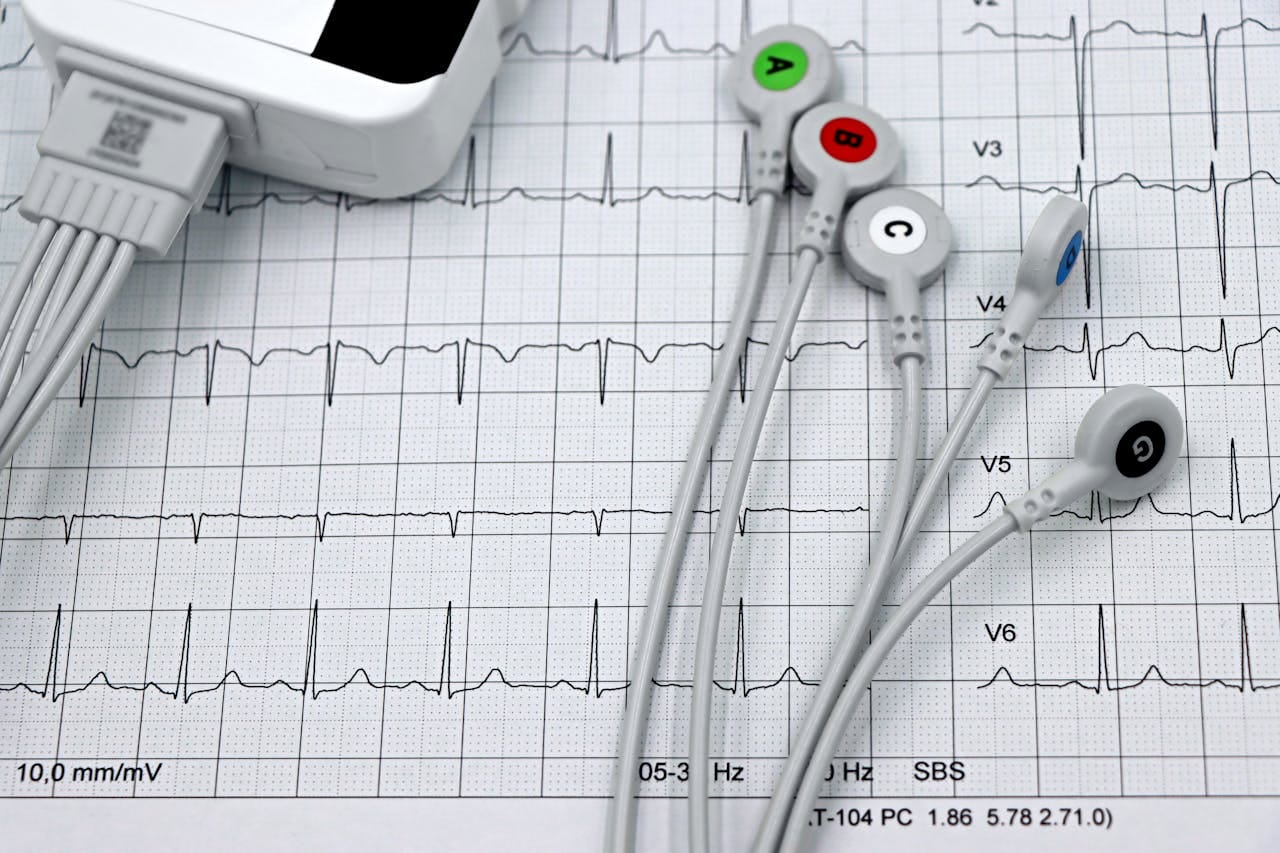
- There is an ECG Interpretation to detect ischemic changes like ST elevation or T-wave inversions.
Preventing Ischemic Heart Disease
Prevention focuses on managing risk factors and early intervention:
- Control hypertension and diabetes.
- Reduce LDL cholesterol through diet and medications.
- Avoid tobacco and excessive alcohol consumption.
- Regularly monitor heart health. Especially if you’re a high-risk individual.
- Maintain body fitness through regular exercise and activity.
Conclusion
Beyond the outlined points, the pathology of ischemic heart disease also emphasizes personalized medicine. Genetic factors significantly influence how IHD progresses. Variations in lipid metabolism or inflammatory markers affect its development. Pathologists can use these findings to tailor interventions more effectively.
Advanced imaging and molecular diagnostics can detector IHD at earlier stages. Their integration into routine care is useful. They pave the way for new approaches in managing ischemic heart disease.
Get Started at ₹1!
Try Flabs for a full month for just ₹1.
Follow us on