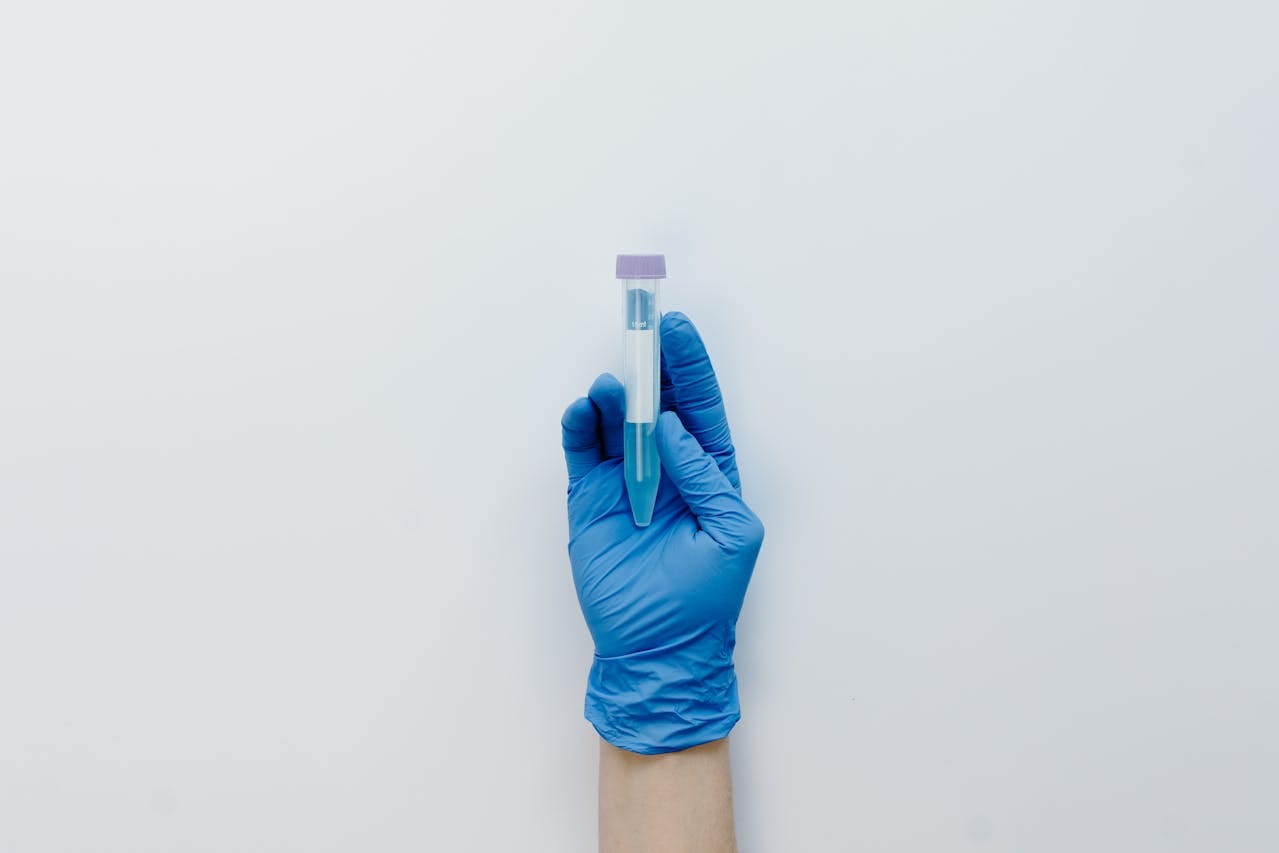
In any medical or research lab, accuracy and timeliness aren’t just metrics—they impact real lives. Every test tells a story, and for many, it begins with a blood sample. To get reliable results, knowing the subtle but important differences between serum and plasma is imperative. Serum vs plasma, each serves a different purpose, depending on the specific requirements of the test, helping clinicians and researchers find answers more precisely and confidently. Understanding these nuances ensures labs make the right choice between serum vs plasma for diagnostics, clinical studies, or research.
What is Serum
Serum is what’s left when blood clots and the clotted cells are removed. This clear, liquid part of blood holds essential proteins, hormones, and electrolytes—minus the cells and clotting factors. It’s often used in studies where clotting factors aren’t required or could interfere with results, making serum a stable, cell-free choice that offers a clean look at the body’s chemistry.
What is Plasma
Plasma, on the other hand, is a straw-coloured liquid that still holds clotting factors and cellular elements. By adding anticoagulants to the blood sample, labs can keep it from clotting, preserving all its natural components, including fibrinogen. Plasma is a go-to for studies on coagulation and tests that need clotting factors intact, giving researchers a full spectrum of active blood components.
Serum vs Plasma Differences
| Aspect | Plasma | Serum |
|---|---|---|
| Definition | Liquid part of blood with clotting factors | Plasma without clotting factors, obtained after clotting |
| Clotting Factors | It contains clotting factors like fibrinogen | Lacks clotting factors (fibrinogen removed) |
| Obtained By | Centrifuging whole blood with anticoagulants | Centrifuging clotted blood |
| Appearance | Clear, pale yellow | Clear, pale yellow (slightly less cloudy) |
| Main Use | Blood transfusions, coagulation studies | Biochemical tests, antibody studies |
| Components | Water, electrolytes, proteins, clotting factors | Water, electrolytes, proteins (no clotting factors) |
| Stability | Less stable; clotting can occur if not handled | More stable in storage |
| Volume in Blood | 55% of total blood volume | Derived from plasma, lesser volume |
| Protein Types | Albumin, globulins, fibrinogen | Albumin, globulins (no fibrinogen) |
| Common Tests | Coagulation, electrolyte, hormone levels | Antibody, enzyme, and metabolic tests |
| Testing Preference | Suitable for tests requiring clot-free samples | Ideal for testing whole blood clotting abilities |
Collecting Serum and Plasma
Blood samples are collected and separated through a process called centrifugation, which splits the blood into layers by density. The top layer becomes serum or plasma, depending on whether the sample was allowed to clot or not, while the middle layer (buffy coat) contains white blood cells and platelets, and the bottom layer holds red blood cells. Both serum and plasma are incredibly valuable for diagnostic, research, and clinical use.
Serum vs Plasma Collection Tubes
Each tube in a lab tells a story and has its purpose. Serum tubes allow blood to clot and separate by centrifugation. There are silica-based tubes, which activate clotting through silica particles—ideal for measuring proteins, lipids, and hormones. Then, thrombin-based tubes act faster and are often preferred in urgent settings, though they may be slightly less stable.
In contrast, plasma tubes contain anticoagulants to prevent clotting. EDTA tubes (purple) are used for haematology and genetic testing, while sodium citrate tubes (light blue) are preferred for coagulation studies. Heparin tubes (green) suit plasma-based tests but may interfere with PCR reactions. Other tubes, like sodium fluoride for glucose and SPS tubes for bacterial stability, support more specialised testing needs.
The Right Choice for Lab Tests
Knowing the right choice between serum vs plasma collection often depends on the demands of each test.
Research Objectives
Different analytes require different sample types. Serum is preferred for studying proteins, hormones, and nutrients, while plasma is better for tests involving clotting factors or blood cell analysis.
Resource Availability
When it comes to blood serum vs plasma collection, plasma collection requires specialised tubes, centrifugation, and storage conditions, while serum collection is simpler. Labs should consider their equipment, facilities, and budget to make the right choice.
Volume Requirements
Some tests need larger sample volumes. When selecting serum vs plasma, plasma offers a slightly higher yield since it includes clotting factors, while serum might provide less due to their absence.
Sample Stability
Time, temperature, and handling can affect sample stability. Plasma may hold certain analytes more stably than serum, but long-term studies need careful selection of sample type for consistent results.
Conclusion
While both serum and plasma are foundational to diagnostics and research, choosing between serum vs plasma impacts the accuracy of outcomes. Proper handling, storage, and choice of the right tube ensure reliable results. Partnering with lab experts to select appropriate tubes and techniques for serum or plasma enhances the consistency of results, helping labs deliver insights that make a real difference in patient care and health solutions.
Get Started at ₹1!
Try Flabs for a full month for just ₹1.
Follow us on