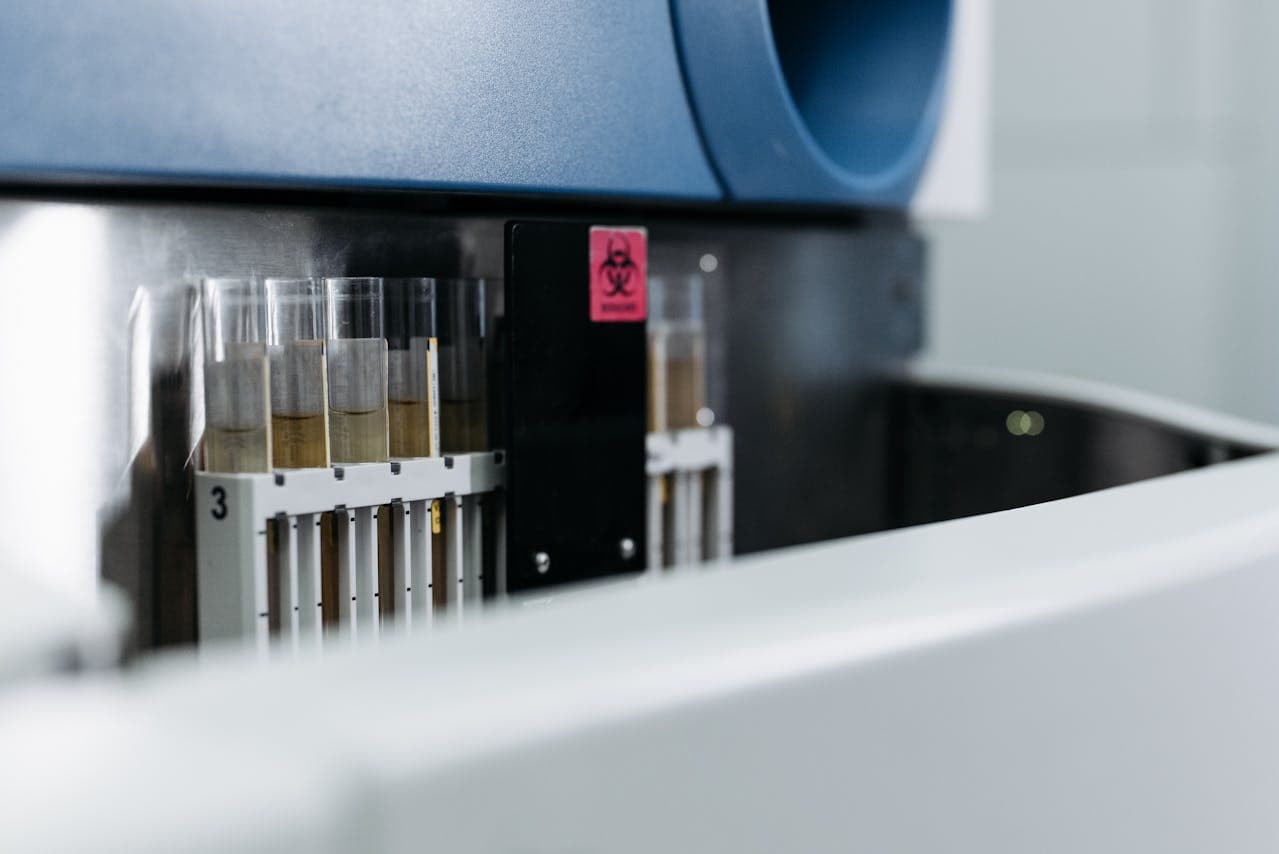
Blood culture bottles are essential for diagnosing bloodstream infections by supporting the growth of pathogens from blood samples. They are specially designed to detect bacteria, fungi, and other microorganisms, identifying infections like sepsis and endocarditis. With various types tailored to different patient needs, blood culture bottles guide effective diagnosis and treatment.
However, using the right bottle is imperative for proper diagnosis. In this article, we shall examine the major types of blood culture bottles, their functions, and methods of usage.
Types of Blood Culture Bottles
| Bottle Type | Cap Color | Usage | Blood Volume |
|---|---|---|---|
| Paediatric Aerobic | Yellow | Neonates and Infants (<3 Years) | 0.5–4 mL |
| Adult Aerobic | Green | Children and Adults | 5–10 mL |
| Anaerobic | Orange | Children and Adults | 5–10 mL |
| Mycoplasma Bottle | Silver | Women (RWH) | 3–5 mL |
| Mycobacterial Bottle | Red | All Groups | 1–5 mL |
Understanding Different Blood Culture Bottles
Blood culture bottles play a central role in blood culture tests by supporting the growth of pathogens in the blood. In that context, blood culture bottle composition is an important discussion.
But what is in blood culture bottles? Depending on the culture being tested and the patient's age group, these test tubes contain a specialised medium, anticoagulants, and additional components.
Sodium polyanethol sulfonate (SPS) is the anticoagulant used in blood culture bottles to prevent blood coagulation, which could interfere with the test. Beyond preventing coagulation, the anticoagulant also neutralises the natural action of microorganisms on blood, which is essential for observing growth.
Special nutrient broths are used to grow aerobic microorganisms, while anaerobic pathogens require a medium with reduced oxygen tension or cooked meat. The blood-to-medium ratio is typically 0.05. This composition must be strictly followed for the best results.
Blood volume is yet another determining factor when considering the use of a blood culture bottle. Each age group has separate criteria for the amount of blood sampling. A minimum volume is necessary to observe culture growth properly.
For example, a pediatric blood culture bottle requires 0.5–4 mL to avoid overwhelming the body. However, a blood culture bottle for adults requires up to 10 mL samples for accurate detection to counter the possible contamination effects.
Why are Blood Culture Tubes Important?
- Provide a sterilised and conducive place for culture growth.
- Detect bloodstream infections caused by bacteria, fungi, or other microorganisms.
- Help identify the causative pathogen for targeted antimicrobial therapy.
- Assist in diagnosing severe conditions like sepsis, endocarditis, and osteomyelitis.
- Allow differentiation between contaminants and true pathogens.
- Support epidemiological studies and antimicrobial resistance tracking.
- Enable isolation of fastidious or slow-growing organisms through specialised media.
How to Use Blood Culture Bottles
Sterile Blood Sampling
- Perform hand hygiene and use a sterile dressing pack, sterile gloves, and chlorhexidine to clean the skin.
- Blood should be collected from fresh venepuncture or peripheral cannulae and central lines.
- If line sepsis is suspected, take cultures from both the central line and peripherally.
Blood Placement
- Place the blood into both aerobic and anaerobic culture mediums.
- Remove the dust cap from the culture bottles, swab the tops with alcohol, and allow them to dry before injecting blood.
Blood Volume
- Ensure the tube is neither underfilled nor overfilled (e.g., 9 mL in adult tubes) for maximum yield.
- Fill blood culture tubes before other blood tubes.
Number of Cultures
- Collect at least two blood cultures from different sites before starting antibiotics.
- Three sets are 96% effective in detecting bacteraemia.
- More than four sets provide limited benefit unless endocarditis or previous antibiotic use is suspected.
- Do not delay antibiotics in critically ill septic patients while waiting for culture results.
Incubation and Culture
- Start by incubating bottles at room temperature to protect sensitive bacteria.
- If the bottle becomes cloudy, it may show bacterial growth.
- The bottles are placed in holders with a light; alarms sound if growth blocks the light.
- Transfer samples to agar plates to check for purity, identify bacteria and test for antibiotic resistance.
Contamination Assessment
- Suspect contamination if single, random cultures show Bacillus species, coagulase-negative staphylococci, or diphtheroids.
- Contamination is less likely if the organism grows in more than one bottle.
Challenges
- Difficulties in collecting blood from patients with poor veins.
- Risk of needle stick injuries during collection.
- Contamination from skin bacteria can lead to false positives and unnecessary antibiotics.
- Inadequate blood volume or wrong bottles may cause missed infections.
- Incorrect blood culture bottle composition can affect results.
- Delays in processing or transport may reduce pathogen detection.
- Early antibiotic use can stop microbes from growing, causing false negatives.
Automated Blood Culture Bottles
Significant advancements in blood culture bottles have emerged. They improve infection detection by speeding up results and increasing accuracy. An automated blood culture bottle reduces manual work, minimises bottle handling, and helps detect microbial growth faster.
Some examples include:
- NABS-100: Can hold 64 bottles and uses colour-based technology to detect pathogens.
- Labotronics System: Uses optical technology to detect growth and tracks bottles with double-barcode scanning.
- BACT/ALERT VIRTUO: Features motion-activated loading to streamline the process.
Conclusion
Although blood culture bottles play an essential role in diagnosing infections, good specimen handling, prompt processing, and proper interpretation of the results promise optimal results. Furthermore, future developments in molecular diagnostics and rapid methods of testing may complement conventional manual blood culture bottles in ensuring speedier identification of pathogens and their antimicrobial sensitivity.
Get Started at ₹1!
Try Flabs for a full month for just ₹1.
Follow us on