A hemochromatosis genetic test detects common gene variants associated with genetic Hemochromatosis, specifically C282Y and H63D. It involves providing a small blood sample, which is analysed to determine if you carry these genetic mutations (HFE mutations). Hemochromatosis genetic test results typically come back within 4-6 weeks.
Genetic Hemochromatosis is a condition characterised by excess iron absorption and storage in the body, which can potentially damage organs if untreated. Testing can help identify individuals at risk early, allowing for proactive management and monitoring. Understanding the implications of genetic testing for Hemochromatosis and consulting with a doctor can provide clarity on what it means for your health.
What is Hemochromatosis
Hemochromatosis is a hereditary disorder that causes the body to absorb more iron. Too much iron in the body will be absorbed by blood, heart, liver, pancreas, joints, skin, and other organs.
The early symptoms of genetic Hemochromatosis are joint and abdominal pain, weakness, lack of energy, weight loss, etc. It can also lead to severe conditions like cirrhosis, diabetes, heart failure, infertility, arrhythmia, and arthritis in the later stages of the disorder. But, most patients will only show excess levels of iron in their blood. Sometimes, random blood tests also reveal the disorder based on abnormal test results.
If a person in a family is diagnosed with Hemochromatosis, it is possible that other family members also have the disorder if they show similar symptoms.
While hereditary Hemochromatosis can happen to both genders, it is not common in men below 40 years of age. In women also, this disorder is not likely to occur till menopause because of regular blood loss through menstruation.
Hemochromatosis Gene Test
In simple terms, a Hemochromatosis genetic test is a diagnostic procedure to detect the presence of the disorder. It can be a blood test or cheek test at the outset, but additional tests are also used to diagnose Hemochromatosis in a person.
Hemochromatosis Genetic Test checks for mutations in the HFE gene, a gene linked to hereditary Hemochromatosis. It typically looks for two common mutations:
- C282Y: The most common mutation associated with Hemochromatosis.
- H63D: Another mutation that can contribute to iron overload, especially when combined with C282Y.
As mentioned, the test involves a simple blood draw or cheek swab. Results usually show:
- No mutations detected.
- One copy of a mutation (heterozygous).
- Two copies of a mutation (homozygous)
Having mutations doesn't guarantee you'll develop iron overload, but it increases your risk. The Hemochromatosis genetic screening helps doctors assess your likelihood of developing the disorder. It can also guide monitoring and treatment decisions.
Before proceeding, it's important to discuss the implications of Hemochromatosis genetic test results with your doctor or a genetic counsellor.
In a Cheek test, sample cells are collected from a patient by gently scraping or swabbing the insides of their cheek. The patient may feel a gentle pressure on the insides of their cheek during swabbing.
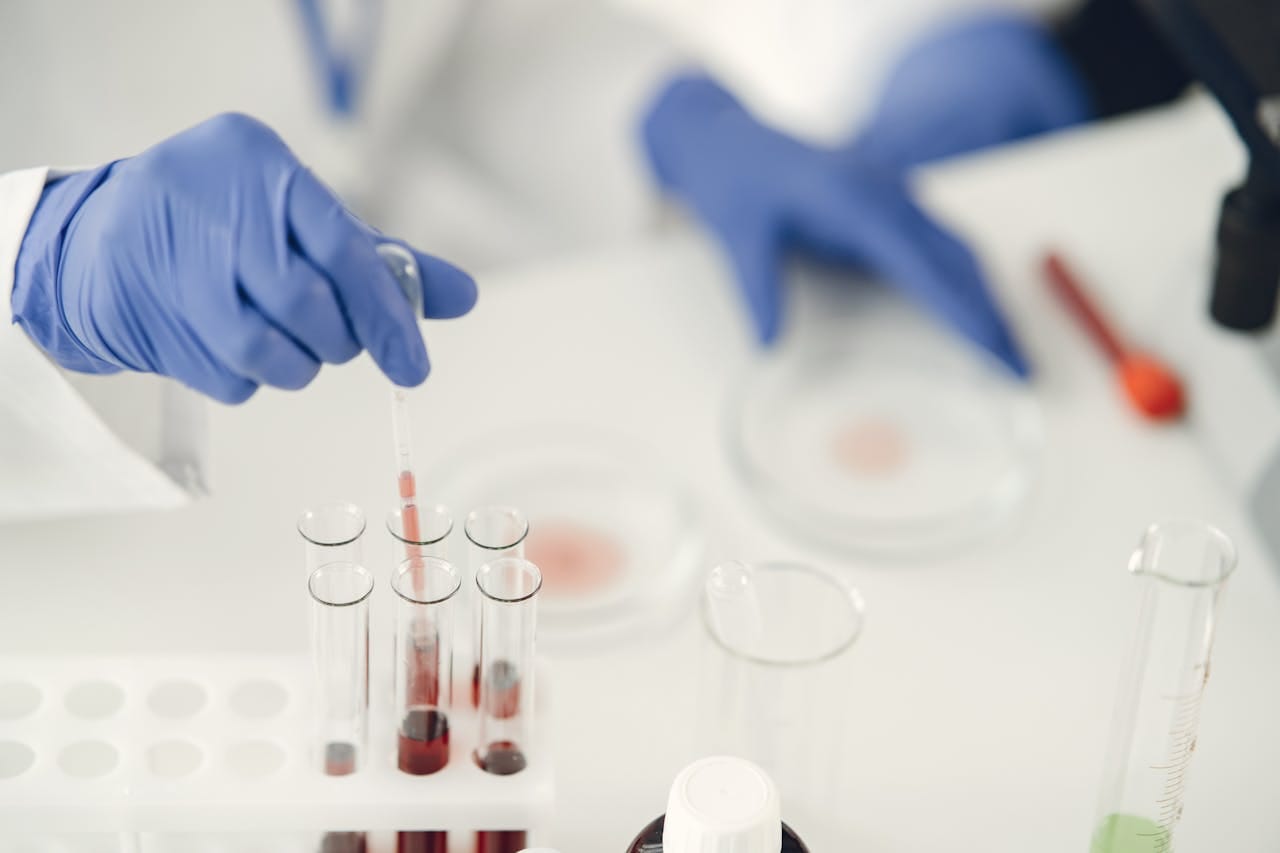
In blood tests, sampling is done through venipuncture to collect the blood for testing.
Two main blood tests check for iron overload:
- Serum Transferrin Saturation: Measures iron bound to transferrin in your blood. Values over 45% are high.
- Serum Ferritin: Measures iron stored in your liver.
These tests are best done while fasting. Your doctor may repeat them for accuracy.
Additional tests may include:
- Liver function tests (LFT).
- MRI to measure iron levels in the liver.
- Genetic testing for HFE gene changes.
- Liver biopsy (if liver damage is suspected).
Things to Know about Hemochromatosis Genetic Test
Here are some lesser-known aspects of the Hemochromatosis Genetic Test:
- Additional Mutations: While C282Y and H63D are the most common, the test can sometimes detect rarer mutations like S65C. The S65C mutation is linked to mild iron overload rather than Hemochromatosis.
- Ethnic Variations: The prevalence of HFE mutations varies significantly among different ethnic groups. It's most common in people of Northern European descent.
- Incomplete Penetrance: Only some people with two copies of C282Y will develop iron overload, which is called incomplete penetration.
- Compound Heterozygosity: Having one C282Y mutation and one H63D mutation can sometimes lead to mild iron overload.
- Non-HFE Hemochromatosis: Some forms of hereditary hemochromatosis are caused by mutations in genes other than HFE, which the hemochromatosis genetic test doesn't detect. It is a rare condition of end stage liver dysfunction.
- Influence from Other conditions: Certain health conditions or lifestyle factors can influence iron absorption even in people with HFE mutations.
- Incidental Findings: Hemochromatosis involves genetic testing. Occasionally, it may reveal unexpected information about other health risks or family relationships.
- Limited Predictive Value: A positive blood test for hemochromatosis doesn't predict the severity or onset of symptoms. It can vary widely among individuals.
These factors underscore the importance of interpreting test results in the context of an individual's overall health and family history.
Conclusion
Genetic testing for hemochromatosis offers insights into iron absorption disorders, aiding early detection and management. Understanding mutations like C282Y and H63D helps assess genetic risk, guiding personalised healthcare decisions. While informative, interpretation with medical guidance is crucial for accurate diagnosis and early intervention.
Get Started at ₹1!
Try Flabs for a full month for just ₹1.
Follow us on