Pathology tests are pivotal in the landscape of modern healthcare, serving as fundamental tools for diagnosing, monitoring, and managing a wide range of diseases. These tests examine blood, tissue, urine, and other bodily fluids for anomalies that may suggest a variety of health problems, including superficial infections, chronic disorders, and cancer. As the cornerstone of diagnostic medicine, understanding the various types of pathology tests available is crucial for both healthcare professionals and patients.
This guide aims to demystify the extensive list of pathology tests, providing insights into their significance, the conditions they can detect, and how they contribute to comprehensive health care. This article will explore essential pathology tests, focusing on clinical pathology tests and blood tests and their role in assessing cardiac function. By delving into the pathology test list, we offer a valuable resource for anyone looking to navigate the complexities of diagnostic testing, highlighting the essential tests vital for maintaining optimal health.
Explaining the Pathology Test List
The Pathology Test List encompasses a wide array of diagnostic tests that are crucial for identifying various health conditions. These tests are categorised based on the type of sample analysed (such as blood, urine, or tissue) and the nature of the analysis performed. The primary goal of these tests is to detect and measure specific components within the sample that can indicate normal or abnormal processes within the body. Pathology tests are instrumental in diagnosing diseases, monitoring the progression of chronic conditions, assessing the effectiveness of treatments, and screening for health issues before symptoms arise.
Key categories within the Pathology Test List include:
1. Haematology
Focuses on disorders of the blood and blood-forming tissues, including anaemia, infections, haemophilia, and leukaemia. Standard tests include Complete Blood Count (CBC), Erythrocyte Sedimentation Rate (ESR), and blood clotting tests.
2. Biochemistry
Analyses chemical components in the blood, such as glucose, cholesterol, proteins, and enzymes, to assess organ function and metabolic status. Liver function tests and renal profiles are examples.
3. Microbiology
Identifies infectious agents like bacteria, viruses, fungi, and parasites. Tests include culture and sensitivity testing, PCR testing for pathogen DNA, and serology tests for antibodies.
4. Immunology
Evaluates the body's immune response through the detection of antibodies, antigens, and autoimmune markers. Tests can diagnose allergies, autoimmune diseases, and immune deficiencies.
5. Cytology and Histopathology
Examine cells and tissues under a microscope to detect cancerous changes, infections, and other pathological conditions. Pap smears and biopsies fall into this category.
6. Molecular Pathology
Uses techniques such as PCR and DNA sequencing to diagnose genetic disorders, cancers, and infectious diseases at the molecular level.
Each test within the Pathology Test List provides valuable information about the body's condition, guiding healthcare professionals in making informed decisions about patient care.
Explain the Clinical Pathology Test List
Clinical pathology encompasses a wide range of laboratory testing and analysis, focusing on the diagnosis and monitoring of diseases primarily through the examination of blood, urine, and other body fluids. The clinical pathology test list is extensive, serving as a cornerstone for medical diagnosis and treatment planning. Here's an overview of crucial test categories within clinical pathology:
1. Hematology Tests
These tests evaluate blood components, including red and white blood cells and platelets. Common tests include the Complete Blood Count (CBC), which measures the concentration of various blood cells, and coagulation tests like Prothrombin Time (PT) and Activated Partial Thromboplastin Time (aPTT), which assess blood clotting.
2. Clinical Biochemistry Tests
These analyse chemical constituents in the blood or urine to assess organ function and metabolic state. Examples include glucose testing for diabetes management, liver enzymes for liver function assessment, and creatinine and urea levels for evaluating kidney function.
3. Microbiology Tests
Aimed at identifying infectious agents such as bacteria, viruses, fungi, and parasites. These tests include cultures of blood, urine, or tissue samples to detect infections and sensitivity testing to determine the most effective antibiotics for treatment.
4. Immunology and Serology Tests
These tests detect antibodies and antigens in the blood, providing information on immune status and exposure to infectious diseases or confirming autoimmune disorders. Tests such as the Rheumatoid Factor (RF) and Antinuclear Antibodies (ANA) are examples.
5. Urinalysis
A typical test that examines urine for signs of disease, including the presence of proteins, glucose, blood, and white blood cells. Urinalysis can help diagnose kidney disease, urinary tract infections, and diabetes.
6. Molecular Diagnostics
This is a rapidly growing area that includes tests for genetic conditions, identification of infectious agents at the DNA or RNA level, and markers for personalised medicine approaches in cancer treatment.
The clinical pathology test list is integral to modern medicine, enabling healthcare providers to diagnose conditions accurately, monitor patient health, and tailor treatments to individual needs. These tests are routinely used in medical practice to ensure comprehensive patient care.
Types of Pathology Blood Test List
Blood tests are among the most prevalent pathology tests, providing valuable information about the body's functioning, the existence of disorders, and the efficacy of therapies. The pathology blood test list includes a variety of tests, each designed to measure specific components in the blood. Here are some of the critical types of blood tests included in pathology:
1. Complete Blood Count (CBC)
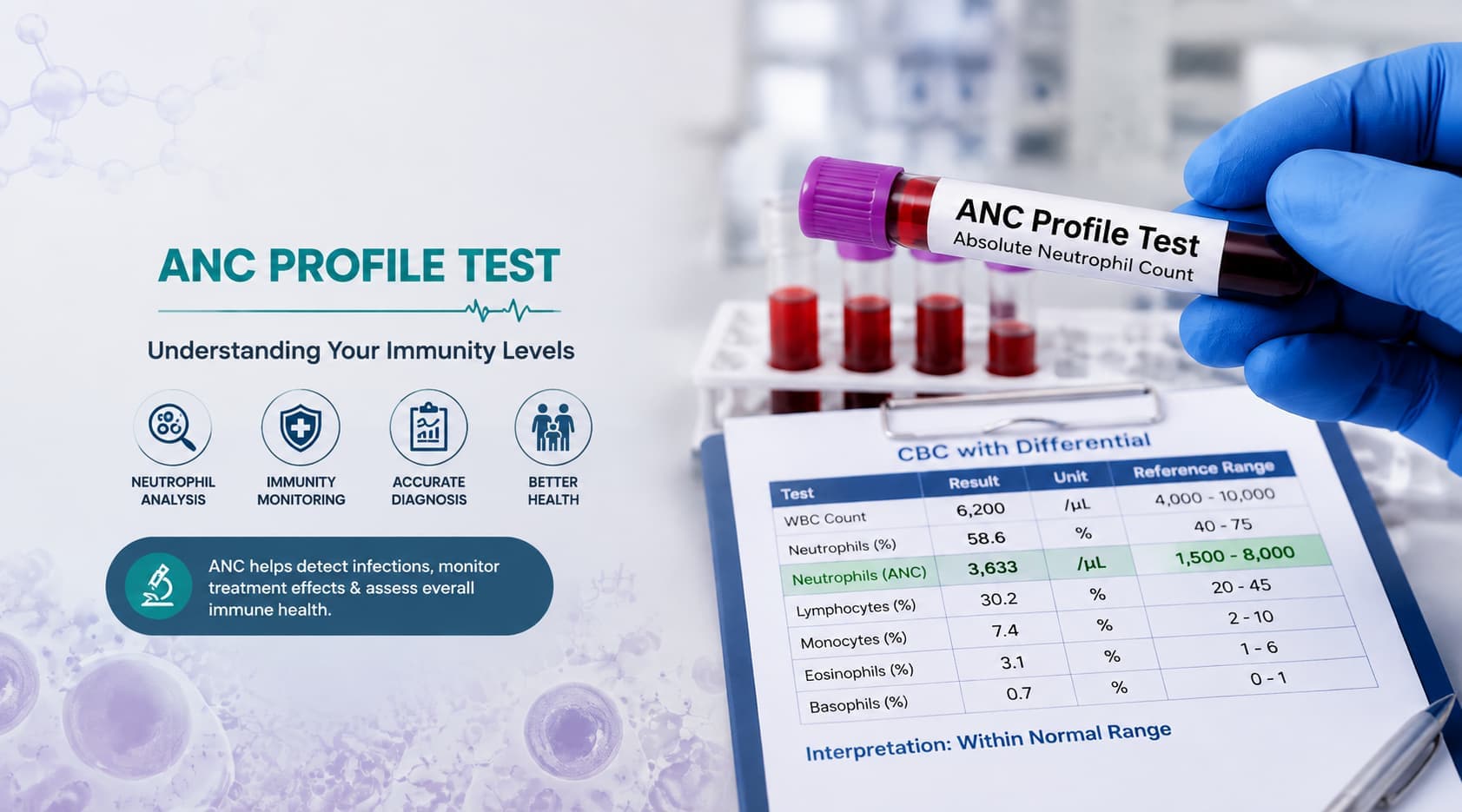
Determines the concentrations of several blood components, including platelets, haemoglobin, haematocrit, and red and white blood cells. Blood malignancies, infections, and anaemia can all be found with this test.
2. Blood Chemistry Panel
Evaluates a number of blood chemistry parameters, such as glucose, electrolytes (sodium, potassium, and chloride), and indicators of kidney and liver function (creatinine, urea, alanine aminotransferase (ALT), and aspartate aminotransferase (AST)).
3. Lipid Profile
Measures cholesterol levels, including total cholesterol, low-density lipoprotein (LDL), high-density lipoprotein (HDL), and triglycerides, to assess cardiovascular risk.
4. Thyroid Function Tests
Thyroid hormone levels, such as free thyroxine (FT4), free triiodothyronine (FT3), and thyroid stimulating hormone (TSH), can be measured to evaluate the condition of the thyroid gland.
5. Coagulation Tests
To evaluate blood clotting ability and track anticoagulant medication, including Prothrombin Time (PT), International Normalised Ratio (INR), and Activated Partial Thromboplastin Time (aPTT).
6. Blood Gas Analysis
Measures the levels of oxygen, carbon dioxide, and bicarbonate in the blood, as well as blood pH, to assess lung function and acid-base balance.
7. Infectious Disease Tests
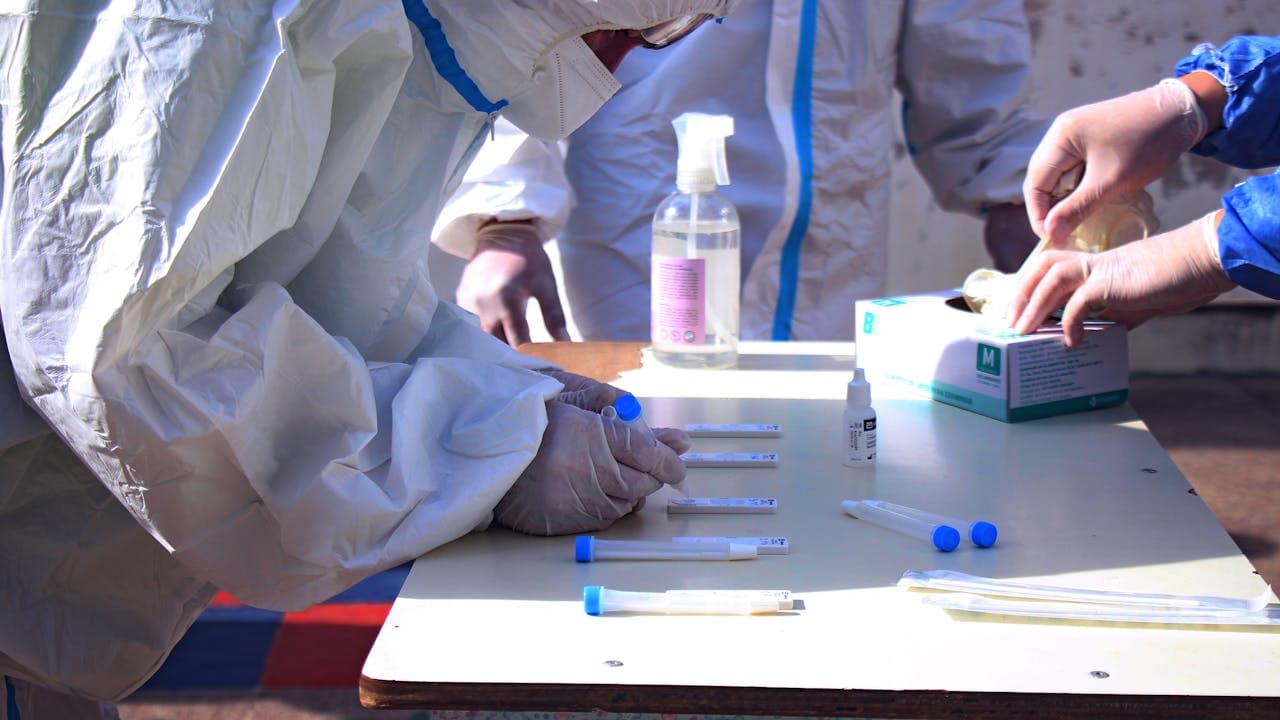
Detect the presence of infectious agents or antibodies against them, including tests for HIV, hepatitis viruses, and COVID-19.
8. Cancer Markers
Blood tests can detect specific proteins or cells released by tumours, such as Prostate-Specific Antigen (PSA) for prostate cancer and Carcinoembryonic Antigen (CEA) for colon cancer.
9. Autoimmune Disease Markers
Detect antibodies that target the body's own tissues, helpful in diagnosing conditions like rheumatoid arthritis, lupus, and celiac disease.
Each blood test on the pathology blood test list provides critical data for diagnosing health conditions, guiding treatment decisions, and monitoring patient health over time.
Some Vital Tests for Monitoring General Health
Monitoring and maintaining good health involves a variety of essential tests that can help detect potential health issues before they become serious. These tests are fundamental components of preventive healthcare and should be part of regular health assessments. Below is a list of essential tests for health that individuals should consider:
- Complete Blood Count (CBC): Provides a comprehensive overview of the health of your blood, including red and white blood cell counts, platelet count, and haemoglobin levels, which are crucial for detecting conditions like anaemia, infection, and more.
- Lipid Profile: Assesses the levels of cholesterol and triglycerides in your blood, which is vital for evaluating your risk of cardiovascular disease.
- Blood Pressure Screening: High blood pressure is a significant risk factor for heart disease and stroke; regular screenings are essential for all adults.
- Blood Glucose Testing: Screens for diabetes and prediabetes by measuring the amount of glucose in your blood, helping manage diabetes risk and control the condition if already diagnosed.
- Body Mass Index (BMI): While not a lab test, calculating your BMI is essential for assessing your weight category and associated health risks.
- Thyroid Function Tests: Evaluate how well your thyroid is working and can detect disorders affecting your metabolism.
- Liver Function Tests: Assess the health of your liver by measuring levels of proteins, liver enzymes, and bilirubin in your blood.
- Kidney Function Tests: Including measurements of creatinine, urea, and estimated glomerular filtration rate (eGFR), these tests assess how well your kidneys are filtering waste from your blood.
- Prostate-Specific Antigen (PSA) Test: For men, especially those over 50, to screen for prostate cancer.
- Bone Density Scan: For assessing bone health and risk of osteoporosis, especially recommended for women over 65 and men over 70.
- Vitamin D Levels: Important for bone health, immune function, and overall well-being.
- Colon Cancer Screening: Methods include colonoscopy, sigmoidoscopy, and stool tests, recommended for adults starting at age 45 to 50, depending on individual risk factors.
- Mammography: Recommended for women starting at age 40 to 50 for breast cancer screening, depending on individual risk factors and guidelines.
14.** Pap Smear and HPV Test**: For women to screen for cervical cancer and human papillomavirus (HPV), which can cause cervical cancer.
These tests provide valuable information about various aspects of your health, enabling early detection and management of potential health issues. It's essential to consult with a healthcare provider to determine which tests are appropriate based on your age, sex, health history, and specific risk factors.
Conclusion
The landscape of healthcare and disease management is significantly enhanced by the array of pathology tests available today. These tests, from comprehensive blood panels to specialised cardiac function assessments, form the backbone of modern medical diagnostics, enabling healthcare professionals to detect, diagnose, and monitor a wide range of conditions with unprecedented accuracy and efficiency.
Understanding the essential tests for health, including those that evaluate cardiovascular, metabolic, and organ function, is vital for individuals aiming to maintain optimal health and for clinicians striving to provide the best care. While the technology and methodologies behind these tests continue to evolve, the fundamental goal remains unchanged: to offer insights into the body's internal workings, thereby facilitating early intervention, personalised treatment plans, and, ultimately, better health outcomes.
For anyone navigating their health journey or involved in patient care, staying informed about the types of tests available and their intended purposes can empower more proactive health management and informed decision-making. As we move forward, the integration of advanced diagnostics, personalised medicine, and patient-centred care models holds the promise of transforming healthcare, making it more effective, efficient, and equitable for all.
Get Started at ₹1!
Try Flabs for a full month for just ₹1.
Follow us on