Diverticulitis affects many people, but its causes aren't always clear. This blog post breaks down what we know about this digestive condition in simple terms. We'll try to answer the question, “Is diverticulitis hereditary?” and discuss what other factors might put you at risk.
Diverticulitis is indeed hereditary, commonly occurring among people with gene connections. Other than that, it can affect both males and females, those typically above 40 years of age. Diet, obesity, smoking, a sedentary lifestyle, and certain medications can cause the condition.
In the ongoing discussion, let’s examine the common symptoms, test for diverticulitis, and discuss common diverticulitis treatment methods. Understanding Diverticulitis can help you take intelligent steps to protect your digestive system and improve your overall well-being.
Understanding Diverticulitis
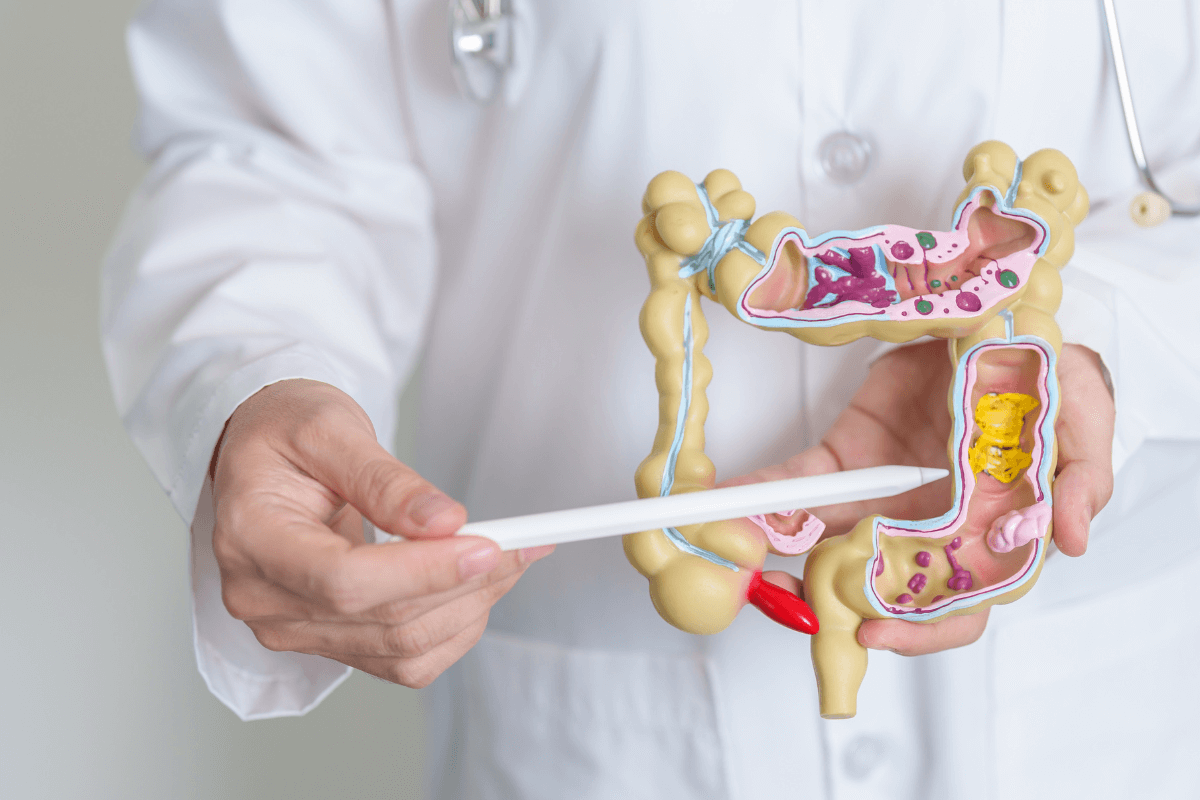
Diverticulitis occurs when small pouches in your colon (large intestine) become inflamed or infected. It can cause abdominal pain, fever, and changes in bowel habits. The common question surrounding the condition is “Is diverticulitis hereditary?”. Yes, Diverticulitis can occur as a result of genetic connection. If it runs in your family, it may be the cause you got into the situation.
It is not complicated 80% of the time, but it can become dangerous without early diagnosis and treatment. Understanding this condition helps you take action sooner rather than later.
Diverticulitis Symptoms
The symptoms of Diverticulitis include:
- Abdominal pain, usually on the lower left side.
- Fever.
- Nausea and vomiting.
- Changes in bowel habits, such as constipation or diarrhoea.
- Bloating and gas.
- Tenderness in the abdomen.
- Loss of appetite.
- High temperature.
What Causes Diverticulitis
Diverticulitis occurs when small, bulging pouches (diverticula) in the digestive tract become inflamed or infected. The exact cause of Diverticulitis isn't entirely understood, but it's thought to result from a combination of factors.
One primary factor is the blockage of the diverticula openings by stool, undigested food, or bacteria, which increases pressure within the colon. This pressure can cause tears in the diverticula, resulting in inflammation or infection.
A diet low in fibre can also contribute to the condition, as it leads to harder stools and more strain during bowel movements. This increases the risk of diverticula formation and subsequent Diverticulitis.
Other potential risk factors include age, obesity, smoking, lack of exercise, and certain medications, such as steroids, opioids, and nonsteroidal anti-inflammatory drugs (NSAIDs). In general, Diverticulitis is more common in people above 40 years of age.
Risks With Diverticulitis
Diverticulitis is not dangerous in 80% of cases. However, it carries several risks that can significantly impact a person's health. One of the primary risks is the development of abscesses, which are pockets of infection that can form in the colon. If an abscess doesn't respond to antibiotics, it may require surgical drainage.
Another serious risk is the formation of a fistula, which often requires surgery to repair. Additionally, Diverticulitis can lead to intestinal blockages. They can cause severe pain and digestive issues, which might also necessitate surgical intervention.
Gastrointestinal perforation is a particularly dangerous complication, where a tear in the colon wall can lead to peritonitis, a life-threatening infection of the abdominal cavity. Recurrent diverticulitis can result in chronic digestive problems and may necessitate changes in diet and lifestyle to manage symptoms.
Therefore, prompt medical treatment and ongoing management are crucial to mitigate these risks and prevent complications.
Testing for Diverticulitis
Many conditions can cause similar pain and symptoms to Diverticulitis. A number of tests are performed to determine if the cause of the symptoms is Diverticulitis.
A physical examination is conducted first, wherein a healthcare professional will gently touch different parts of the abdomen to understand where there is pain or tenderness. In the case of females, your doctor may suggest a pelvic examination if there is any problem with reproductive organs.
If there is no conclusion, it goes to laboratory tests for a definitive diagnosis. They can include one or more of the below tests:
- Blood tests for signs of infection and immune-system activity.
- Urine test.
- Stool test.
- Pregnancy test.
- Liver enzyme test.
- CT Scan to examine the presence of inflammation in the colon, abscesses, fistulas or other complications.
Treatment Methods
Diverticulitis treatment varies based on the severity of the condition.
For uncomplicated diverticulitis, your doctor may suggest home treatment, starting with diet recommendations for taking liquid foods. As symptoms improve, you can gradually reintroduce solid foods, with low-fibre options in the beginning, eventually resuming the regular diet high in fibre. It might also be suggested that you consume fibre supplements. Additionally, the prescription can include antibiotics. It's essential to complete the entire course even if you start feeling better.
Hospitalisation is usually necessary for complicated Diverticulitis, which is characterised by severe symptoms or signs of complications. Additional diverticulitis treatment involves administering antibiotics through an intravenous (IV) tube.
Surgery might be required to deal with complications like ruptures in the colon wall, fistulas, or other severe tissue damage. Recurrent uncomplicated Diverticulitis or a weakened immune system can also necessitate surgical intervention.
7 Foods to Avoid with Diverticulitis
Generally, the advice is to avoid foods rich in fibre for Diverticulitis. The following 7 types of foods must be kept away for the condition.
Whole Grains: With high fibre and nutrients, whole grains are beneficial for diverticulosis but can irritate during flare-ups due to colon contractions.
Red Meat: It may cause issues due to inflammatory chemicals.
Cereals and Refined Carbohydrates: High sugar and refined carbohydrates worsen colon flare-ups. They can also cause gut inflammation and a bacteria imbalance.
Dairy Products: Due to lactose intolerance, these can cause digestive discomfort and inflammation. Their high-fat content is also hard to digest.
Fried Foods: High in fatty oils, increasing gas, bloating, and inflammation during flare-ups.
Legumes: These are rich in fibre content and may cause discomfort. But proper cooking can ease digestion.
Spicy Foods: Avoid them to prevent abdominal discomfort. They are problematic for people with Diverticulitis.
Conclusion
In this discussion, we have answered the question, “Is diverticulitis hereditary?”. The takeaway is that it doesn’t have to be complicated. Diverticulitis can be managed effectively with proper understanding and care. While genetics play a role, lifestyle choices significantly impact risk and symptom management. By maintaining a balanced diet, staying active, and monitoring your health, you can reduce the likelihood of flare-ups.
If you experience symptoms, seek medical advice promptly. Remember, early detection and treatment are key to preventing complications and leading healthy, comfortable lives.
Get Started at ₹1!
Try Flabs for a full month for just ₹1.
Follow us on