In any lab environment, safety must always come first. Following essential lab safety rules as recommended protects not just you but the entire team of lab professionals from potential hazards. Lab safety measures are critical in medical laboratories where life-threatening medical conditions are diagnosed. It is imperative for speed and accurate diagnostic results for appropriate treatments to save lives.
There are general lab safety rules set as per global regulations that every lab should follow. Additionally, every lab, medical or otherwise, will have its own set of lab safety rules. Every lab technician, related staff and student must be aware of both to discharge their duties effectively. Let’s explore the essential safety lab practices in this article.
Importance of Laboratory Safety Guidelines
Lab accidents are more common than it is apparent. In a study, 45% of lab workers admitted to being exposed to some sort of lab accident.
But what are lab safety rules? It refers to the set of protocols and practices designed to minimise risks and ensure the well-being of individuals working in laboratories. These lab safety rules are critical in various lab settings, including medical, chemical, and research facilities. Hazards can range from toxic chemicals to biological agents and complex equipment, often causing unexpected accidents.
The primary reasons for implementing lab safety measures are:
- Lab safety rules protect staff from accidents and injuries. The safety of patients is also essential in the case of medical labs.
- Lab safety rules ensure the integrity of experimental results, which is critical in pathology labs.
- Following lab safety measures maintains compliance with regulatory standards.
- Lab safety measures promote a productive work environment.
- They minimise the risk of costly delays and disruptions.
- They safeguard against exposure to hazardous materials.
- Implementing lab safety rules promotes a culture of responsibility and accountability.
- They encourage proper use and maintenance of lab equipment.
- They improve overall morale and teamwork.
Therefore, grasping and adhering to lab safety rules is a non-negotiable for promoting a culture of safety and accuracy in any laboratory setting.
10 Laboratory Safety Precautions to Follow
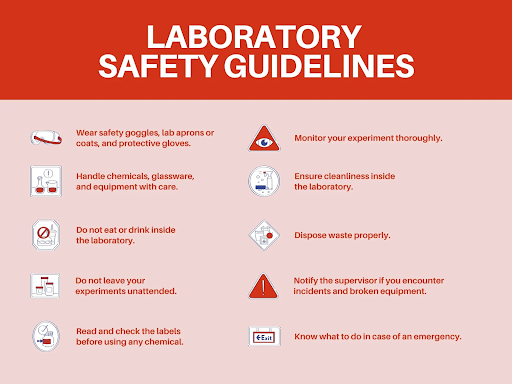
1. Wear Proper Lab Gear
Always put on protective items like a lab coat, safety goggles, and closed shoes during lab experiments and testing. Keep long hair tied back and remove any accessories like rings or watches if necessary for safety.
2. Don’t Eat or Drink
Keep food and drinks outside the lab walls to avoid spills and contamination. Eat or drink before entering the lab or after exiting. The chemicals and other lab materials can transfer to your food. Also, wash your hands thoroughly before leaving the lab.
3. Dispose of Waste Properly
Use designated bins for chemical and biological waste adhering to lab safety measures. In the case of medical labs, disposing of syringes and medical kits is a critical job to maintain lab safety measures. Never pour chemicals down the sink and be cautious when disposing of sharp objects like glass or razors.
4. Handle Chemicals with Care
Double-check labels before using any chemical. Don’t sniff or taste chemicals, and handle them as per lab safety rules to avoid accidents. Keep reagent bottles sealed when not in use and label everything to avoid cross-contamination.
5. Use Equipment Safely
Be mindful when using sharp tools or equipment like Bunsen burners. Follow respective lab safety rules when using them. Report damaged cords or glassware to supervisors and clean up broken glass safely with a broom.
6. Fire Safety
Know where the fire extinguisher is and store flammable materials properly. Be extra cautious with heat sources like Bunsen burners. Follow all laboratory safety rules for handling explosive materials.
7. Keep Lab Work in the Lab
Don’t take lab material or equipment outside or at home. In external laboratories, it could be a legal offence. Wash your lab clothes after each use to avoid contamination.
8. Stay Calm During Accidents
In spite of laboratory precautions, some things are bound to go wrong causing unexpected accidents. Always be prepared for that. You should remain calm and alert enough to use safety equipment around you. Notify your supervisor for suspected malfunction. Learn about and follow all emergency lab safety rules.
9. Work with a Partner
When possible, work with someone in the lab to help catch mistakes or assist during emergencies. It could be a lab technician or someone who knows lab safety rules well.
10. Be Responsible
Focus on your work and follow lab safety rules. Avoid risky or unnecessary experiments and always clean up after yourself. Let others know when handling hazardous materials.
Other Do's and Don’ts in Laboratory Settings
- Don’t breathe in chemical fumes directly; use a fume hood and waft odours toward you.
- Handle hot objects with care and use tongs for anything heated.
- Do not pipette with your mouth; use pipette bulbs.
- Plan your breaks wisely, turning off equipment and informing your instructor.
- Never come to the lab under the influence of drugs or alcohol.
- Clean your workspace and wash your hands after every lab session, ensuring everything is off.
Common Misconceptions Regarding Lab Safety Rules
Many times, lab safety rules are not taken seriously by the staff or students handling various materials or handling the lab. They think that lab safety rules are not for them since they’re aware of how to handle various aspects. Turns out, they’re at an increased risk of danger. Lab accidents can happen in the most unexpected circumstances. So, personal safety is a blind rule before entering or working in a lab, especially in chemical and medical labs.
Wearing Gloves Means I’m Safe
Some individuals think that simply wearing gloves is sufficient protection. However, gloves can have holes or be made from materials that are not suitable for all chemicals. You should choose the right type of glove based on the substances being handled.
Eating in the Lab is Okay if I’m Careful
A common belief is that eating in the lab is safe as long as precautions are taken. This is false; consuming food in the lab can lead to contamination and exposure to hazardous materials.
Safety Equipment is Optional
Some may think that using safety equipment, like goggles or face shields, is optional if they feel they can manage without them. In reality, these items are indispensable for protecting against potential splashes and debris.
I Can Handle Small Spills Without Proper Protocol
There's a misconception that minor spills can be managed informally. In truth, even small spills can pose significant risks, and established protocols should always be followed for cleanup.
The Lab is Not a Dangerous Place
Many new lab users underestimate the risks associated with lab work. Hazards are inherent in laboratory settings, and assuming safety can lead to complacency and accidents.
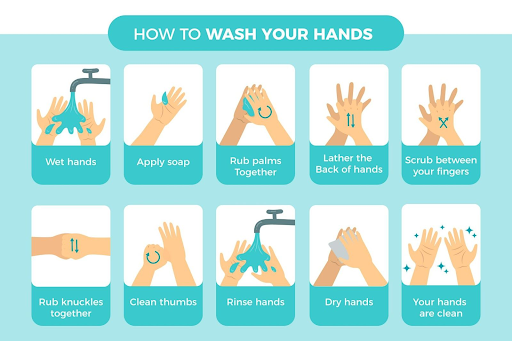
Hand Washing Instructions for Lab Safety
Hand washing, especially after handling lab procedures, materials, and equipment, must be done carefully. As per lab safety guidelines or for general practice, the minimum recommended time for proper hand washing is 20-30 seconds.
Types of Hand Washers for Use in Labs
Antimicrobial Hand Wash: Contains agents that kill or inhibit the growth of microorganisms.
Foam Hand Wash: Provides a rich foam that can help remove dirt and bacteria effectively.
Liquid Hand Soap: A common type, effective for general cleaning purposes.
Alcohol-Based Hand Sanitizer: Ideal for situations where soap and water are unavailable. it should contain at least 60% alcohol. However, not recommended for regular use in daily life.
Surgical Hand Scrub: Used in medical settings for a more thorough cleansing, often containing antiseptic agents.
Gentle or Sensitive Skin Hand Wash: Formulated for individuals with sensitive skin or allergies.
Barrier Creams: Although not a traditional hand wash, these are used to protect the skin before handling hazardous substances.
Types of Clothes to Avoid in Labs
- Loose clothing.
- Short sleeves or sleeveless tops.
- Open-toed shoes or sandals.
- Clothes made of flammable materials, e.g nylon, polyester, polypropylene or acrylic.
- Tight or restrictive clothing.
- Jewellery and accessories.
- Non-absorbent fabrics.
- Clothes with frayed edges.
Regular Training and Awareness
Maintaining a lab is no longer just about laying down lab safety rules. Regular safety training for lab personnel is necessary to ensure that everyone is familiar with protocols and emergency procedures, including newly joined staff. Moreover, safety standards change from time to time based on various local, national, and international rules.
So, ongoing education about lab safety measures empowers team members to recognise hazards and respond appropriately. By prioritising safety training, you can minimise risks and encourage open communication about safety concerns.
Provide resources such as workshops, online courses, and safety manuals to support continuous learning and reinforce best practices. Ultimately, a well-informed team is the backbone of a safe laboratory environment. It is indispensable for both personal well-being and the integrity of scientific research.
Future Trends in Lab Safety Rules
- Use of automation and robotics to reduce manual error, and consistency, and reinforce lab safety rules.
- There is increased adoption of smart lab equipment with IoT devices to monitor environmental conditions and detect any abnormal changes in real time that may lead to accidents.
- The safety of wearable technology is reinforced with smart helmets or AR glasses that can provide instant safety alerts and related information.
- Virtual reality is used for training lab personnel on lab safety rules in a simulated environment, which can reduce both accidents and the costs involved.
- There is a growing focus on sustainability and green chemistry to promote safer, environmentally friendly practices.
- Lab standards across the world emphasise mental health and safety culture to improve overall morale and encourage open communication about safety.
- Various labs are adapting safety regulations that align with technological advancements in laboratory practices to make use of the latest developments to improve safety.
Conclusion
Lab safety is not an incident, it must be a personal choice. In addition to following these lab safety rules and embracing future trends, cultivating a proactive mindset towards safety is indispensable. Encourage your team members to regularly audit safety protocols, report hazards, and innovate ways to strengthen safety. Personal accountability and open communication play vital roles in preventing accidents. By prioritising continuous safety improvements, labs can remain adaptable and resilient to emerging risks, technological advancements, and global regulations.
You may also like to read: Benefits and Importance of Pathology Laboratory
Get Started at ₹1!
Try Flabs for a full month for just ₹1.
Follow us on