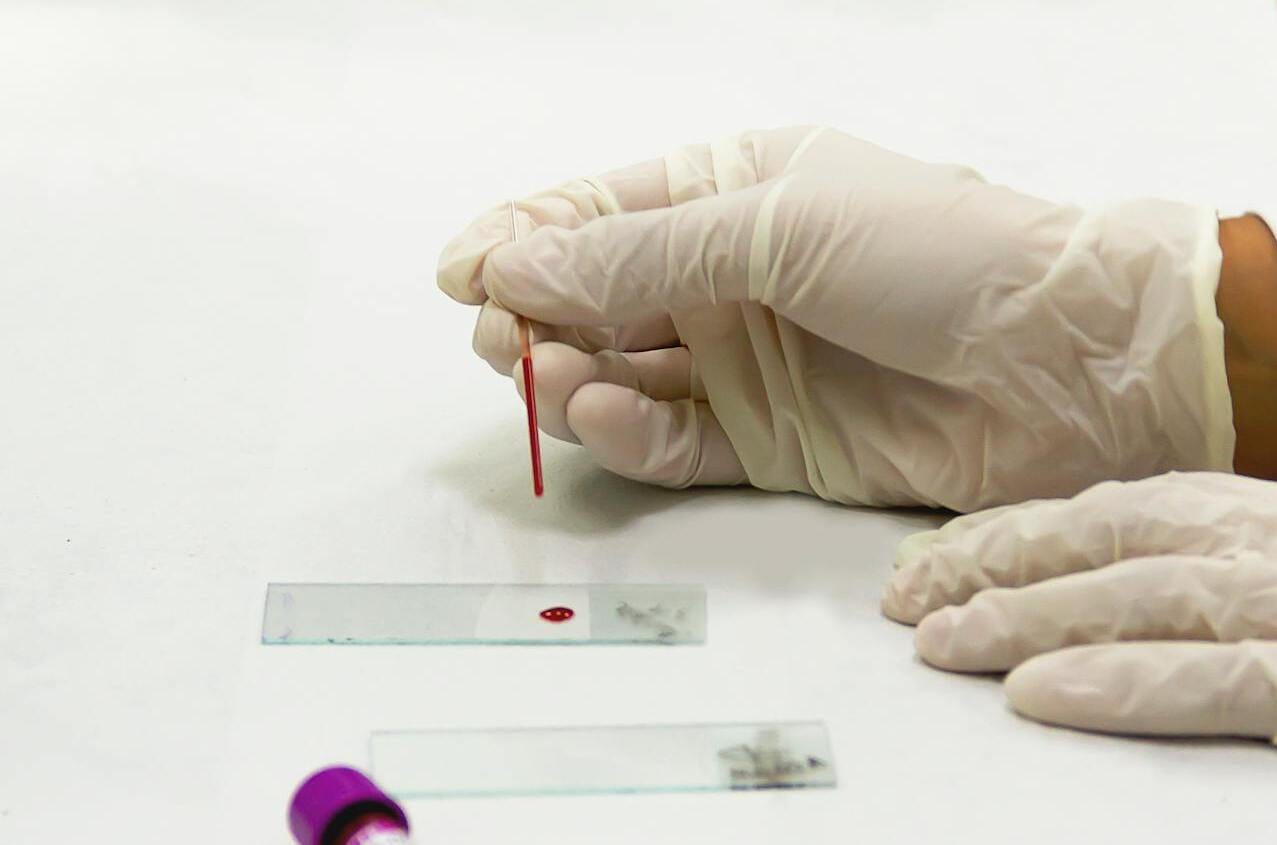
Peripheral blood smear analysis is performed to gain insights into the structure and malfunctioning of blood cells. It reveals the morphology, distribution, and abnormalities in RBCs, WBCs, and platelets. Any of the common blood collection methods are employed for blood sampling. However, testing and analysis involve microscopic examination.
The peripheral blood smear results give insights into an individual's health condition and help correlate the observed symptoms. They inform physicians to suggest appropriate medical care and additional testing, if applicable.
Skeleton of the Normal Peripheral Blood Smear Report Format
A well-designed normal peripheral blood smear report format includes the details mentioned below. While the outline is a standard, there can be more or less variations from one diagnostic lab to another.
Patient and Specimen Identification: A PBF test report must collect accurate patient information, including name, age, gender, and lab-specific unique identifier. It shall also record the method of blood sampling and the date and time of sampling.
Test Methodology: In the normal blood smear report, mention the method used for preparing and staining the peripheral blood smear.
Lab Info: Include the name and contact information of the diagnostic laboratory where sampling and testing were performed. Relevant barcodes and logos should be used in the normal peripheral blood smear report formatting.
Test Causation: In the peripheral blood smear report, briefly mention the patient's clinical symptoms and relevant medical history. Indicate the reasons for taking the test.
Microscopic Examination: Provide a detailed description of the blood smear at low and high magnifications. Note the presence of abnormal cell types, their morphology and distribution, and any cellular inclusions, parasites, or artefacts observed in the peripheral blood sample.
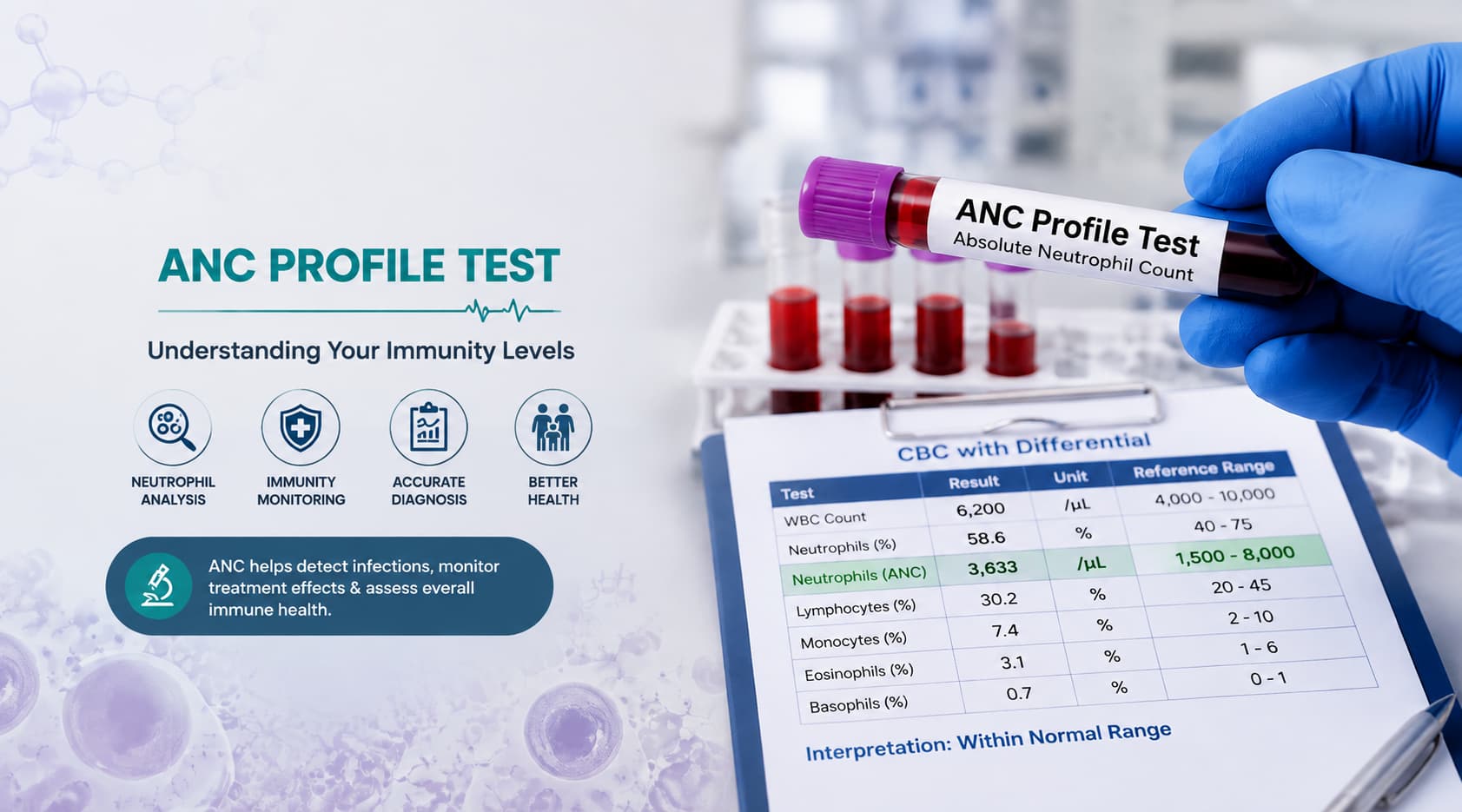
WBC Count: In the PBS test report, enumerate the different types of white blood cells along with their percentages. Highlight deviations from the peripheral smear test normal values. This should allow physicians to interpret the report easily.
RBC Morphology: Describe the morphology of RBCs as observed during the microscopic examination. In the report, record the cells' size, shape, and colour, along with any foreign cell inclusions like Howell-Jolly and Heinz bodies.
Platelet Count: Present the platelet count, morphology, and distribution while highlighting any abnormalities, such as thrombocytopenia or giant platelets.
Unusual Findings: It is a good practice to describe abnormal findings in normal blood smear reports. An abnormal peripheral blood smear is characterised by immature white blood cells, unusual lymphocytes, cell inclusions, or parasites. Explain their severity and clinical implications.
Clinical Correlation: Correlate the test findings with the patient's medical history and symptoms and discuss possible health conditions associated with them. In this section of the normal peripheral blood smear report, include suggestions for additional testing and treatment.
Signatory: Always attest the report with the signatures of lab personnel and professionals in authority for a standardised normal peripheral blood smear report format. This format promises trust, accuracy, and reliability for patients and healthcare professionals.
Download Normal Peripheral Blood Smear PDF Report Sample
Get the normal peripheral blood smear report sample here, which clearly delineates the formatting aspects. As mentioned, slight variations in the reporting don't violate the ICMR (Indian Council of Medical Research) rules.


Peripheral Smear Test Uses
The peripheral blood smear staining procedure reveals underlying health conditions such as Leukaemia, Myelodysplastic syndrome, Anemia, Heart failure, Lymphoma, Autoimmune diseases, and Malaria. It is characterised by the count of various blood cells, morphology, foreign cell inclusions, and parasites.
Conclusion
A peripheral blood smear staining procedure is an important method to assess various cancer-related health conditions and blood malfunctioning. In this, normal peripheral blood smear report format is a crucial means to understand the test results and use them for providing accurate health care to patients. The more laboratories master it, the better their diagnostic capabilities will be.
Get Started at ₹1!
Try Flabs for a full month for just ₹1.
Follow us on