The procalcitonin test (PCT) is a key diagnostic tool for detecting serious bacterial infections, particularly sepsis—a potentially life-threatening condition caused by harmful inflammation from an overactive immune response. By measuring procalcitonin levels in the blood, this test helps doctors determine the presence and severity of bacterial infections.
Elevated procalcitonin levels may indicate a high risk of sepsis or an existing systemic infection, enabling timely and accurate diagnosis. This guide explores the workings of the procalcitonin test, how results are interpreted, and its role in differentiating bacterial from viral infections. The goal is to guide treatment decisions for patients with severe illness.
What is Procalcitonin Test
Procalcitonin test is essentially a blood test, that is used to check the levels of Procalcitonin, a hormone from the Thyroid gland. It is also known as serum procalcitonin test. Under normal conditions, procalcitonin levels remain very low. However, during a serious bacterial infection, the levels of Procalcitonin increase. High procalcitonin levels can indicate a severe infection or the risk of sepsis.
Sepsis (or septicemia), is a life-threatening response to an infection, generally caused by bacteria. It occurs when an existing infection spreads into the bloodstream, triggering widespread inflammation and blood clotting. Without prompt treatment, sepsis can lead to tissue damage, organ failure, or even death.
Infections that can progress to sepsis often originate in the lungs, urinary tract, skin, or digestive system. A procalcitonin test helps healthcare providers determine if sepsis is present or if there’s a high risk of it developing. The Procalcitonin test uses, thus, include early intervention in patients with a severe infection or risk of sepsis.
According to the CDC, over 1.7 million adults in the U.S. develop sepsis each year. While any infection can lead to sepsis, some groups face a higher risk due to increased vulnerability to infections. These groups include:
- Adults over 65
- Infants under 1 year old
- Individuals with chronic conditions like diabetes, cancer, or lung and kidney diseases
- Those with weakened immune systems
- People recovering from severe illnesses
- Pregnant individuals
- Those with a history of sepsis
The Purpose of PCT Blood Test
A procalcitonin test checks for serious infections, especially if a bacterial or viral cause is unclear. For example, the test can distinguish between bacterial and viral pneumonia, guiding antibiotic use since antibiotics treat bacterial infections but not viral ones. Mostly, hospitals use this test for critically ill patients.
Doctors use this test to:
- Identify or rule out bacterial infections and sepsis
- Assess the severity of sepsis
- Decide on treatments and monitor progress
- Diagnose kidney infections in children with UTIs
Indications for the PCT Test
You might need PCT blood test if you show below symptoms:
- Fever or Chills
- Sweaty skin
- Confusion
- Rapid breathing
- Severe pain
- Rapid heartbeat
- Shortness of breath
- Less frequent urination
- Low blood pressure
- Confusion or disorientation
Procalcitonin Test Procedure
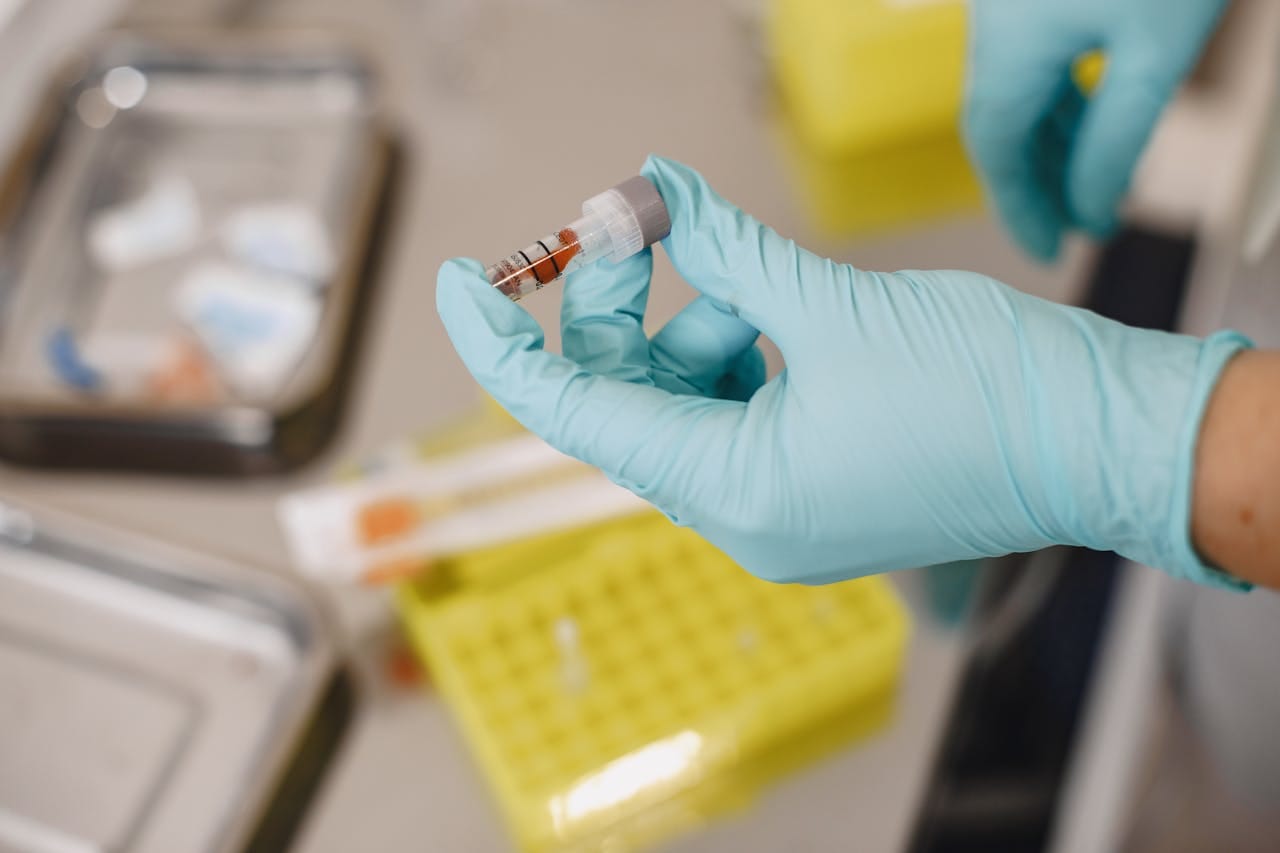
The procedure of the Procalcitonin test involves blood collection, usually through venipuncture. A phlebotomist or qualified lab technician will collect blood into a labelled test tube. The test tube is preserved in an appropriate setting until it is transferred to a diagnostic laboratory for examination.
Since procalcitonin test method is a simple blood collection, no preparation, such as fasting is required. You may come to the test with or without eating. Your doctor may ask you for ongoing medications, health history, and lifestyle changes to help assess your health condition better.
There are no risks to the Procalcitonin test as well. Since it is a simple blood test, you can resume your activities right after the test is over. Your healthcare provider will suggest to you if you need to take any special precautions after the test. Alternatively, you can also contact them to resolve any of your doubts.
Procalcitonin test results can take anywhere between 1-2 hours to few days, depending on the logistic capacity of the lab, urgency of case, time for diagnosis, etc. The results will be available in the form of a standard Procalcitonin test report.
Procalcitonin Test Normal Range & Interpretation
| Risk Status | Procalcitonin (PCT) Value (µg/L) |
|---|---|
| Normal Range | 0 - 0.05 |
| Low Risk of Sepsis | 0.05 - 0.5 |
| Possible Sepsis | 0.5 - 2 |
| Moderate to High Risk | 2 - 10 |
| Severe Sepsis | 10 or greater |
When PCT blood test report results fall in the normal range, it doesn’t indicate any abnormality. Otherwise, the following interpretations may be applicable.
Low Procalcitonin Levels:
- Suggest low risk of sepsis but don’t rule it out.
- May indicate a viral infection or a localized bacterial infection.
- Could mean a systemic infection is in its early stages (less than six hours old).
High Procalcitonin Levels:
- Indicate a high likelihood of sepsis, with a higher risk of severe sepsis or septic shock.
- May signal serious bacterial infections, like meningitis.
Moderate Levels:
- Could be due to early-stage infections or non-infectious conditions (e.g., trauma, burns, recent surgery, heart attack).
- In children, may point to kidney infections.
Slightly Elevated Levels:
- Usually linked to local infections, like UTIs, or early systemic infections.
- Could also indicate viral infections or tissue damage.
For complete interpretation, your healthcare provider will consider your complete health history, ongoing medications, and lifestyle factors into account.
*Laboratory conditions can also influence serum procalcitonin test results, though they don’t have anything to do with abnormalities. That is why, blood collection proecedure is highly calibrated by labs.
Procalcitonin Test Price in India
The PCT blood test price in India varies depending on the laboratory, city and other factors. It cna range from ₹1,300-₹3,500. For emergency cases, the Procalcitonin test price may increases due to requiring faster results. You can research about costs offered a particular laboratory before taking the test. Ensure that you take the test in a NABL accredited lab only.
Points to Note About Procalcitonin Test
- Procalcitonin testing is especially valuable in detecting bacterial infections in infants, where symptoms can be non-specific.
- Procalcitonin tests helped distinguish secondary bacterial infections in COVID-19 patients, guiding proper antibiotic use.
- Conditions like pancreatitis or autoimmune diseases can cause false positives, complicating diagnosis.
- Some severe viral infections, like H1N1, can slightly elevate procalcitonin, leading to potential misinterpretation of the serum procalcitonin test.
- Moderate elevations can occur due to trauma, surgery, severe burns, or heart attacks, which can confuse diagnosis.
- Procalcitonin levels can rise within 2-4 hours of infection onset, making it useful for early sepsis detection.
Conclusion
The role of procalcitonin test extends beyond diagnosis—it aids in preventing antibiotic misuse. By distinguishing bacterial from viral infections, it reduces unnecessary antibiotic prescriptions, helping combat antibiotic resistance. This proactive approach ensures targeted treatment, improves patient outcomes, and preserves antibiotic effectiveness for future infections. PCT blood test, therefore, not only identifies severe infections but also supports global efforts toward responsible antibiotic use and better healthcare practices.
Get Started at ₹1!
Try Flabs for a full month for just ₹1.
Follow us on