Have you ever considered how a single hormone test could unravel complex diagnostic puzzles in your patients? The Serum Prolactin Test (PRL Test) is imperative in identifying underlying hormonal imbalances that can manifest in diverse clinical presentations. As pathologists and healthcare professionals, comprehending its role is imperative.
What if the test could provide insights beyond reproductive health, linking to metabolic, neurological or even psychological conditions?
It often reveals the root cause of symptoms that might otherwise go unexplained. PRL test is a tool that can illuminate hormonal health for an individual.
What is the Serum Prolactin Test?
The serum prolactin test is a clinical method to measure prolactin levels in a blood sample to evaluate hormonal imbalances. Prolactin is a hormone produced by the pituitary gland, which influences various body functions. It primarily stimulates breast tissue growth during pregnancy and supports lactation after childbirth. However, abnormal prolactin levels in nonpregnant individuals and men may indicate underlying health conditions.
A serum prolactin test is often recommended in cases of galactorrhea (abnormal breast milk production), infertility, amenorrhea (absence of menstruation), breast leakage, prolactinoma (pituitary tumor) and other pituitary gland disorders.
Indications for the Test
The serum prolactin test uses include evaluating symptoms related to hormonal imbalances. It is useful in diagnosing:
- Prolactinoma (benign pituitary tumor)
- Irregular menstrual cycles
- Infertility in men and women
- Low libido and erectile dysfunction in men
- Galactorrhea (abnormal breast milk production in nonpregnant individuals)
- Pituitary gland disorders
Healthcare providers may also monitor prolactinoma treatment efficacy and recurrence.
Causes of Elevated Prolactin Levels
| Cause | Description |
|---|---|
| Prolactinoma | The most common cause is a benign tumor on the pituitary gland that secretes excess prolactin. |
| Medications | Certain drugs, including antipsychotics and antidepressants, can elevate prolactin levels. |
| Hypothyroidism | An underactive thyroid gland can lead to increased prolactin production. |
| Kidney Disease | Chronic renal failure may contribute to high prolactin levels. |
| Chest Injuries | Trauma or surgery near the chest can stimulate prolactin secretion. |
| Other Pituitary Tumors | Non-prolactin-secreting tumors can impact prolactin levels. |
| Marijuana Products | It can also raise prolactin levels. |
Transient prolactin elevation may also occur due to stress, exercise, or protein-rich diets. A follow-up test may be required to confirm persistent hyperprolactinemia.
Symptoms of Abnormal Prolactin Levels
| In Men | In Women |
|---|---|
| Decreased libido | Irregular or absent menstrual periods |
| Erectile dysfunction | Unexplained nipple discharge |
| Enlarged breast tissue (gynecomastia) | Infertility |
| Low facial and body hair growth | High prolactin levels in nonpregnant females may indicate an underlying endocrine disorder |
| Nipple discharge (rare) |
A prolactinoma can also cause:
- Headaches
- Vision disturbances (if the tumor compresses the optic nerve)
- Deficiencies in other pituitary hormones
Serum Prolactin Test Procedure
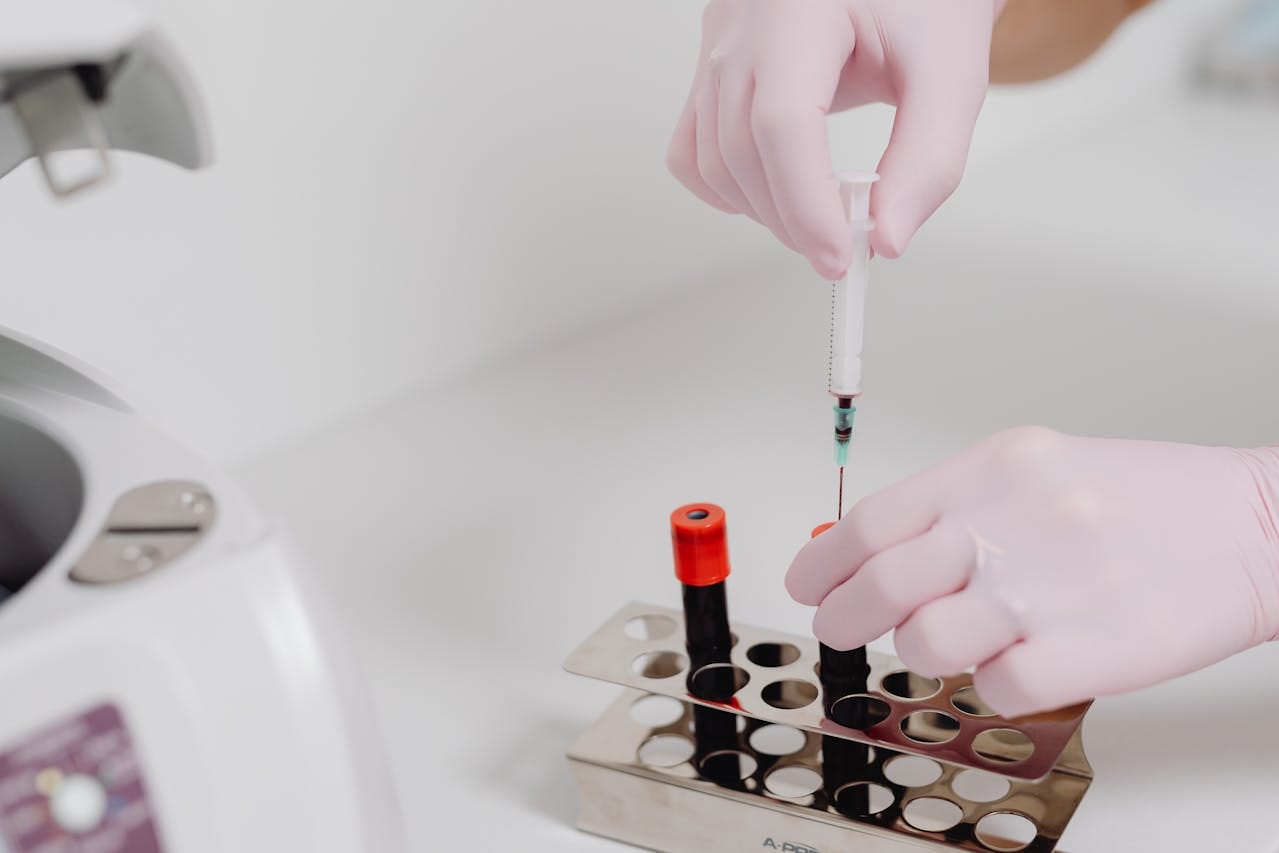
A prolactin test requires a simple blood draw, usually performed in the morning, about three to four hours after waking. The serum prolactin test time is important, as prolactin levels fluctuate throughout the day. Patients may need to fast before the test. Certain medications and supplements can influence prolactin levels, so healthcare providers should be informed of any ongoing treatments.
If prolactin levels are high, the test may be repeated in the early morning after an 8-hour fast to confirm the results.
Serum Prolactin Test Normal Range
| Category | Normal Prolactin Levels |
|---|---|
| Men | Less than 20 ng/mL (20 µg/L) |
| Nonpregnant Women | Less than 25 ng/mL (25 µg/L) |
| Pregnant Women | Less than 500 ng/mL (500 µg/L) |
Prolactin levels can vary by age and physiological conditions. Although general reference values are used, normal prolactin levels by age may fluctuate. Healthcare professionals should interpret results in the context of the patient’s overall health and symptoms.
Interpreting the Results
Elevated prolactin levels may indicate:
- Prolactinoma or other pituitary gland disorders
- Hypothalamic diseases
- Hypothyroidism
- Kidney disease
- Liver cirrhosis
- Polycystic ovary syndrome (PCOS)
If high prolactin levels are detected, additional tests may be needed to determine the cause. MRI imaging is often recommended if a prolactinoma is suspected.
Treatment
Managing hyperprolactinemia depends on its underlying cause:
- Medication: Dopamine agonists (e.g., bromocriptine, cabergoline) help reduce prolactin levels and shrink prolactinomas.
- Surgery: In cases where medication is ineffective, surgical removal of the tumor may be necessary.
- Thyroid Hormone Replacement: If hypothyroidism is the cause, treating the thyroid disorder often normalises prolactin levels.
- Medication Adjustments: If a drug is contributing to high prolactin, alternative treatments may be considered.
Clinical Considerations
While high prolactin levels often indicate a medical issue, mild elevations may result from non-pathological factors. Healthcare professionals should assess patient history, concurrent symptoms and additional test results before determining a course of action.
Final Thoughts
When interpreting serum prolactin results, don’t overlook drug-induced hyperprolactinemia. Medications like antipsychotics and antihypertensives can elevate levels, mimicking pituitary disorders. Always review the patient’s medication history to avoid misdiagnosis. It sharpens diagnostic accuracy and highlights the need for interdisciplinary collaboration.
Suggested read: Serum vs Plasma and Serum Electrolytes Test Report Format
Get Started at ₹1!
Try Flabs for a full month for just ₹1.
Follow us on