Thyroid dysfunction is one of the most pervasive endocrine disorders globally. For you, the pathologist or healthcare provider, the TSH blood test is not merely a routine assay; it serves as the primary gateway to understanding a patient's metabolic narrative. While the biochemistry is established, the nuances of interpretation, pre-analytical variables, and laboratory workflow efficiency continue to evolve.
We will explore the clinical and operational aspects of TSH testing, ensuring your laboratory delivers precise, actionable data to both clinicians and patients.
TSH Blood Test Meaning and Mechanism
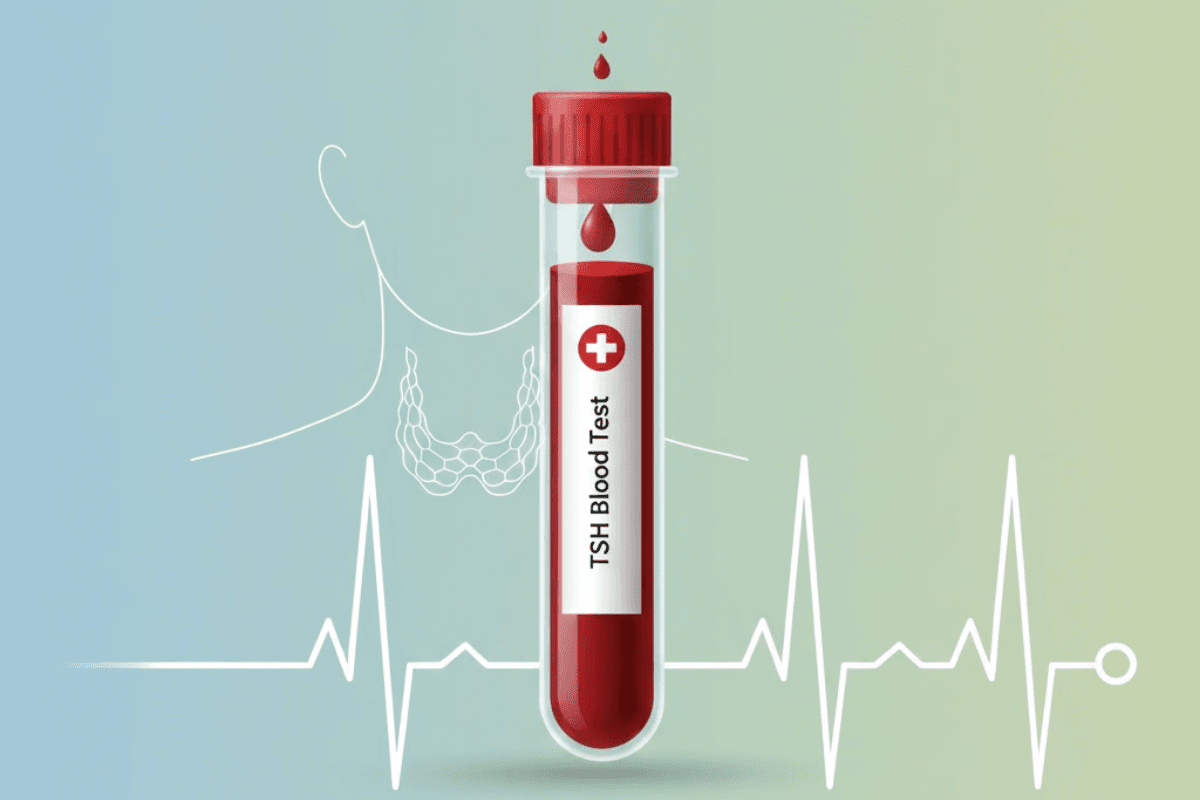
You know the physiology well, but explaining the TSH blood test meaning to a confused patient or a junior technician requires clarity. Thyrotropin (TSH) acts as the pituitary's messenger, indicating the thyroid gland to release thyroxine (T4) and triiodothyronine (T3).
The negative feedback loop is elegant yet sensitive. Small changes in free T4 (FT4) trigger logarithmic shifts in TSH. That is why the TSH blood test stands as the most sensitive first-line screening tool. An abnormal result raises the flag long before T4 or T3 levels drift outside reference intervals.
The Nuances: Interpretation and Ranges
Reference intervals are never static. They shift with age, gender, and physiological states like pregnancy. When generating a pathology report format, clarity in these specific ranges is non-negotiable for guiding treatment.
TSH Blood Test Normal Range
Standard reference intervals for adults generally fall between 0.4 and 4.0 mIU/L, though some organisations argue for a narrower upper limit of 2.5 mIU/L.
TSH Blood Test Normal Levels
| Demographic | Approximate Reference Range (mIU/L) | Clinical Note |
|---|---|---|
| Adult Men & Non-Pregnant Women | 0.4 – 4.0 | The standard baseline. |
| Pregnant Women (1st Trimester) | 0.1 – 2.5 | HCG mimics TSH, lowering levels naturally. |
| Pregnant Women (2nd Trimester) | 0.2 – 3.0 | Ranges rise slightly. |
| Pregnant Women (3rd Trimester) | 0.3 – 3.0 | Approaching non-pregnant levels. |
| Newborns | 1.0 – 39.0 | Surge immediately after birth is normal. |
| Elderly (>80 years) | Up to 7.5 | Higher levels may be physiological, not pathological. |
While the TSH blood test for men and women generally follows similar baselines, the TSH blood test normal range for females warrants extra scrutiny during reproductive years. Subclinical hypothyroidism (TSH > 4.0 but < 10.0 with normal FT4) correlates with fertility challenges and obstetric complications.
Strategic Testing: TSH and FT4 Blood Test
An isolated TSH value rarely tells the whole story. TSH blood test interpretation relies heavily on context.
- High TSH, Low FT4: Primary Hypothyroidism.
- Low TSH, High FT4: Primary Hyperthyroidism.
- High TSH, Normal FT4: Subclinical Hypothyroidism.
- Low TSH, Low FT4: Central (Pituitary) Hypothyroidism.
Many laboratories now implement automated reflex testing. If the screening TSH falls outside the TSH blood test normal range, the analyser immediately runs a TSH and FT4 blood test panel. Such protocols save the patient a second draw and accelerate diagnosis.
Pre-Analytical Variables: Improving Accuracy
Biochemical accuracy begins before the sample hits the analyser.
- TSH Blood Test Fasting: Is it necessary? Generally, no. However, TSH levels follow a circadian rhythm, peaking in the early morning and dropping in the late afternoon. Fasting samples taken in the morning tend to be slightly higher than non-fasting afternoon samples. Consistency in collection time matters more than food intake.
- Biotin Interference: Patients consuming high-dose biotin (hair/nail supplements) may present with falsely low TSH and falsely high FT4, mimicking Graves’ disease. Advise patients to pause biotin 72 hours prior to the draw.
- Medications: Steroids, dopamine, and amiodarone can artificially suppress or elevate results.
Operational Excellence in the Lab
For pathology labs in India and across the globe, the market is competitive. Patients and referring doctors demand speed and precision.
Turnaround Time and Reporting
The TSH blood test results time is a majjor performance indicator. With modern immunochemistry analysers, run times are short (15–30 minutes). However, the pre-analytical and post-analytical phases create bottlenecks.
Lengthy manual entry of results into reports delays the final output and invites error. Reducing turnaround time without sacrificing accuracy requires robust software infrastructure.
The Cost Factor
Patients frequently inquire about the TSH blood test price or the TSH blood test rate. While pricing strategies vary, operational costs are fixed. Manual data entry, error correction, and re-testing due to sample mix-ups inflate your cost-per-test.
Optimising Your Workflow with Machine Interfacing
High-volume laboratories cannot afford manual transcription. Integrating your analysers directly with a Laboratory Information System (LIS) is the only way to scale.
FLABS LIS provides a seamless solution for pathology operations. By bridging the gap between your immunochemistry analysers and your reporting software, you eliminate the "human error" factor in data transfer.
Why Machine Interfacing
Direct Data Capture: Results flow instantly from the machine to the patient record.
Automated Validation: Normal values can be auto-verified, leaving pathologists to focus only on critical or abnormal results.
Reflex Rules: Automatically trigger an FT4 run if TSH is abnormal.
With FLABS, you ensure that your pathology report format is professional, easy to read, and delivered instantly via WhatsApp or email. That level of service sets a lab apart in a crowded market.
Next Steps for Your Lab
Accurate thyroid screening is a blend of clinical knowledge and operational efficiency. By mastering the nuances of the TSH blood test and upgrading your technical infrastructure, you position your laboratory as a leader in diagnostic care.
Would you like to see how FLABS can automate your biochemistry workflow and reduce your reporting errors to zero?
Related - Antithyroid Antibodies Test: A Key Tool in Diagnosing Thyroid Disorders
Get Started at ₹1!
Try Flabs for a full month for just ₹1.
Follow us on