Among pathology lab reports, toxicology reports have a special place. Whether in terms of complexity or insight, these reports reveal vital details about the presence and effects of toxins and chemicals in the body. Toxicology reports analyse substances in various samples, like blood or urine, to assess exposure, toxicity levels, and potential health risks.
This information is critical for both individual health and broader safety, helping in medical diagnostics, treatment planning, and even legal investigations. By understanding toxicology reports, patients and professionals alike can gain valuable comprehension of the body’s interaction with harmful substances.
What is Toxicology
Toxicology studies the harmful effects of chemicals on living organisms, drawing from biology, chemistry, pharmacology, and medicine. Toxicologists examine how dose, exposure duration, and factors like age, species, and environment affect toxicity. This field aids in diagnosing and treating poisoning and supports evidence-based practices. In fields like medicine and environmental safety, understanding what is toxicology helps determine safe exposure limits and keep the responsible use of materials in check.
The importance of toxicology also lies in advancing cancer research. For example, certain toxins like ribosome-inactivating proteins, show promise in targeting tumour cells, like in leukaemia treatments.
Toxicology Lab Reports
Toxicology lab reports are a type of pathology reports that give concrete insights into the presence and levels of toxins in biological reports. They have a key role to play in various fields, including healthcare, forensics, and environmental studies. In fact, based on the area of function, there are various types of toxicology reports: Forensic toxicology reports, Clinical toxicology reports, and environmental toxicology reports.
While forensic toxicology reports are used to get info on toxins in a criminal or workplace incident, clinical toxicology reports are used to understand the poisoning or overdose in related cases. Environmental toxicology is all about understanding the impact of pollutants on the ecosystem and populations.
Toxicology tests in medical labs are also conducted to diagnose drug addiction problems. In such cases, toxicology reports can reveal the type of drugs and the level of drug traces. Typically, they are used to detect Amphetamines, Barbiturates, Cocaine, Methamphetamine, Marijuana, Opiates, Phencyclidine (PCP), and other drugs banned in sports.
You need a toxicology test in case of mental health problems or taking a controlled drug for a long period.
Components of a Toxicology Report
The components of a toxicology report in medical labs resemble that of other pathology reports, except for differences in technical terms, units, and the overall aim of the report.
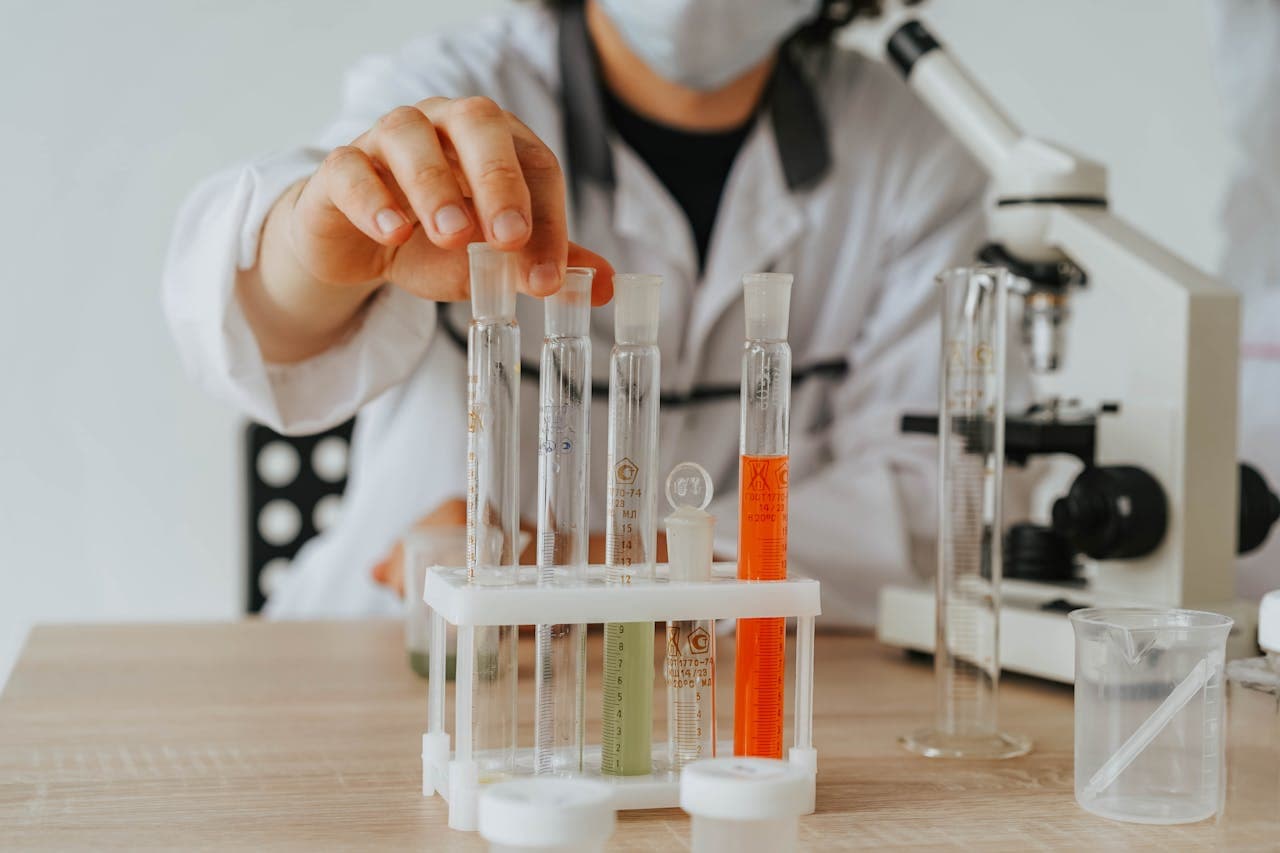
Sample Collection: Collect blood, urine, tissue, or environmental samples, ensuring proper handling and preservation.
Analytical Methods: Use chromatography, mass spectrometry, and immunoassays to identify and quantify substances.
Data Interpretation: Analyse concentration levels, substance characteristics, and interactions with the body or environment.
Report Generation: Summary of findings, including detected substances, concentrations, and implications for health or forensic use.
How to Get a Toxicology Report
To obtain a toxicology report, start by visiting a certified lab or healthcare provider where sample collection (e.g., blood, urine) will be completed. It may be conducted for suspected drug abuse or poisoning. Once the sample is collected, the lab processes it using specialised tests to identify and measure substances.
A toxicology report typically takes 24 hours to 3 weeks, with most completed within a few days. Delays can result from testing backlogs, especially in busy metropolitan labs, or if initial results are inconclusive, requiring further analysis for confirmation.
How to Read a Toxicology Report
Reading a toxicology report also is similar to reading a typical pathology report. However, as mentioned, the terminology and associated results. So, only toxicology-related doctors and medical staff will be able to read a toxicology report. The below instructions apply to reading a general toxicology report.
Identify Test Types: Note the substances or compounds tested, often listed under analytes.
Review Results: Check the detected levels against reference values or limits, which indicate normal or concerning levels.
Evaluate Units: Pay attention to measurement units (e.g., mg/L or ppm) to understand concentrations.
Interpret Toxicity Levels: See if levels fall within safe ranges or exceed limits, suggesting possible toxicity.
Consider Exposure Pathways: Note how the substance entered the body (e.g., ingestion or inhalation).
Review Limitations: Understand any test limitations noted by the lab for context.
Seek Expert Interpretation: If unclear, consult a toxicologist or healthcare professional for guidance.
Difficulties in Toxicology Reporting
Toxicology labs face specific challenges, including regulatory compliance, sample integrity, evolving testing needs, billing complexities, and report interpretation.
- Regulatory Standards: Strict adherence to guidelines like CLIA and DOT is essential.
- Sample Collection: Ensuring sample purity is key, especially in drug abuse testing.
- Adaptability: New substances require advanced testing methods.
- Billing: Changing codes necessitates careful oversight.
- Result Interpretation: Physicians benefit from clear guidance.
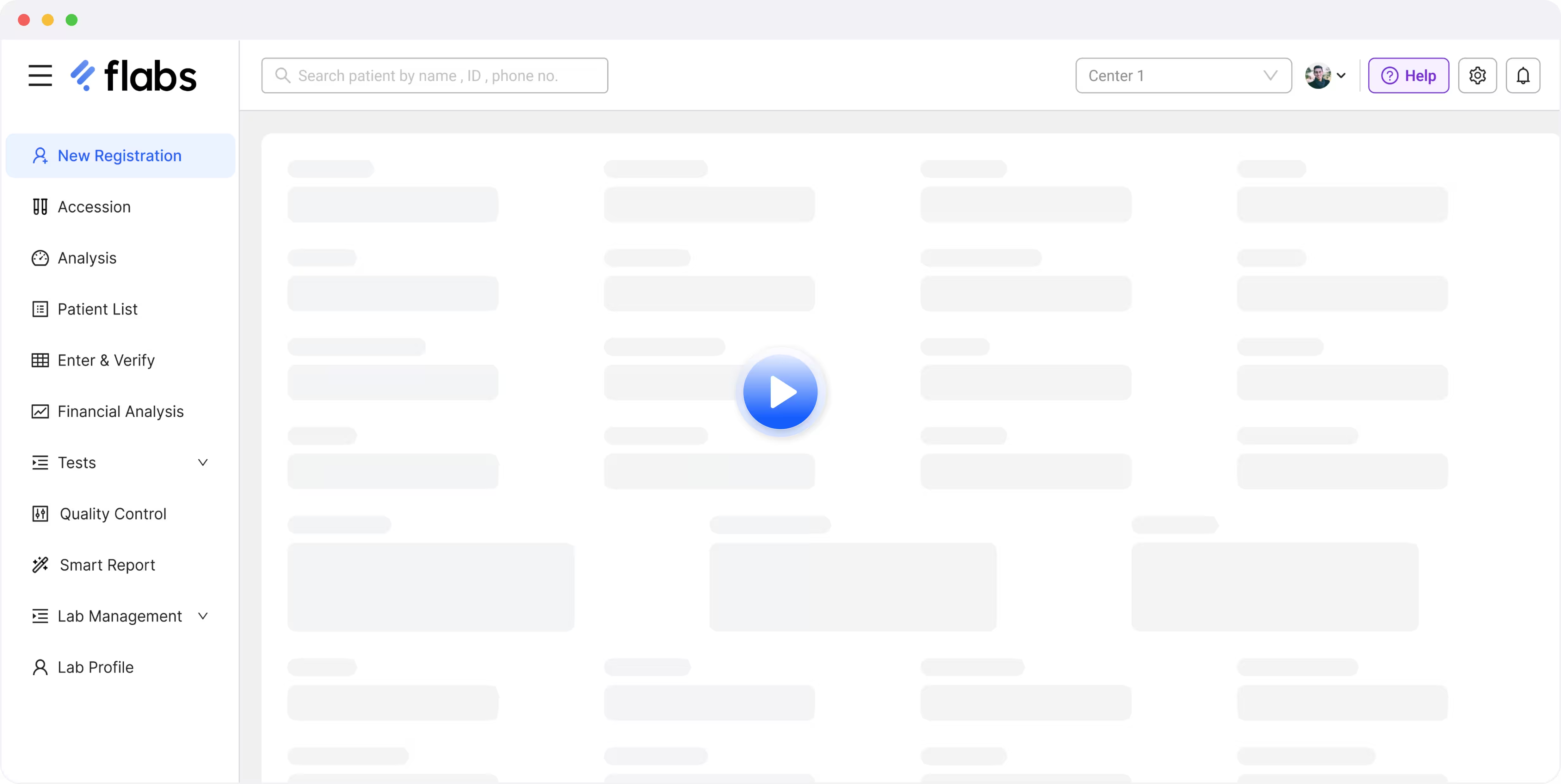
Are you looking to address these? Implementing a Laboratory Information Management System (LIMS) like Flabs and process optimisation can help toxicology labs address these issues effectively.
A well-implemented LIMS works out toxicology reporting by boosting efficiency, accuracy, and consistency in diagnostic labs. Apart from the regular benefits of a LIMS, as a core system, they support faster, more precise toxicology workflows.
Future of Toxicology
New advances in toxicology are transforming testing, making it faster, more cost-effective, and relevant to human health. Key innovations include:
High-throughput Screening (HTS): Quickly tests many compounds with automated tools.
Computational Toxicology: Combines data from various sources to create models that predict adverse health effects of chemicals.
Organ-on-a-chip (OOC): Simulates human organs for realistic toxicity studies.
Systems Toxicology: Analyzes molecular interactions to identify toxicity biomarkers.
Genomics and Transcriptomics: Tracks genetic changes due to toxins, aiding personalised medicine.
Metabolomics: Studies small molecules for precise toxicity prediction models.
Final Word
For toxicology reports, a key yet often overlooked area is their role in preventive health and safety planning. Beyond diagnostic results, toxicology reports can help individuals and organisations proactively address exposure risks by establishing safer work and living environments.
Incorporating regular toxicology monitoring can guide better practices in workplaces, healthcare, and public health initiatives, potentially preventing adverse health outcomes. Readers interested in toxicology reports should consider how they also serve as tools for early detection, risk assessment, and healthier environments.
Get Started at ₹1!
Try Flabs for a full month for just ₹1.
Follow us on