The assessment of heart health is a cornerstone of modern medicine, reflecting the critical role that cardiovascular function plays in overall well-being. Among the myriad of diagnostic tools available, Cardiac Function Tests stand out as a pivotal resource for clinicians and patients alike. These tests offer a window into the heart's efficiency, revealing insights into its capacity to pump blood, the integrity of its electrical conduction system, and the health of its valves. As heart disease continues to be a leading cause of morbidity and mortality worldwide, the importance of accurate, timely evaluation of cardiac function cannot be overstated.
This article embarks on a comprehensive exploration of Cardiac Function Tests, delineating their essence, necessity, and execution. Aimed to deepen your understanding of cardiac health assessment. Through this lens, we will navigate the intricacies of Cardiac Function Tests, unveiling their critical role in the panorama of cardiovascular care.
What Is a Pathology Lab?
A pathology lab, often considered the heart of diagnostic medicine, is a medical laboratory where various biological samples are analysed to diagnose diseases, including heart conditions. Staffed by specialised medical professionals known as pathologists, alongside a skilled team of laboratory technicians, these labs utilise advanced technologies and methodologies to examine specimens such as blood, tissue, and bodily fluids.
The primary objective of a pathology lab is to provide critical data that aids in the understanding of a patient’s health status, guiding clinicians in formulating effective treatment plans. In the context of cardiac health, pathology labs play a pivotal role in performing Cardiac Function Tests. These labs are equipped with sophisticated instruments capable of measuring the heart's performance through various parameters, thereby identifying potential abnormalities or diseases at an early stage. Understanding the operation and significance of pathology labs is essential for comprehending the full scope of Cardiac Function Tests and their impact on diagnosing and managing heart-related conditions.
What Are Cardiac Function Tests?
Cardiac Function Tests encompass a broad range of diagnostic procedures designed to evaluate the performance of the heart. These tests are crucial for detecting heart diseases, assessing the severity of existing conditions, and guiding treatment decisions. At their core, Cardiac Function Tests measure how well the heart pumps blood, the health of the heart muscles, and the functionality of its valves and electrical system. The most common tests include:
Electrocardiogram (ECG or EKG): Measures the electrical activity of the heart, identifying irregular heartbeats or arrhythmias.
Echocardiogram: An ultrasound of the heart that visualises the heart's chambers and valves, assessing their function and structure.
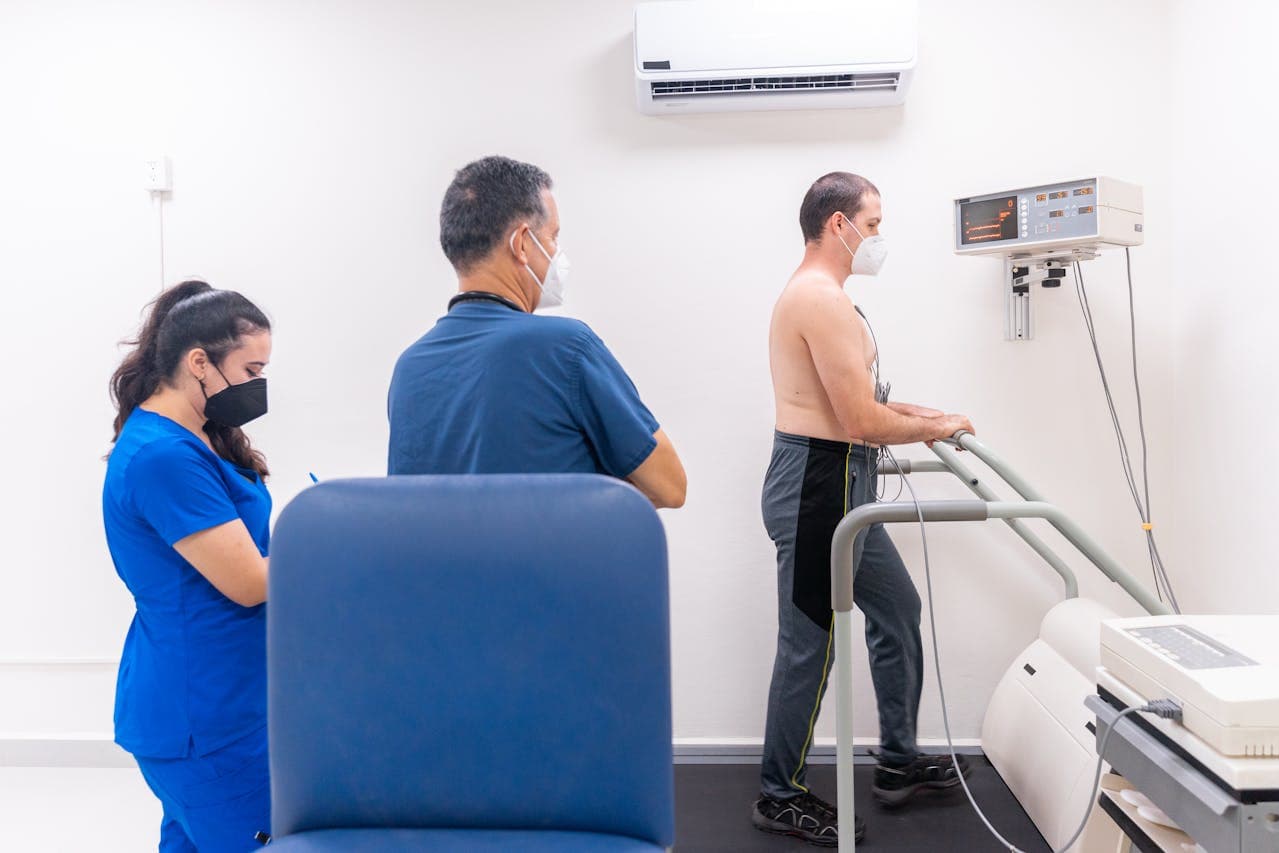
Stress Test: Evaluates heart function under physical stress, usually involving a treadmill or stationary bike, to detect coronary artery disease.
Cardiac Catheterisation: Involves inserting a catheter into the heart's chambers or arteries to evaluate heart function and check for blockages.
Cardiac MRI: Provides detailed images of the heart's structure and function, useful in diagnosing a variety of heart conditions.
Collectively, these tests offer a comprehensive view of the heart's health, enabling healthcare providers to detect issues ranging from minor irregularities to severe heart diseases. They are instrumental in planning appropriate interventions, whether it be lifestyle modifications, medication, or surgical procedures, to address cardiac conditions effectively.
Why Cardiac Function Tests are Needed?
Cardiac Function Tests are indispensable for several reasons, primarily revolving around the early detection, diagnosis, and management of cardiovascular diseases. Given the complexity and critical nature of heart-related conditions, these tests serve as essential tools in a healthcare provider's arsenal for several reasons:
1. Early Detection
Many heart conditions, including coronary artery disease and heart arrhythmias, may initially present with minimal or no symptoms. Cardiac Function Tests can identify these conditions at an early stage, enabling prompt intervention.
2. Accurate Diagnosis
Symptoms like chest pain, shortness of breath, and fatigue can result from a wide range of cardiac and non-cardiac conditions. These tests help pinpoint the exact cause, distinguish between different types of heart diseases and guide the appropriate course of treatment.
3. Assessment of Disease Severity
For patients diagnosed with heart conditions, these tests can assess the severity of the disease, providing vital information on how much the heart's function is impaired.
4. Treatment Planning
The results from Cardiac Function Tests are crucial for determining the most effective treatment plan. They can indicate whether medication, lifestyle changes, or more invasive procedures like surgery are necessary.
5. Monitoring Treatment Efficacy
For patients undergoing treatment for heart disease, these tests are repeated over time to monitor the effectiveness of the treatment and make adjustments as needed.
6. Risk Assessment
In individuals at risk of developing heart diseases due to factors like family history, high blood pressure, or diabetes, Cardiac Function Tests can assess the heart's health and guide preventive measures.
By providing detailed insights into the heart's function and structure, Cardiac Function Tests play a vital role in the comprehensive care of patients with cardiovascular concerns, contributing significantly to improving health outcomes and quality of life.
How to Conduct Cardiac Function Tests?
Conducting Cardiac Function Tests involves a series of steps, tailored to each specific test to ensure accurate assessment of the heart's health. Here's an overview of how these critical diagnostic tests are typically performed:
1. Preparation
The preparation varies depending on the test. For some tests, like treadmill stress tests, patients may be advised to avoid eating, smoking, or drinking caffeinated beverages for a certain period before the test. For others, such as an echocardiogram, no special preparation may be needed.
2. Procedure for Specific Tests
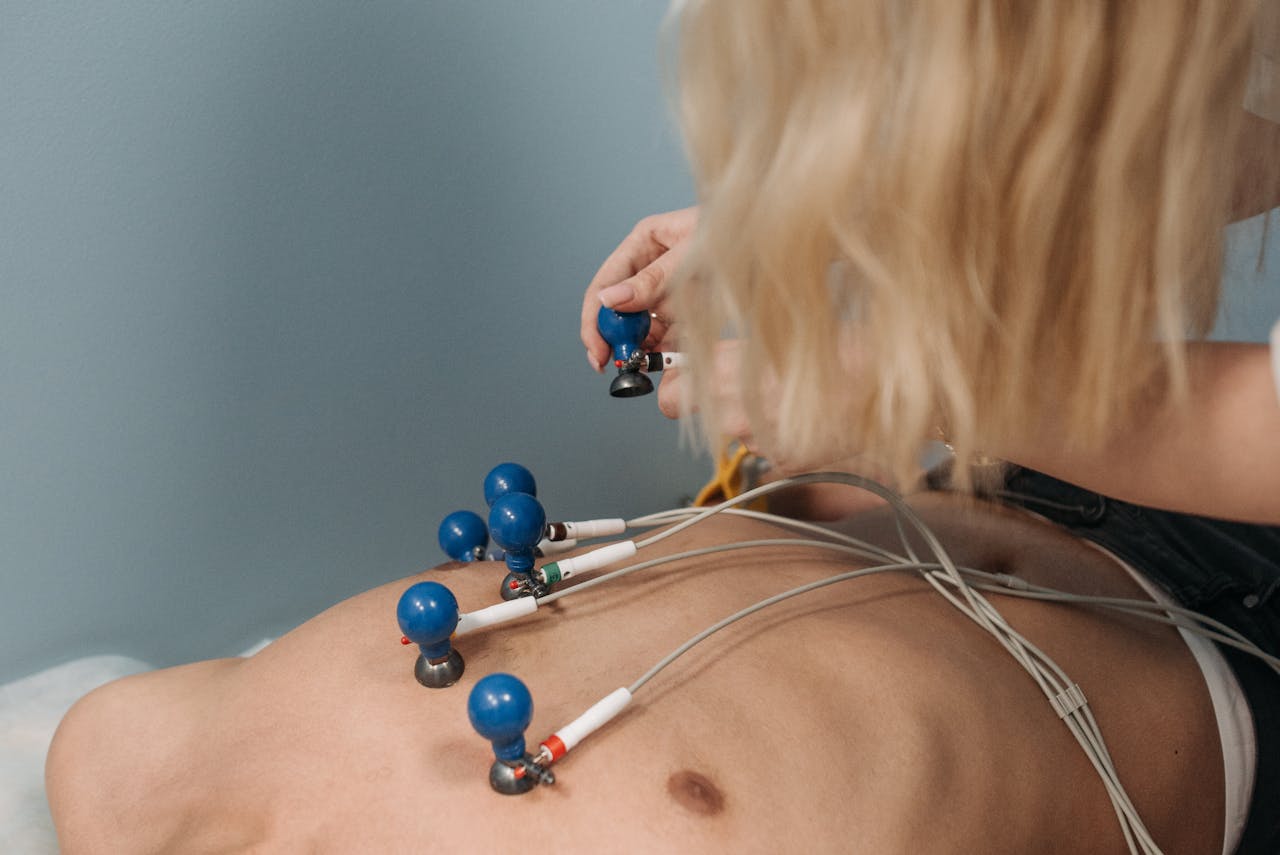
Electrocardiogram (ECG): Patients lie down, and small electrode patches are attached to the skin on the chest, arms, and legs. The machine records the heart's electrical activity for a few minutes.
Echocardiogram: A technician applies a special gel on the chest and then uses a device called a transducer, moved over the chest area, to produce images of the heart's chambers and valves using sound waves.
Stress Test: This involves exercising on a treadmill or stationary bike while heart rate, blood pressure, and ECG are monitored. For those unable to exercise, a medication that mimics the effect of exercise on the heart may be used.
Cardiac Catheterisation: Performed in a hospital, a thin tube (catheter) is inserted into a blood vessel, usually in the groin or wrist, and guided to the heart. Contrast dye is injected through the catheter to visualise the heart's structure and blood flow.
Cardiac MRI: The patient lies inside a large tube-like machine that uses magnetic fields and radio waves to create detailed images of the heart.
3. Post-Procedure Care
Instructions after the test vary. Patients can usually resume normal activities immediately after non-invasive tests like ECGs and echocardiograms. For more invasive procedures like cardiac catheterization, a short hospital stay or rest period may be required.
4. Result Interpretation
A cardiologist or a specialised healthcare provider interprets the results of Cardiac Function Tests. The findings are discussed with the patient during a follow-up appointment, where treatment options or further diagnostic testing may be recommended based on the results.
Conducting these tests requires specialised equipment and trained healthcare professionals. They are critical for diagnosing heart conditions accurately, assessing the severity of cardiac diseases, and guiding effective treatment strategies.
Detailed Process of Cardiac Function Tests
The process of conducting Cardiac Function Tests involves several key steps, each tailored to ensure the comprehensive assessment of heart health. The process typically unfolds as follows:
1. Patient Consultation and Evaluation
Initial assessment by a healthcare provider to determine the need for Cardiac Function Tests based on symptoms, medical history, and risk factors.
2. Test Selection
Choosing the appropriate cardiac function test (s) based on the individual's specific health concerns and the information needed.
3. Preparation for the Test
Providing the patient with detailed instructions on how to prepare for the test, which may include dietary restrictions, medication adjustments, and clothing to wear.
4. Conducting the Test
Electrocardiogram (ECG): Quick and non-invasive, involving electrodes attached to the skin to measure the heart’s electrical activity.
Echocardiogram: Utilises ultrasound technology to create images of the heart’s structure and check for abnormalities.
Stress Test: Monitors the heart’s activity during physical exertion or medication-induced stress.
Cardiac Catheterisation: Involves inserting a catheter into the heart via a blood vessel to take measurements and possibly treat blockages.
Cardiac MRI: Uses magnetic resonance imaging to produce detailed images of the heart.
5. Monitoring During the Test
Continuous observation of the patient’s vital signs and comfort levels throughout the testing process.
6. Post-Test Care
Instructions are provided for any necessary post-test care, especially for invasive tests like cardiac catheterisation, which may require observation or rest.
7. Result Analysis and Reporting
The collected data is analysed by a cardiologist or a specialised healthcare professional to interpret the results.
8. Follow-up Consultation
Discussion of the test results with the patient, including any findings and recommended next steps or treatment plans.
This structured approach ensures that Cardiac Function Tests are conducted safely and effectively, providing crucial insights into the patient's cardiac health and guiding subsequent care decisions.
Conclusion
Cardiac Function Tests are indispensable tools in the realm of cardiovascular care, offering invaluable insights into the heart's health and functioning. These tests, ranging from non-invasive procedures like electrocardiograms and echocardiograms to more involved techniques such as cardiac catheterisation, equip healthcare professionals with the data necessary to make informed decisions regarding diagnosis, treatment planning, and monitoring of heart conditions.
The process of conducting these tests is meticulous, requiring careful preparation, precise execution, and expert interpretation of the results. It underscores the importance of a collaborative approach between patients and healthcare providers, where effective communication and understanding play pivotal roles in ensuring optimal outcomes.
As advancements in medical technology continue to evolve, the scope and accuracy of Cardiac Function Tests are expected to expand, further enhancing their utility in diagnosing and managing heart diseases. It's a field marked by constant innovation, where the integration of new diagnostic modalities promises to improve patient care and heart health outcomes significantly.
Get Started at ₹1!
Try Flabs for a full month for just ₹1.
Follow us on