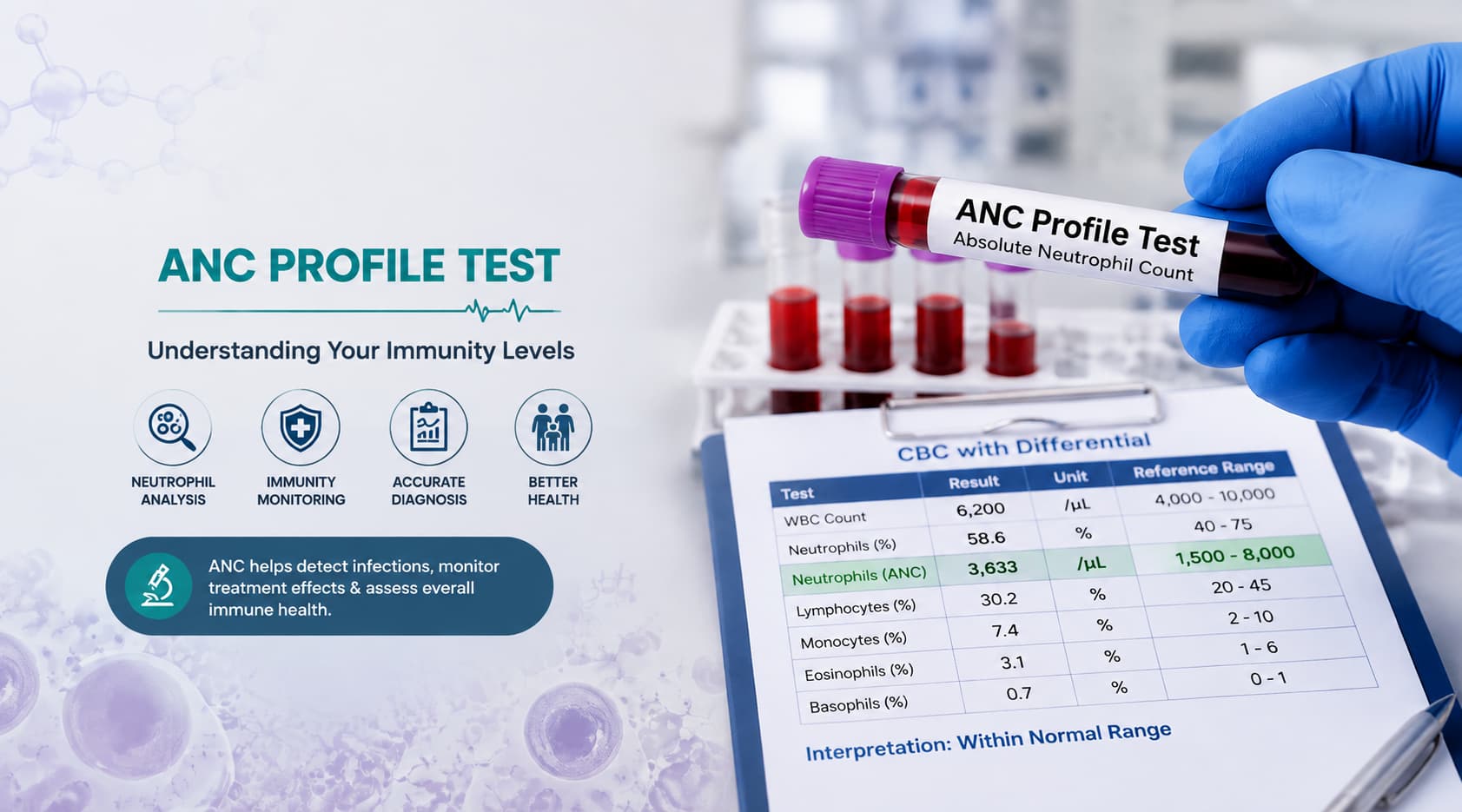
Blood tests play an indispensable role in the realm of medical diagnostics, offering a window into the complex workings of the human body. Among these, the Complete Blood Count (CBC) with Erythrocyte Sedimentation Rate (ESR) test stands out as a comprehensive analysis tool. This guide aims to demystify the CBC with ESR test, shedding light on its significance, components, and the invaluable insights it provides into an individual's health.
This article offers a deep dive into understanding the CBC with ESR test. From its fundamental principles to the interpretation of results, we will explore why these tests are conducted, what high results may indicate, and the symptoms they help diagnose. This comprehensive overview is designed to inform healthcare professionals and patients alike, enhancing their knowledge and understanding of this essential blood analysis tool.
What Is ESR Test Blood Test?
The Erythrocyte Sedimentation Rate (ESR) test, often known simply as the sedimentation rate or sed rate, is a blood test that measures how quickly erythrocytes (red blood cells) settle at the bottom of a test tube that contains a blood sample. Typically, red blood cells settle relatively slowly. A faster-than-normal rate may indicate inflammation in the body. Inflammation can be caused by a variety of conditions, including infections, autoimmune diseases, and cancers.
The ESR test doesn't diagnose a specific disease. Instead, it helps to determine the presence of inflammation and, when combined with other tests and clinical assessments, can guide further diagnostic evaluation. The test's simplicity, low cost, and minimal invasiveness make it a commonly used tool in clinical practice. However, it's important to note that the ESR test is non-specific, meaning it cannot pinpoint the exact cause of inflammation. Therefore, it's often used in conjunction with other tests to provide a more comprehensive overview of a patient's health status.
What Is CBC in Blood Test?
A Complete Blood Count (CBC) is a foundational blood test used to evaluate your overall health and detect a wide range of disorders, including anaemia, infection, and even leukaemia. The CBC measures several components and features of your blood, including:
- Red Blood Cells (RBCs) carry oxygen from your lungs to the rest of your body and bring carbon dioxide back to your lungs to be exhaled.
- White Blood Cells (WBCs), which fight infection and are part of your body’s immune system.
- Haemoglobin is the oxygen-carrying protein in red blood cells.
- Haematocrit is the proportion of red blood cells to the fluid component, or plasma, in your blood.
- Platelets, which help with blood clotting.
Each of these components offers valuable insights into the patient's health status, providing clues to medical conditions that require further investigation or immediate treatment. For instance, a high WBC count may indicate an infectious process or, less commonly, a blood disorder such as leukaemia. Conversely, a low RBC count suggests anaemia, affecting the blood's capacity to carry sufficient oxygen to the body's tissues.
The CBC is a comprehensive test that, due to its breadth, plays a crucial role in the diagnosis and monitoring of diseases. It's frequently one of the first tests ordered by doctors when illness is suspected, as it can provide an immediate snapshot of a person's health and give direction for further testing if necessary.
What Is CBC with ESR Test?
A CBC with ESR test, which stands for Complete Blood Count with Erythrocyte Sedimentation Rate, is a blood test that provides valuable information about the number and quality of different blood cells, along with measuring the rate at which red blood cells settle in a test tube. This test helps in diagnosing various conditions related to inflammation, autoimmune diseases, infections, and blood disorders.
| Component | Description | Significance |
|---|---|---|
| Complete Blood Count (CBC) | A comprehensive blood test that includes:
|
Provides a snapshot of overall health and detects a wide range of disorders, including anaemia, infections, and blood cancers. |
| Erythrocyte Sedimentation Rate (ESR) | Measures the rate at which red blood cells sediment in a period of one hour. | Indicates the presence of inflammation in the body, which can be associated with various conditions. |
This table provides a basic overview of how CBC and ESR tests are combined to offer a comprehensive analysis of blood health, aiding in the diagnosis and monitoring of conditions that affect blood cells or are associated with inflammation.
Explaining the Need for CBC with ESR Test
The combination of a Complete Blood Count (CBC) with an Erythrocyte Sedimentation Rate (ESR) test is a powerful diagnostic tool that offers a broad perspective on an individual's health, particularly in terms of the immune system and blood health. This combined approach is essential for several reasons:
Comprehensive Health Assessment
The CBC provides detailed information about the different cells in the blood, including red blood cells, white blood cells, and platelets. Each of these components plays a critical role in bodily functions, such as oxygen transport, immune response, and blood clotting. The ESR test adds to this picture by indicating the presence of inflammation, which can be a sign of infection, autoimmune diseases, or other medical conditions.
Diagnostic Clarity
While many diseases can present with similar symptoms, the CBC with ESR test can help narrow down the possible causes by identifying abnormalities in blood cell counts and signs of inflammation. This makes it easier for healthcare providers to decide on further testing or treatment plans.
Monitoring and Management
For patients already diagnosed with chronic conditions, such as rheumatoid arthritis or inflammatory bowel disease, the CBC with ESR test is invaluable for monitoring disease activity and response to treatment. Changes in ESR levels, for instance, can indicate flare-ups or remission, guiding adjustments in therapy.
Preventive Care
In some cases, the CBC with ESR test can detect health issues before symptoms become apparent. Early detection is crucial for many diseases, allowing for timely intervention and better management.
Symptoms of High CBC and ESR in the Body
High results in both CBC (Complete Blood Count) and ESR (Erythrocyte Sedimentation Rate) tests can signal various conditions, each with its own set of symptoms. A high ESR may indicate inflammation in the body, which is a common immune response to illness or injury. However, ESR levels alone don't specify the cause or location of the inflammation. When combined with high CBC results, particularly elevated white blood cell counts, it suggests a more robust immune response, potentially pointing to infections, autoimmune diseases, or inflammatory conditions.
Symptoms associated with high CBC and ESR values can vary widely depending on the underlying condition but may include:
- Fever and Chills: Often a sign of infection or inflammation.
- Fatigue: A common symptom in chronic inflammation or infection.
- Joint Pain and Stiffness: Seen in conditions like rheumatoid arthritis or systemic lupus erythematosus.
- Unexplained Weight Loss: Can occur in chronic diseases or cancers.
- Night Sweats: Associated with some infections and cancers.
- Skin Rashes or Swellings: May indicate autoimmune conditions.
It's crucial to understand that these symptoms are non-specific and can be associated with a wide range of health issues. Therefore, elevated CBC and ESR results necessitate further investigation to determine the exact cause. Healthcare providers typically conduct additional tests and a thorough clinical assessment to diagnose the underlying condition accurately.
Conclusion
The Complete Blood Count (CBC) with Erythrocyte Sedimentation Rate (ESR) test is a critical component in the toolkit of medical diagnostics, offering a comprehensive glimpse into the body's current state of health. The CBC provides detailed information about the blood cells that are vital for carrying oxygen, fighting infections, and clotting blood. At the same time, the ESR test adds another layer of insight by indicating the presence of inflammation, which can be a marker for a variety of conditions. Understanding these tests and their results is essential for diagnosing and monitoring diseases, guiding treatment decisions, and assessing patient health.
Although neither test specifies the exact cause of abnormalities, together, they provide a powerful starting point for further investigation. High levels of ESR, when considered alongside the detailed data from a CBC, can direct healthcare providers toward underlying issues requiring attention, whether they be infections, autoimmune diseases, or other inflammatory conditions.
In conclusion, the CBC with ESR test is an invaluable diagnostic tool, essential for detecting hidden health issues, monitoring known conditions, and ultimately guiding the course of treatment. For patients and healthcare providers alike, knowledge of these tests and what their results entail plays a crucial role in navigating the path toward optimal health and well-being.
Suggested read - ESR Test for Cancer and ESR Report Format
Get Started at ₹1!
Try Flabs for a full month for just ₹1.
Follow us on