A fistulogram X-ray is a crucial diagnostic tool for evaluating fistulas, abnormal connections between blood vessels or organs. It provides detailed insights into the structure and function of a fistula, helping medical professionals identify blockages, determine their severity, and pinpoint their exact location.
By injecting a contrast dye into the fistula and capturing real-time images, a fistulogram reveals critical information that guides effective treatment planning. This procedure is particularly valuable for patients experiencing symptoms like high venous pressures during dialysis or the absence of a thrill. Let’s explore the fistula scan test in a bit more detail.
What is a Fistulogram
A fistulogram test is an x-ray procedure that uses fluoroscopy. It involves a special dye to look at the abnormalities in the blood flow of a fistula. Fistulograms can reveal any abnormal narrowings, enlargements, and blocked veins or arteries. The information provided by a fistulogram test helps doctors to develop a treatment plan without performing invasive procedures. Moreover, fistulogram x-ray has minimal side effects and presents a very less risk of infection.
When do you Need a Fistulogram X-Ray
You might be experiencing symptoms indicating a blockage in your fistula.
For instance:
- A blockage can cause high venous pressures during dialysis.
- If you can't feel a thrill (the sensation of blood flowing through the fistula), it may be completely blocked.
- The blood vessels connected to the fistula receive higher blood flow and pressure, which can lead to scar tissue formation that narrows the fistula or blood vessels.
A fistulogram x-ray can precisely identify the location of the blockage in the artery or vein, severity of the blockage, and cause of the blockage.
Fistulogram X-Ray Procedure
Preparation
Preparation for a fistulogram test can vary from person to person. Your physician may suggest accordingly. For some people, X-ray dye and medication can cause nausea, so fasting may be necessary for at least 8 hours before the test. Liquid food intake must be stopped before 2 hours of the procedure.
Let your doctor or radiologist know if you take Glucophage, insulin or a blood thinner to help them adjust your dosage. Inform about your medications to your doctor and any allergies to contrast materials used in the x-ray. Also, bring an adult along to drive you back home after the procedure.
During X-Ray
You may have to change into a hospital gown. If you have any metal objects, jewellery on your body, you will be asked to remove them to reduce the risk of radiation.
- You will lie on your back on the x-ray table.
- Sedatives or painkillers may be administered via a needle in your arm.
- Vital signs (blood pressure, pulse, oxygen intake) will be monitored.
The area around the fistula formation will be cleaned with antiseptic solution. - A local anaesthetic will be injected.
- The radiologist will guide a fine plastic tube (catheter) into the artery or vein using a needle and guide wire.
- The radiologist will monitor the progress by injecting x-ray dye (contrast medium) through the catheter.
- Once the required information is obtained, the radiologist will remove the catheter.
- Pressure will be applied over the puncture site for 10 minutes to prevent any bleeding.
- You may feel slight discomfort when the local anaesthetic is injected, but it will not last long.
- As the x-ray dye passes around your body, you may feel a warm sensation, which some people find a little unpleasant, but this soon passes and should not concern you.
After Procedure
The fistulogram x-ray takes about 30 minutes. After the x-ray, you will return to the ward and remain there for a short-time. You may be asked to stay in bed for an hour to carry out routine checkups like blood pressure, pulse, etc. Your puncture site may be checked for any bleeding.
You can return home on the same day. However, there can be some restrictions on your activities for up to 24 hours after the fistulogram x-ray. You can also continue your normal diet and medication routine after the procedure.
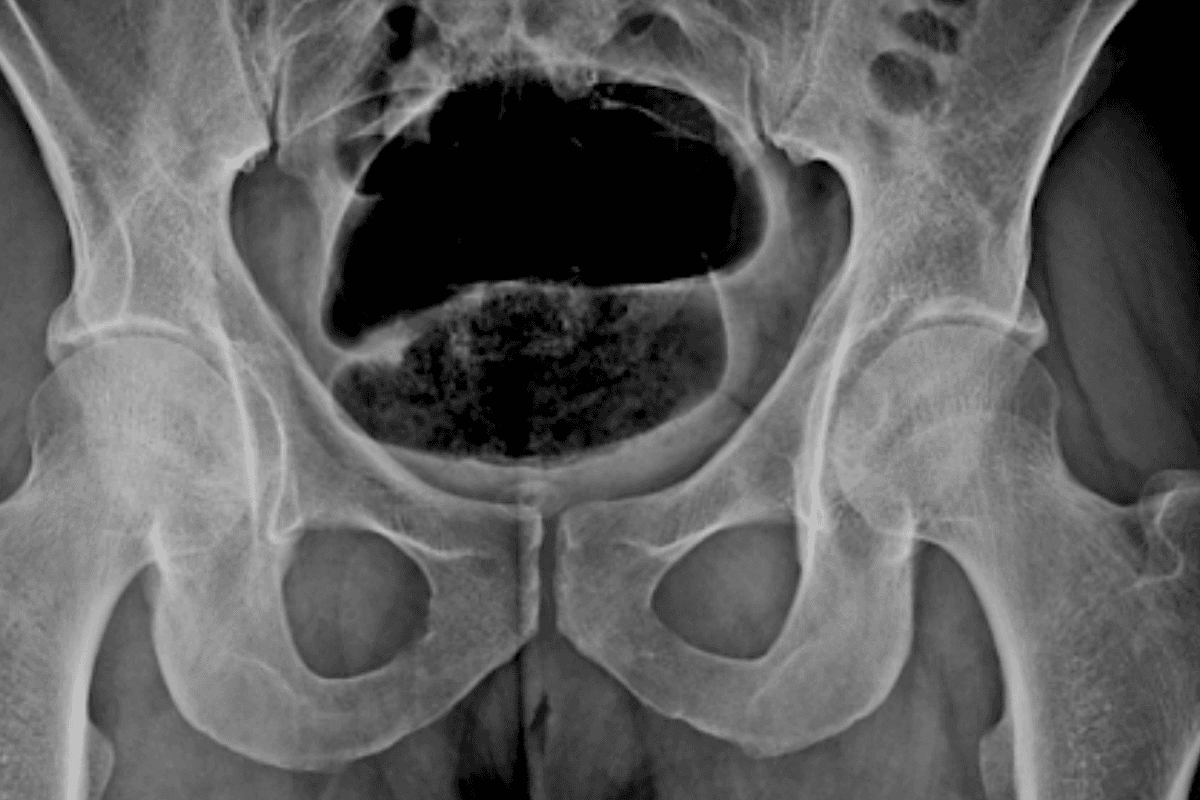
A Fistulogram X-Ray
Benefits vs Risks of Fistulogram Test
| Benefits | Risks |
|---|---|
| Provides enough information to avoid more invasive procedures. | Slight chance of cancer from excessive radiation exposure, though very low. |
| Offers precise information to help doctors develop the best treatment plan. | Women should inform their doctor if they are pregnant due to potential risks. |
| Delivers real-time images for immediate evaluation. | Rare allergic reactions to contrast material (rash, hives, itching, nausea, fainting, shortness of breath). |
| No radiation remains in the body after the exam. | Minor bleeding from the fistula/sinus may occur shortly after the procedure. |
Other Methods to Diagnose Fistula
While fistulogram test is the most popular method of diagnosis for a fistula, there are other methods for deeper insights into the complexity of the condition:
- CT scan
- Physical exam
- Colonoscopy
- Anorectal ultrasound
- Upper endoscopy
- Anorectal manometry
Conclusion
A fistulogram X-ray is an essential, minimally invasive tool for diagnosing fistula blockages, offering real-time images and precise details. It helps medical professionals create effective treatment plans, ensuring optimal patient care while minimising risks and discomfort associated with more invasive procedures. Prioritise early detection for better health outcomes.
Related read: Dorsal Spine X-Ray
Get Started at ₹1!
Try Flabs for a full month for just ₹1.
Follow us on