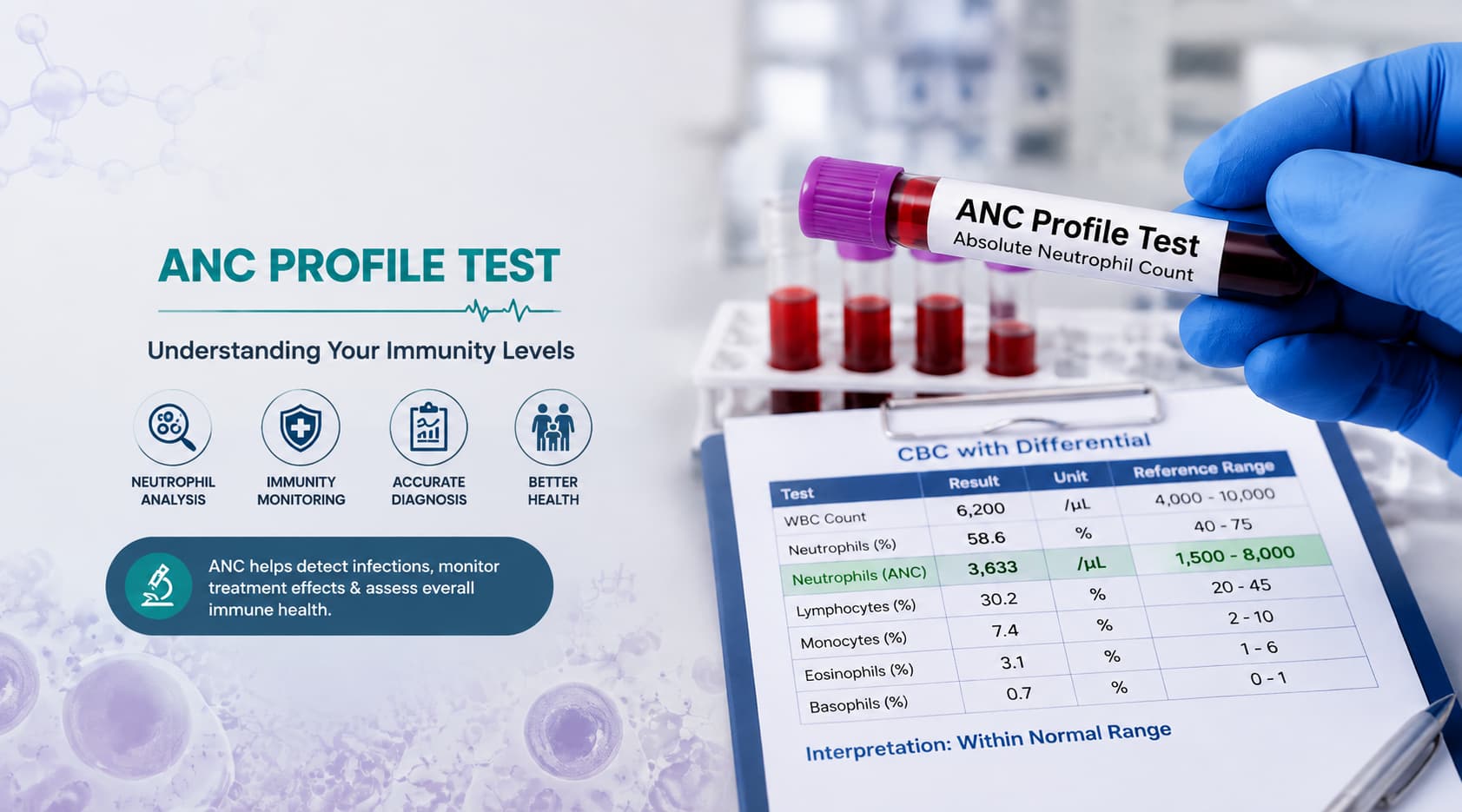
sePathology is a cornerstone of diagnosis and patient care in the medical field globally. India is on the brink of a transformation in this critical field with its vast population and an ever-increasing burden of diseases. As pathology laboratories nationwide diligently work to navigate through a sea of changes, the future of pathology in India promises a blend of innovations, challenges, and opportunities.
With technological advancements and the integration of digital methodologies, India's pathology sector is poised to leapfrog into a future where accuracy meets efficiency. However, regulatory complexities, gaps in the supply of skilled personnel, and the quest for affordability in diagnostics continue to challenge the future of pathology in India. Let's delve into them step-by-step.
Pathology for Healthcare
Pathology is the single-most bridge that decides a patient's healing speed and quality. Diagnosis of diseases like cancer is desperately dependent upon quality pathology services. By examining tissues, cells, and bodily fluids, pathologists diagnose illnesses, guide treatment decisions, and track the progression of diseases.
Through early detection and detailed insight into disease mechanisms, pathology enhances treatment efficacy, aids in preventing illness, and ultimately saves lives.
India has about 3 lakh medical diagnostic laboratories but only 5,500 qualified pathologists.
Just as the world struggles with a shortage of qualified pathologists, the rising population presents an insurmountable challenge to the future of pathology in India.
Innovations Reshaping the Future of Pathology in India
While AI, Machine Learning and Data analytics have already found their way in the Indian pathology industry, there are some more trends set to redefine the field.
Virtual Autopsy: It is a method that uses imaging technology to check a body without cutting into it. So experts can figure out why someone died without making incisions. Virtual autopsies cost less, are speedy and are simpler to do. As the technology gets better, it might become the main way of the future of pathology in India to find out the cause of death.
Molecular pathology and Genomics: It represents a new area of technology that helps diagnose diseases by studying genes through DNA sequencing. It finds gene changes linked to illness, leading to new tests and treatments. Molecular pathology is becoming key in the future of pathology in India for diagnosing cancer and other conditions.
Forensic Pathology: Forensic pathologists team up with the police to look into questionable deaths and murders. They apply their understanding of the human body and forensic techniques to figure out the cause of death. It holds enormous potential in the future of pathology in India to crack cases involving death and help the victims' families find justice.
Digital Pathology: Digital pathology uses computer tech to look at body parts. Doctors can check out slides on screens, saving time and making it easy to show others. They can also tweak the pictures to see things better, which helps them make the right call.
More and more, it is preferred over old-school microscopes. Digital pathology is crucial to the future of pathology in India, given the gap in the supply of qualified pathologists in proportion to the population.
Genomics: The future of pathology in India with genomics enables customisation in treatments. Genomics explores all the genes within a person's DNA. Doctors now use the information to learn more about illnesses and create custom therapies. Genomics is also helping to find new methods for disease screening, like cancer.
Also read: Lung cancer pathology
Challenges Hindering the Future of Pathology in India
Challenges hampering the future of pathology in India must be identified for any solution. Some of the pressing concerns are given below.
- Lack of adequate infrastructure in rural areas and remotest parts of the country, leading to delayed diagnosis, underdiagnosis and quick access to healthcare.
- Lack of qualified pathologists in proportion to the increasing population and growing complexity of diseases.
- Prolonged amount of time to become a pathologist in India. Often, it takes ten years or more to become a well-qualified pathologist in India.
- Conservatism in transitioning to digital pathology services requires upskilling the existing human resources.
- Data generated from patient samples, clinical information, and image-based diagnostics pose management challenges, including data security.
- Lack of awareness among the rural population.
Opportunities for Growth and Improvement
Despite the challenges, the future of pathology in India is full of opportunities if only we take the initiative proactively. These opportunities also have solutions to tackle the challenges and set on a new era of pathology services in India.
Public-Private Partnerships
Public-private partnerships (PPP) have emerged as a viable model for improving pathology services, leveraging the strengths of both sectors to achieve a bright future for pathology in India. Sharing expertise, financial resources, and innovative technologies, leading to more proficient diagnostic capabilities and increased access to quality pathology services, do PPPs grant boons for the future of pathology in India?
By fostering an environment where the public sector's regulatory framework and the private sector's efficiency converge, PPPs have the potential to address resource gaps, streamline service delivery, and spur advancements in pathological research and methodologies, ultimately benefiting patient care and public health systems alike.
International Collaboration
Fostering international collaboration can play a pivotal role in the future of pathology in India by leveraging global best practices for enhanced patient care. From sharing innovative diagnostic techniques, cutting-edge research, and management strategies to supplying quality pathologists, it is highly promising.
It facilitates the standardisation of quality care and fosters a culture of continuous learning and adaptability. Such synergies, grounded in mutual learning and respect, are pivotal in advancing the future of pathology in India to improve patient care worldwide.
Government Initiatives and Policy Support
Governments can play a crucial role in the future of pathology in India by launching initiatives and policy measures to bolster the effectiveness and efficiency of these facilities. Governments can play an active role, from investing in state-of-the-art equipment to implementing national health IT systems that streamline diagnostic data to investing in public pathology centres and reaching out to rural areas.
- Training programmes for pathologists and lab technicians.
- Regularly update regulatory frameworks to maintain high standards for laboratory practices.
- Encouraging timely and accurate disease diagnosis for effective treatment and public health strategies.
Suggested read: Role of AI in Pathology
Conclusion
As we have gone through the evolving future of pathology in India, it is clear that the field is at a critical juncture. With cutting-edge technologies and digital integration at our fingertips, the sector stands ready to transform patient care through enhanced precision and efficiency. Yet, the path forward is lined with hurdles, including regulatory complexities.
Addressing these challenges is essential to realising the full potential of India's pathology services. As we continue to chart the future of this vital medical science, the balance of innovation, challenges, and opportunities will undoubtedly shape the future of pathology in India.
Related : How to become MD in Pathology
Get Started at ₹1!
Try Flabs for a full month for just ₹1.
Follow us on