Affordable care is not only about lower prices. It is also about predictable billing, faster referrals, broader reach, and a clear route from consultation to diagnosis to treatment. For pathologists, lab leaders, and healthcare administrators, empanelment under a public payer network can shape all of those outcomes.
The Central Government Health Scheme has served central government employees, pensioners, and other eligible groups for more than six decades. CGHS says it now covers around 42 lakh beneficiaries across 80 cities and offers OPD care, specialist referral, tests, indoor treatment, medicines, and cashless treatment for pensioners and other beneficiaries.
CGHS Empanelment Expands Access At Lower Cost
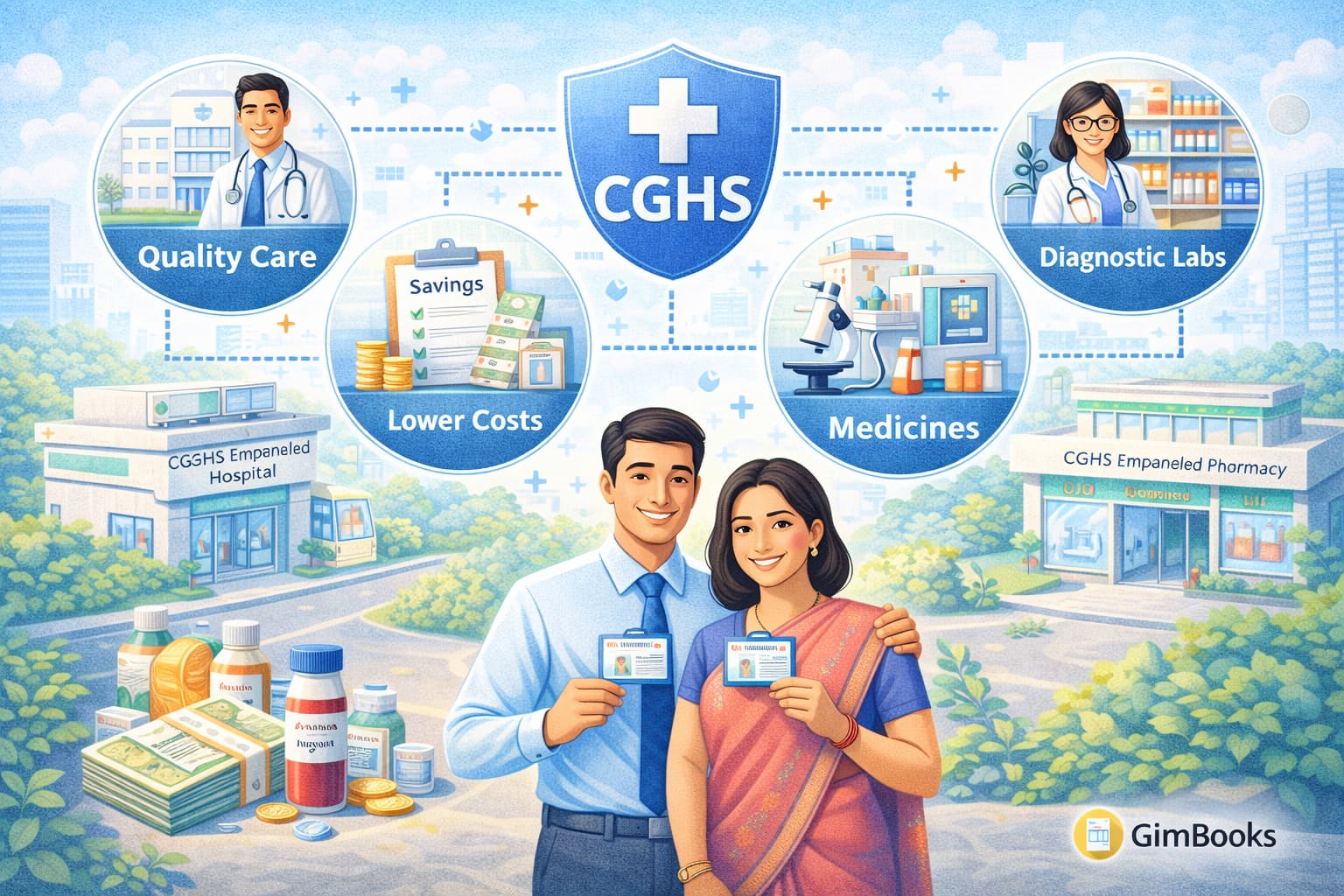
For a hospital or medical lab, CGHS Empanelment creates a direct link to a large, defined beneficiary base.
For patients, CGHS Empanelment reduces friction at three points:
- Finding an approved facility,
- Receiving services at notified rates, and
- Using a cashless pathway in eligible cases.
From a provider standpoint, CGHS empanelment is not only an administrative badge. It indicates that a facility is ready to operate inside a structured reimbursement and quality framework. When a patient enters a networked facility with a valid referral and entitlement, cost uncertainty drops. For pensioners and other eligible groups using cashless care, out-of-pocket stress falls even further.
For pathology and diagnostics, CGHS empanelment also improves continuity of care. A patient can move from a wellness centre or specialist referral to an approved lab without a pricing shock or a search for an unknown provider. For clinicians, that means fewer delays between prescription and investigation. For labs, it means a more stable referral stream tied to standardised packages and notified rates.
Why Affordability Improves After Empanelment
- Notified package rates and investigation rates.
- Access to cashless treatment for eligible beneficiaries.
- Referral-led movement across approved facilities.
- Published empanelled lists that reduce confusion.
That is why CGHS empanelment has a direct effect on access. It does not reduce price in isolation; it creates a system where price, referral, and provider eligibility move in sync.
What Patients And Providers Gain
| Area | Impact on beneficiaries | Impact on providers |
|---|---|---|
| Pricing | Treatment and tests align with notified rates, e.g., check out the CGHS revised rate list . | Billing becomes more standardised |
| Access | Easier discovery of approved facilities, including CGHS Empanelment hospitals and medical labs | Larger addressable patient base |
| Cash flow at the patient level | Pensioners and other identified groups can use cashless care at empanelled centres | Faster patient conversion from referral to service |
| Care continuity | Smooth movement from consultation to diagnostics to treatment | Better integration with referring clinicians |
| Trust | Government-listed facilities carry stronger confidence | Empanelment supports institutional credibility |
The Network Model Improves Real-world Access
CGHS publishes searchable empanelled hospitals and labs and also publishes city-wise lists of empanelled healthcare organisations.
In practice, that means a beneficiary can identify approved providers in the relevant city instead of searching a fragmented private market. For administrators, public visibility supports patient acquisition without broad retail marketing.
The scheme also links access with entitlement. Bed category and billing can depend on CGHS ward entitlement. It gives providers a defined framework for room categories and related charges.
That structure matters because affordability fails when tariff rules are vague. A defined entitlement model reduces disputes and keeps patient expectations aligned with approved billing pathways.
For pensioners, the experience becomes smoother when referral, entitlement, and empanelled status are already aligned. Even steps like the CHS application form for pensioners are inside a larger access model: enrolment first, approved network next, then treatment and testing at recognised rates.
What Labs Should Pay Attention To
For diagnostics, the access story is closely tied to quality assurance. Many city-wise CGHS empanelled lists identify medical labs and also note accreditation status, e.g., NABL or non-NABL, while some entries explicitly show labs marked as NABL.
That matters to referring doctors and administrators because quality indicates influence on referral confidence, audit readiness, and long-term payer relationships.
That is why CGHS empanelment matters so much for NABL labs and for pathology labs in India
A lab with NABL accreditation enters payer conversations with a stronger compliance position, a clearer quality narrative, and better alignment with hospital expectations. In markets where public and semi-public patient flows matter, CGHS empanelment can shift a lab from episodic walk-in dependence to referral-driven.
At the same time, labs should not treat CGHS empanelment as a one-time paperwork exercise. Operational readiness matters just as much as approval status. Turnaround time, rate mapping, documentation discipline, referral handling, and billing accuracy all shape how well a lab performs after onboarding.
Operational Areas
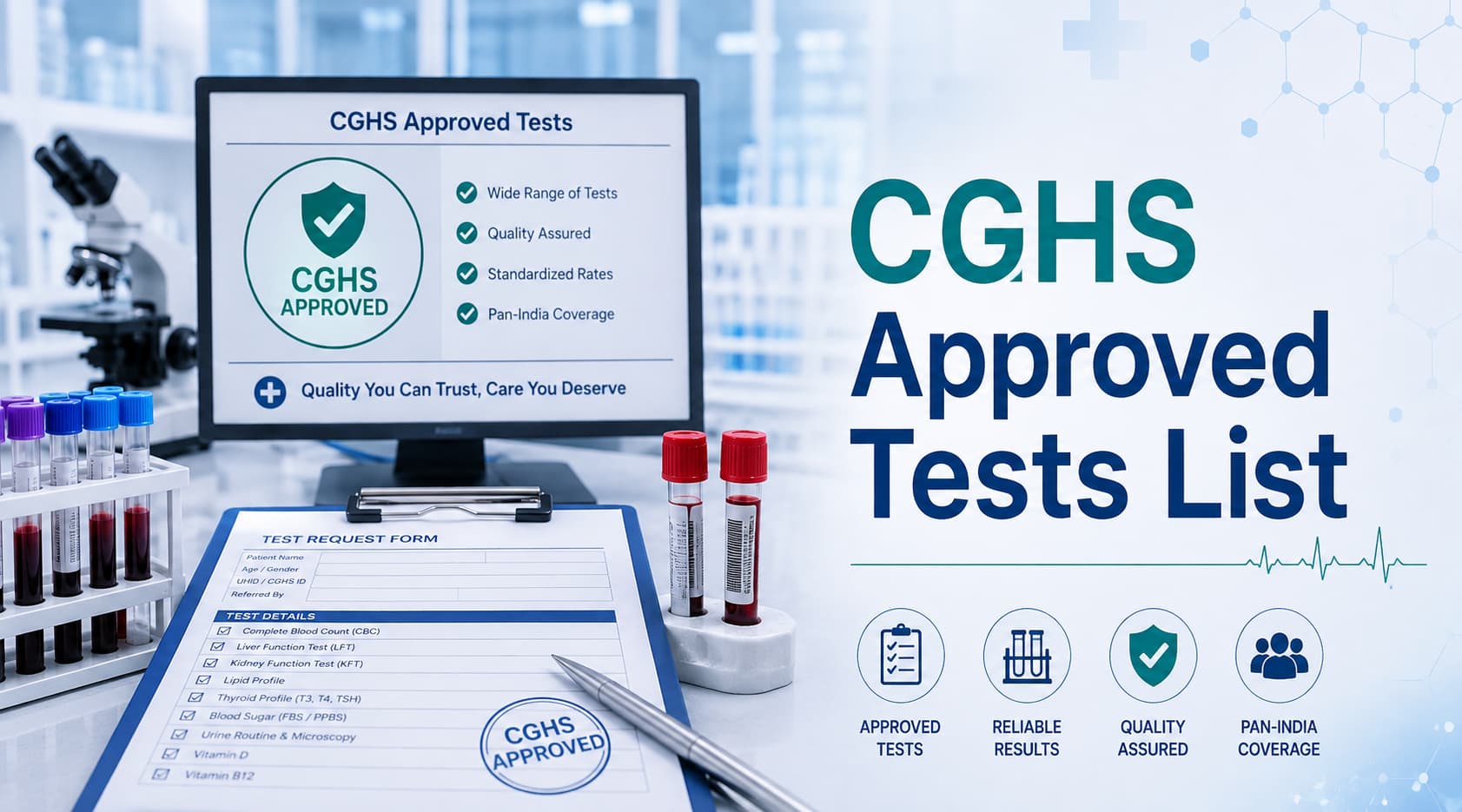
- Test menu alignment with CGHS-approved lab tests.
- Rate mapping against the CGHS revised rate list.
- Documentation for referrals and beneficiary validation.
- Billing workflow for entitlement-linked cases.
- Internal quality systems tied to NABL accreditation.
- City-level demand from nearby wellness centres, hospitals, and specialists.
What Providers Should Know Before Applying
The CGHS empanelment process is best approached as a compliance and operations project, not only a business development task. CGHS maintains public information on empanelled hospitals and labs, referral procedures, tests and treatment procedures, and rate-list search tools on its official platform. That shows how tightly empanelment connects with policy, documentation, and service delivery.
In practical terms, the CGHS empanelment criteria for a lab or hospital should be reviewed alongside service scope, accreditation, infrastructure, staffing, and claims-readiness.
A provider may qualify on paper yet still struggle if front-desk staff cannot validate beneficiary details or if billing teams cannot map services to approved rates. For a growing centre, CGHS empanelment delivers its best return when clinical, admin, finance, and IT teams move together.
For multi-speciality groups, CGHS empanelment also strengthens cross-referral economics. An empanelled hospital with an aligned diagnostic arm can keep more of the care journey within a single governed pathway. That model works well for high-volume specialities, chronic disease follow-up, pre-procedure tests, and post-discharge.
Why It Matters
CGHS describes its mission as encompassing preventive, promotive, curative, and accountable services, as well as financial risk protection. That policy direction matters shows that the scheme is not limited to episodic treatment; it supports a broader continuum of care.
For healthcare leaders, the takeaway is simple. CGHS empanelment improves access to affordable healthcare by reducing price uncertainty, widening network, enabling cashless care. It links patients to approved hospitals and labs inside a structured reimbursement model.
For pathologists and diagnostic operators, CGHS empanelment can also strengthen referral quality, institutional trust, and sustainable volume growth.
When providers align compliance, quality, and patient flow, affordability stops being a slogan. It becomes part of daily care delivery through the central government health scheme dispensary & health scheme ecosystem.
Explore More
Common Diagnostic Tests Covered Under CGHS and Their Benefits
Why Government Employees Prefer CGHS-Linked Diagnostic Labs
Get Started at ₹1!
Try Flabs for a full month for just ₹1.
Follow us on