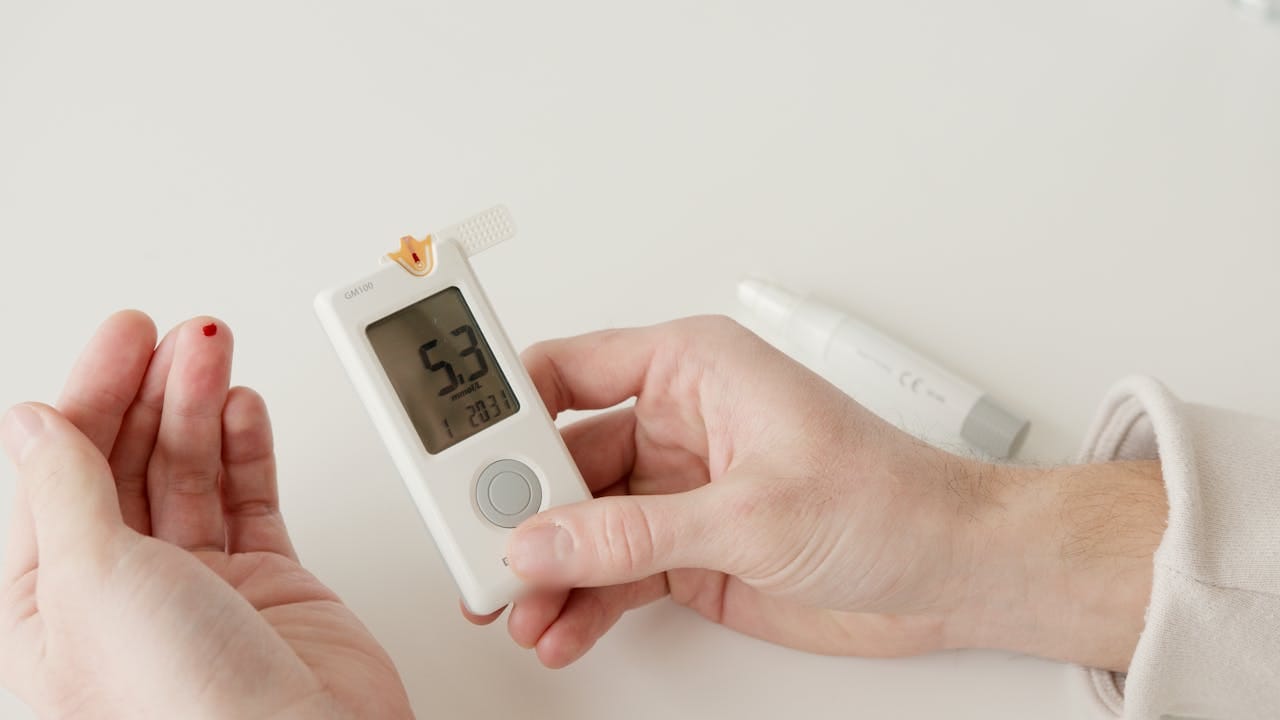
The PPBS test plays a key role in monitoring blood sugar levels, diagnosing diabetes, and managing related conditions effectively. Beyond its diagnostic utility, the PPBS blood test provides critical insights into how the body processes sugar after meals, offering valuable data to tailor lifestyle changes or medication.
Usually, both fasting and postprandial blood sugar levels are measured simultaneouly for better understanding. Abnormal results may not indicate an underlying health condition, because factors like meal composition, timing, and physical activity influence test accuracy. This guide explores the PPBS blood test procedure, interpretation, and actionable strategies to reduce postprandial blood sugar for better health outcomes.
PPBS Blood Test Meaning and Full Form
What is the PPBS test?
PPBS is essentially a blood glucose test. The full-form of PPBS is Post-Prandial Blood Sugar, which measures the sugar levels in an individual immediately after a meal or within 2 hours. Postprandial blood sugar test is often administered along with Fasting Blood Sugar (FBS) test to get a comprehensive view of blood sugar levels, especially when HbA1c shows fluctuations in sugar levels.
PPBS blood test is also known by other names such as Blood Sugar Post Prandial (BSPP), Glucose PP, Post glucose, and Glucose two-hour postprandial. PPBS blood test is an essential diagnostic and diabetes management tool, that’s also used to determine the state of treatments used. The ideal postprandial blood sugar level for a healthy person should be less than 140 mg/dL. For those with diabetes, it is less than 180 mg/dL.
Why do you Need PPBS Test
Your physician might need to measure fasting and postprandial blood sugar levels for the following reasons.
- To evaluate how your body manages sugar after a meal
- To monitor blood sugar levels for diabetes management
- To diagnose diabetes or prediabetes
- To assess the effectiveness of diabetes medications or lifestyle changes
- To identify potential risks of post-meal hyperglycemia
- PPBS blood test during pregnancy is used to screen for gestational diabetes.
Indications for PPBS Test
- Frequent urination
- Excessive hunger or thirst
- Tingling or loss of sensation in hands or feet
- Blurred vision
- Frequent infections
- Unexplained weight loss
- Fatigue
- Dry skin
- Slow-healing sores
PPBS Test Procedure
As PPBS test involves blood collection, the procedure usually requires venipuncture. A phlebotomist or a qualified lab technician will conduct the process.
Preparation
PPBS blood test is conducted after FBS test, which requires minimum 12 hours of fasting. Once the FBS test is complete, you have to eat a healthy meal before taking the PPBS test.
The PPBS blood test is usually conducted 2 hours after a meal. So, you might need to eat just before 2 hours of the test. You can drink water normally. Follow your PPBS blood test instructions given by your healthcare provider and ensure the recommended time gap be0tween eating and the test.
Process
- A blood sample is drawn from a vein in the arm using a sterile needle.
- The collected blood is placed in a labelled vial or tube.
- The sample is sent to a laboratory for glucose level analysis.
- Results are evaluated to determine post-meal blood sugar levels.
- The procedure typically takes a few minutes and involves minimal discomfort.
Post-Procedure
The PPBS blood test is totally harmless without any side effects. However, if you’re not used to injections, you might feel pinch at the site of blood collection, which passess away on its own. The test results are usually available within 1-2 hours of taking the test, which are given in the form of a formatted PPBS blood test report.
Your healthcare provider will interpret the PPBS test results to determine possible course of action. You can discuss any doubts with him/her regarding the test results.
PPBS Bood Test Interpretation
After the PPBS blood test report is available, your healthcare provider will interpret the results in the right context. For example, your health history, ongoing medications and health conditions, lifestyle factors, diet changes, age, etc., may be invoked for a comprehensive interpretation. Depending on that, you may be suggested a treatment plan or further testing, whichever is necessary.
PPBS Blood Test Results
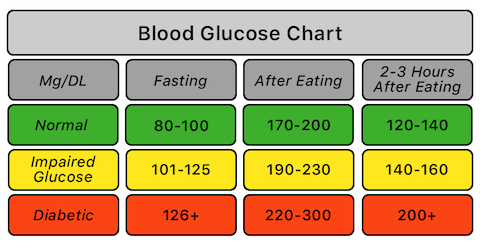
| Condition | Just After a Meal (mg/dL) | Two Hours After a Meal (mg/dL) |
|---|---|---|
| Normal Case | 170 to 200 | Less than 140 |
| Early Diabetes | 190 to 230 | 140 to 200 |
| Diabetic Patients | 230 to 300 | More than 200 |
PPBS Normal Range
| Age | Normal PPBS Level (mg/dL) |
|---|---|
| < 6 years | 180 |
| 6 - 12 years | Up to 140 |
| 13 - 19 years | Up to 140 |
| 20 years or above | Below 180 |
Blood Test Chart for PPBS and FBS
What can Affect PPBS Test Results
- High-carb or sugary meals can raise blood sugar levels.
- Blood sample timing after a meal affects accuracy.
- Medications may influence glucose levels.
- Exercise before or after meals can impact PPBS blood test results.
- Diabetes, hormonal disorders, or other conditions may alter levels.
- Smoking, alcohol, and hormonal changes can affect accuracy.
How to Reduce Postprandial Blood Sugar Levels
Reducing postprandial blood sugar levels involves lifestyle adjustments and mindful eating habits. Start by consuming balanced meals rich in fiber, protein, and healthy fats while limiting high-carbohydrate and sugary foods. Smaller, frequent meals can prevent sudden blood sugar spikes. Including low-glycemic index foods, such as whole grains, vegetables, and legumes, can further stabilise glucose levels.
- Engage in moderate physical activity, like walking after meals, to let the body consume glucose effectively.
- Stay hydrated and avoid sugary drinks.
- Monitor your portion sizes and eat at consistent times promotes better glucose regulation.
Manage stress, as it can impact blood sugar levels. Adequate sleep has a role to play in maintainining hormonal balance.
If you are on medication or insulin, follow your healthcare provider's advice for dosage adjustments. Regular monitoring of glucose levels and collaborating with a healthcare professional can guide effective strategies to maintain healthy postprandial blood sugar levels.
Conclusion
While the PPBS blood test is crucial for diabetes management, combining it with continuous glucose monitoring (CGM) reveals daily glucose fluctuations. CGM tracks sugar levels in real-time, helping identify patterns beyond fixed test times.
If you’re diabetic,incorporate regular checkups and maintain a personalised care plan with your healthcare provider for proactive diabetes management. Understanding your unique glucose response empowers you to make informed dietary and lifestyle decisions for long-term health.
Get Started at ₹1!
Try Flabs for a full month for just ₹1.
Follow us on