What are Renal function tests (RFTs)? In short, they are meant to keep track of kidney health. It is accomplished by measuring various parameters in the blood and urine of patients. As kidneys filter many waste products from the body, their presence leads to many clues related to patient health. Any indication of dysfunction in the tests prompts immediate attention. Further imaging tests may be conducted to trace the exact source of problem.
The Need for RFT Tests
RFT full form is “Renal function test”. It is a list of tests, rather than a single one. They serve three main purposes: diagnosis, screening, and monitoring.
Diagnosis: Doctors use renal tests to identify kidney-related issues. When a patient shows symptoms that include urinary changes, swelling in limbs or face, fatigue, nausea, and muscle cramps, it becomes necessary to check specific kidney dysfunctions or other related conditions.
Screening: Individuals at higher risk of kidney disease, such as those with diabetes, high blood pressure, or a family history of kidney issues might require early detection. Screening aims to detect kidney problems early, even before symptoms appear.
Monitoring: Patients undergoing treatment for kidney disease, taking medications that may affect kidney health, or recovering from previous kidney injuries must undergo RFT tests as part of monitoring.
Pre- and Post-Medical Procedures: Renal panels are often ordered before and after surgeries or treatments involving medications that may impair kidney function.
Indications for the RFT Tests
Your physician may mandate an RFT panel test for you, if you show the following symptoms:
- Persistent fatigue or weakness
- Swelling in the hands, feet, or face (edema)
- Difficulty urinating or changes in urination frequency
- Blood in the urine (hematuria)
- Foamy or cloudy urine
- High blood pressure
- Unexplained nausea or vomiting
- Loss of appetite or weight loss
- Muscle cramps or pain
- Itchy skin or persistent dry skin
Common Renal Function Tests
A renal function test panel includes multiple measurements. These tests assess waste elimination, electrolyte balance, and overall kidney health. However, the components of the RFT test can vary from lab to lab. An RFT test includes the below parameters in most cases.
RFT Test Parameters
| Test | Function | Abnormal Levels Indicate |
|---|---|---|
| Glucose | Provides energy for the body. | High levels: Diabetes, a leading cause of kidney disease. |
| Phosphorus | Crucial for bones, teeth, and muscle function. | High levels: Kidney dysfunction. |
| Calcium | Vital for bones, muscles, and cardiovascular system. | Low levels: Kidney problems affecting calcium balance. |
| Potassium | Supports muscle and nerve function and maintains fluid balance. | Abnormal levels: Kidney impairment. |
| Sodium | Regulates fluid levels and blood pressure. | Abnormal levels: Kidney issues. |
| Chloride | Maintains acid-base balance and hydration. | Imbalances: Kidney or metabolic problems. |
| Bicarbonate | Assesses carbon dioxide levels in the blood. | Abnormal levels: Kidney dysfunction or acid-base imbalances. |
| Albumin | Maintains oncotic pressure and transports substances. | Low levels: Kidney or liver disease. |
| Creatinine | The waste product of muscle metabolism filtered by the kidneys. | High levels: Kidney dysfunction. |
| Blood Urea Nitrogen (BUN) | Measures urea, a byproduct of protein metabolism. | High levels: Reduced kidney function or dehydration. |
Additional Tests in Renal Panels
Some renal panels include additional tests to provide a comprehensive view of kidney health.
Anion Gap
The anion gap measures electrolyte imbalances. It calculates the difference between positively charged (sodium, potassium) and negatively charged ions (chloride, bicarbonate). Imbalances may indicate acidosis or alkalosis.
Estimated Glomerular Filtration Rate (eGFR)
The eGFR estimates how much blood the kidneys filter per minute. It evaluates kidney function and stages kidney disease. Calculations often use creatinine levels and consider age, sex, and race.
Total Protein
Total protein measures all proteins in the blood, including albumin and globulins. Low levels may indicate poor kidney function or malnutrition.
BUN-to-Creatinine Ratio
The BUN-to-creatinine ratio compares these two waste products. An elevated ratio may suggest dehydration, a gastrointestinal bleed, or reduced kidney blood flow.
Also check difference between Urine Routine and Urine Culture
Procedure, Preparation, and Results of RFT Panel Tests
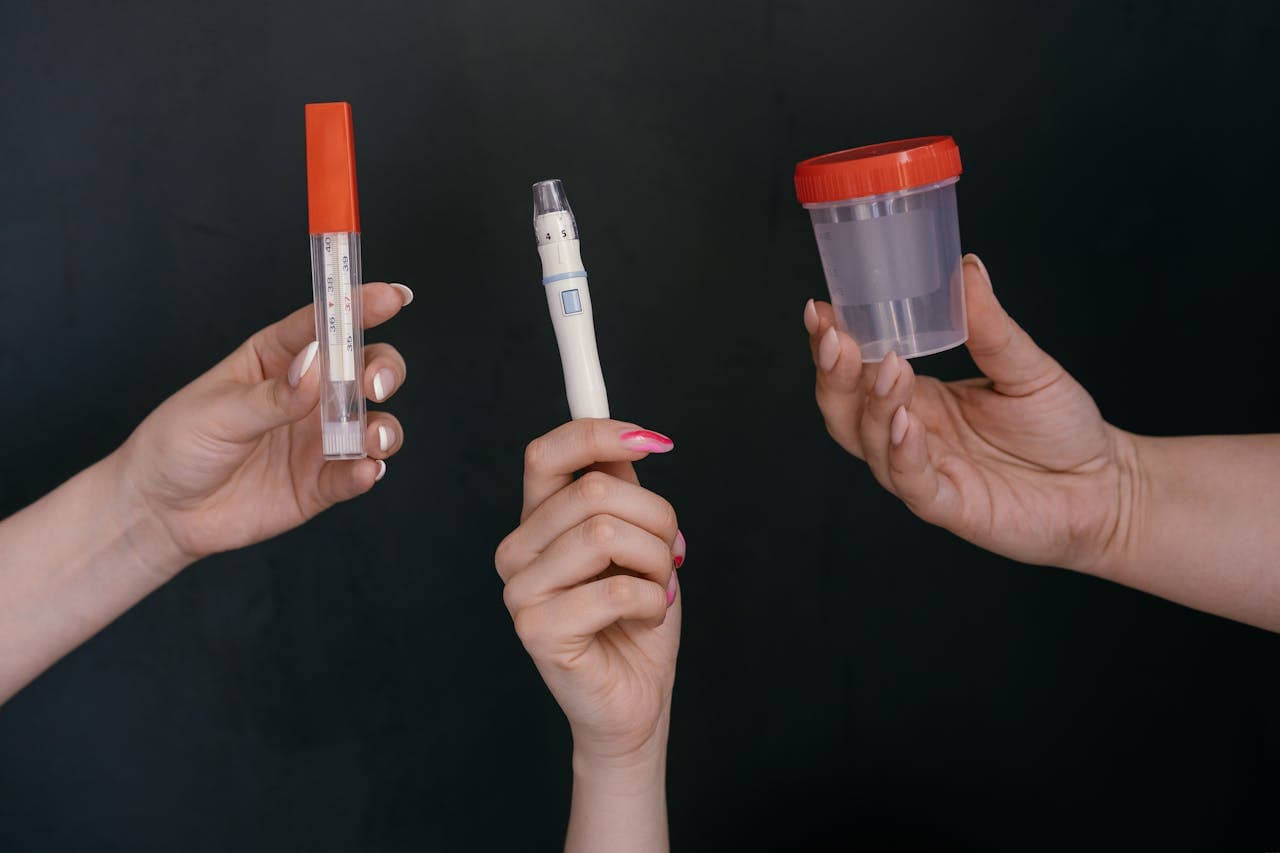
Renal Function Test (RFT) panels involve a simple blood draw and sometimes a urine sample. For preparation, patients may need to fast for 8–12 hours or avoid specific medications.
The blood sample is analysed for markers like creatinine, BUN, electrolytes, and other parameters, while the urine sample checks protein, glucose, and nephrin levels. Results assess waste filtration, electrolyte balance, and overall function. Any variation in the RFT test normal range may prompt further investigation through imaging or additional tests.
Advanced Biomarkers in RFT
Advanced biomarkers in Renal Function Tests (RFT) have improved kidney disease detection and monitoring. Neutrophil Gelatinase-Associated Lipocalin (NGAL) facilitates detection of acute kidney injury, hours before traditional creatinine levels show changes. It presents an early warning system.
**Kidney Injury Molecule-1 (KIM-1) **serves as another sophisticated biomarker. It specifically indicates proximal tubule damage. Physicians can know the location and type of kidney injury.
Beta-2 Microglobulin is an important marker to monitor kidney filtration efficiency. Unlike traditional markers, it can detect subtle changes in glomerular function. Where there is chronic kidney disease progression, it is useful for tracking. Combined with Cystatin C measurements, these biomarkers offer a more complete picture of kidney health than conventional tests alone.
Conclusion
For pathologists, integrating artificial intelligence with RFT interpretation offers exciting possibilities. Machine learning algorithms now assist in identifying subtle patterns across multiple biomarkers that might escape human detection. These tools can predict kidney disease progression with remarkable accuracy by analysing historical RFT data patterns.
New digital pathology platforms allow real-time collaboration on complex cases, enabling more targeted diagnosis and intervention.
Suggested read: Kidney Function Test (KFT)
Get Started at ₹1!
Try Flabs for a full month for just ₹1.
Follow us on