Rheumatoid arthritis (RA) is one of the most challenging autoimmune disorders to diagnose early, especially when symptoms appear gradually or mimic other inflammatory conditions.
You already know the stakes: irreversible joint damage can begin long before patients reach a specialist, sometimes within a couple of years from disease onset. For pathology labs, timely and reliable interpretation of a rheumatoid arthritis test is a defining part of that diagnostic window.
Let’s go through an integrated view of RA diagnostics, viz., blood markers, imaging correlations, common pitfalls, and what accurate reporting can mean for rheumatologists and primary-care teams relying on your data.
Why Early Detection Still Slips Through the Cracks
Despite wide awareness, RA continues to present late in many clinical settings. Early symptoms can be subtle, e.g., morning stiffness, low-grade swelling, and vague fatigue. The absence of specific triggers leads patients to delay evaluation.
Your role in shortening that delay becomes critical. Once a physician orders a rheumatoid arthritis blood test, your lab’s analytical consistency, interpretive comments, and standardised pathology report format influence clinical reasoning far more than many realise.
Rheumatoid Arthritis Tests: What You Should Prioritise
No single assay confirms RA. Instead, diagnosis emerges through a composite of serological markers, imaging patterns, and clinical behaviour. You’ve likely seen thousands of these panels. Yet, subtle nuances still matter in the early seronegative phase.
Major Serological Markers
| Test | Clinical Role | Notes for Interpretation |
|---|---|---|
| Rheumatoid Factor (RF) | Supports RA classification; also elevated in other conditions | High titres strengthen suspicion, but low specificity requires caution. |
| Anti-CCP Antibody | High specificity for RA | Can appear before joint symptoms; persistent positivity predicts erosive disease. |
| ESR & CRP | Reflect systemic inflammation | Useful for monitoring flares or tracking DMARD response. |
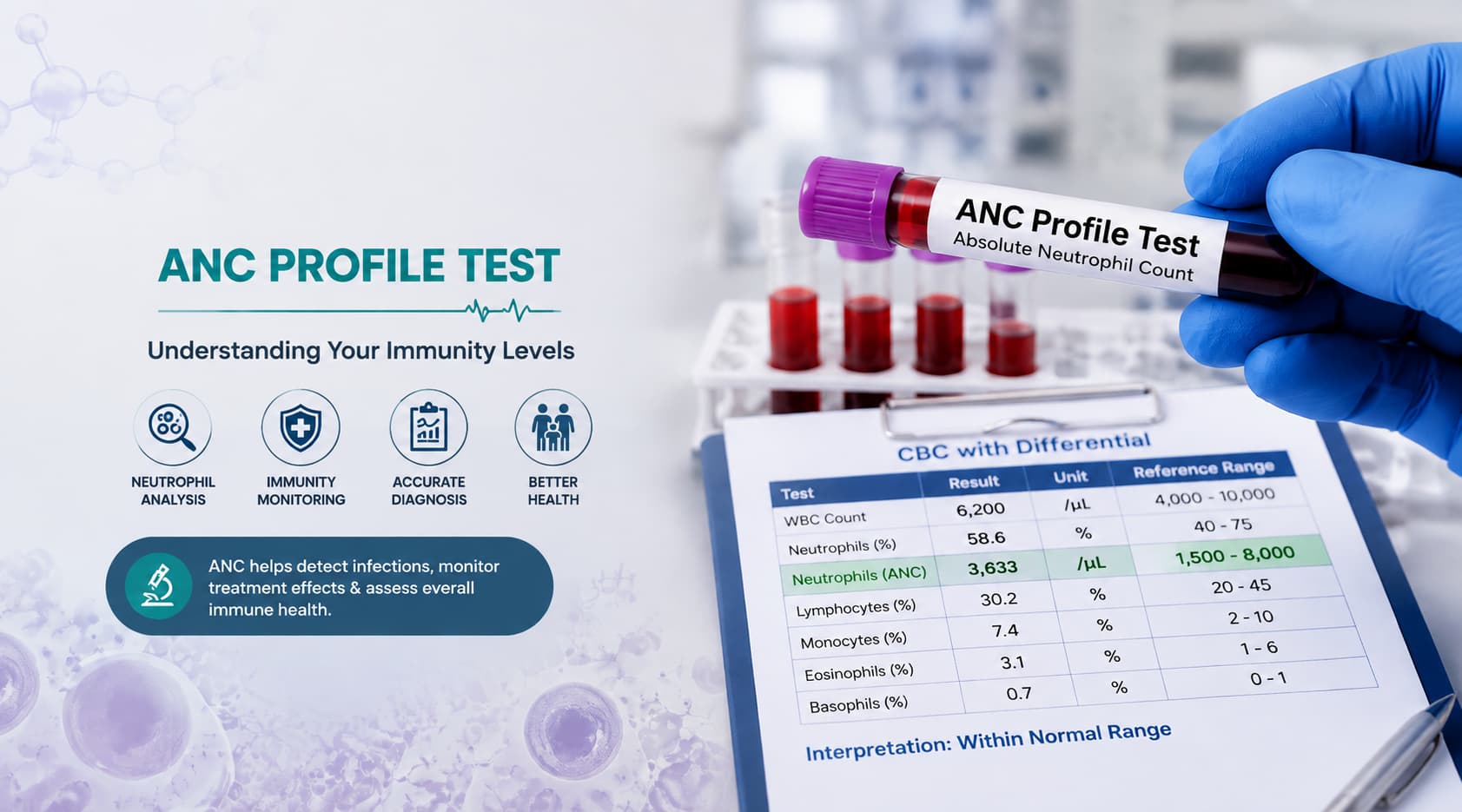
| CBC | Screens for anaemia and other hematologic shifts | Valuable for differentiating inflammatory vs. non-inflammatory patterns. |
Secondary confirmations arise via imaging, but serology remains the anchor. As you review rheumatoid arthritis blood test results, the impression you convey in your reporting can refine or redirect the clinician’s diagnostic trajectory.
Decoding the Rheumatoid Factor (RF)
You’ve seen how RF values create both clarity and confusion. A high titre RF is strongly associated with active RA, yet low-titre positivity in elderly patients, chronic infections, or other autoimmune states can complicate interpretation.
- RF alone never seals a diagnosis.
- Discordant cases (high clinical suspicion with negative RF) still demand consideration for early RA.
- Chronic smokers may display elevated RF levels unrelated to autoimmune pathology.
Many clinicians lean heavily on RF due to familiarity. Your commentary steers that reliance toward evidence-aligned interpretation.
Anti-CCP: The Precision Tool
Anti-CCP antibodies reshaped early RA assessment globally. Strong specificity means that a positive result significantly raises the probability of RA, especially when symptoms are mild.
Yet Anti-CCP isn't foolproof. Some early-seronegative RA presentations convert later. Others stay persistently negative despite clear clinical erosions. You can help clinicians avoid over- or under-estimating disease risk by highlighting these patterns within your reports.
Integrating ESR, CRP, and CBC
Inflammatory markers inform disease activity, but they don’t distinguish RA from other systemic conditions. A normal ESR or CRP doesn’t exclude early RA either. That nuance can be flagged directly in your interpretive section, particularly when a referring physician is adjusting DMARD therapy.
CBC still plays a silent yet essential role. Anaemia of chronic inflammation, thrombocytosis, or mild leukocytosis can provide early clues, and its routine availability allows for efficient longitudinal comparison.
Imaging Complements Blood Work
Once serology raises suspicion, imaging adds granularity:
- X-rays identify erosions during moderate-to-advanced stages.
- Ultrasound picks up synovitis far earlier and offers real-time assessment.
- MRI captures bone marrow oedema and early structural damage not visible on plain films.
Pathology labs increasingly integrate imaging data into consolidated reports when working within multidisciplinary units or advanced LIMS ecosystems. As interoperability improves, your input becomes even more essential.
How Your Report Shapes Clinical Decisions
The role of the rheumatoid arthritis diagnostic test extends far beyond analysing the sample. Pathologists influence management by structuring results in a way that guides treatment escalation.
Consider enhancing standard reporting with:
- Succinct interpretive flags when values trend high or low.
- Contextual notes when a constellation of markers suggests early autoimmune activity.
- Optional reflex testing suggestions (Anti-CCP following positive RF, for instance).
A clear pathology report format strengthens communication between your lab and the clinician.
Understanding Rheumatoid Arthritis Test Names and What They Mean Clinically
Physicians and patients frequently ask for a single “RA test,” yet panels vary widely by institution. Common terms include:
- RA Factor (RF).
- Anti-CCP.
- Arthritis inflammatory panel.
- Autoimmune arthritis evaluation.
- Comprehensive RA profile.
Your laboratory’s naming conventions should match national standards where feasible. Clear naming reduces confusion, improves data retrieval, and prevents unnecessary duplicate ordering.
Test Costs and Turnaround Time
Across pathology labs in India, affordability and efficiency significantly influence access to timely care. Clinicians appreciate transparency regarding the following.
- Rheumatoid arthritis test cost.
- Bundled panel pricing.
- Reimbursement or cash-pay alternatives.
- Expected turnaround time.
Your operational clarity directly affects referral patterns. Even small improvements in reporting speed can accelerate DMARD initiation and reduce long-term disability in RA.
Rheumatoid Arthritis Test Procedure
The rheumatoid arthritis test procedure is uncomplicated for most labs.
- Venous blood collection (fasting not usually required).
- Sample processing in serum separator tubes.
- Automated immunoassay or nephelometric analysis.
- Secondary confirmation on request or when reflex criteria activate.
- Consolidated reporting through LIS.
Clear internal SOPs reduce variability and maintain assay integrity. When labs upgrade to machine-interfaced platforms, data accuracy improves further.
Common Mistakes in Reporting
- Over-emphasising RF when Anti-CCP is negative.
- Interpreting mildly elevated inflammatory markers as disease-specific.
- Ignoring seronegative RA patterns.
- Understating the significance of persistently positive Anti-CCP.
- Neglecting to document potential confounders (e.g., chronic infection, smoking).
The Role of LIS and Machine Interfacing in Pathology
Many medical labs upgrading their infrastructure see rapid gains from advanced LIS platforms. If you’re operating within an ecosystem like Flabs Pathology Software, machine interfacing can reshape your workflow.
- Automated data capture.
- Reduced transcription errors.
- Real-time instrument-to-report data exchange.
- Configurable alerts for critical values.
- Smooth HL7 or ASTM-based connectivity.
- Consistent reporting architecture for RA serology panels.
As ordering volumes increase for chronic disease monitoring, automation becomes indispensable.
How Accurate Reporting Supports Early DMARD Strategy
Rheumatologists rely on test trends, not snapshots. When your reports show fluctuations in ESR, CRP, or titers over months, treatment decisions sharpen.
Accurate lab data influences,
- Selection of first-line DMARDs
- Timing of step-up therapy
- Transition to biologics
- Long-term monitoring for disease remission or flare
Even subtle interpretive suggestions from you can refine management for years ahead.
Final Thoughts
Diagnosis feels straightforward only when every piece lands in synchrony. Pathologists occupy a foundational position in that framework. The precision and interpretive clarity you contribute can shorten diagnostic delays, refine treatment pathways, and improve lifelong outcomes for individuals living with RA.
For laboratories navigating rising sample loads or wanting tighter integration across instruments, Flabs can streamline data flow and strengthen reliability from sample collection to final sign-out.
If your team needs a system that enhances reporting quality, reduces manual dependency, and sharpens operational efficiency, upgrading to an interfaced LIS may be the next strategic move.
Get Started at ₹1!
Try Flabs for a full month for just ₹1.
Follow us on