The Serum Protein Electrophoresis (SPEP) test measures the levels of specific proteins in the blood serum. Healthcare professionals can identify and monitor various diseases and disorders through the test. While the SPEP blood test procedure is simple, the interpretation and further medical steps require expert intervention from pathologists and healthcare professionals.
What Is the SPEP Test?
SPEP medical abbreviation is Serum Protein Electrophoresis. The test is a laboratory technique that evaluates protein levels in the blood serum. Blood has several components, including red and white cells, platelets, and liquid serum. The serum contains proteins that perform vital functions. These proteins are grouped into five types:
- Albumin: This protein aids in transporting substances and supports tissue repair. It prevents blood from leaking out of vessels and helps carry medicines and nutrients.
- Alpha-1 globulins: These proteins, like alpha-1-antitrypsin, increase with inflammation and include high-density lipoprotein (HDL), the "good" cholesterol.
- Alpha-2 globulins: These have multiple functions, including roles in inflammation and haptoglobin, which binds to hemoglobin.
- Beta globulins: These proteins support immunity, transport substances like iron, and help fight infections.
- Gamma globulins: These play a key role in immune system support. They act as antibodies that bind to foreign substances like bacteria or viruses.
Electrophoresis separates these proteins based on their physical properties. It uses an electric current to group proteins into bands on a gel. These bands are then analysed to detect abnormalities.
Why Is the SPEP Test Ordered?
Doctors recommend the SPEP blood test to investigate symptoms caused by abnormal protein levels. Common symptoms include:
- Unexplained weight loss
- Bone pain or frequent fractures
- Fatigue and weakness
- Nausea and constipation
- Excessive thirst
- Back pain
The test helps diagnose a range of conditions, such as:
- Cancer (e.g., multiple myeloma, lymphoma)
- Thyroid disorders
- Diabetes
- Anemia
- Liver diseases
- Malnutrition
- Autoimmune diseases
- Multiple sclerosis
SPEP is not used alone for diagnosis. Instead, it is combined with other tests for a comprehensive evaluation.
How Is the SPEP Test Performed?
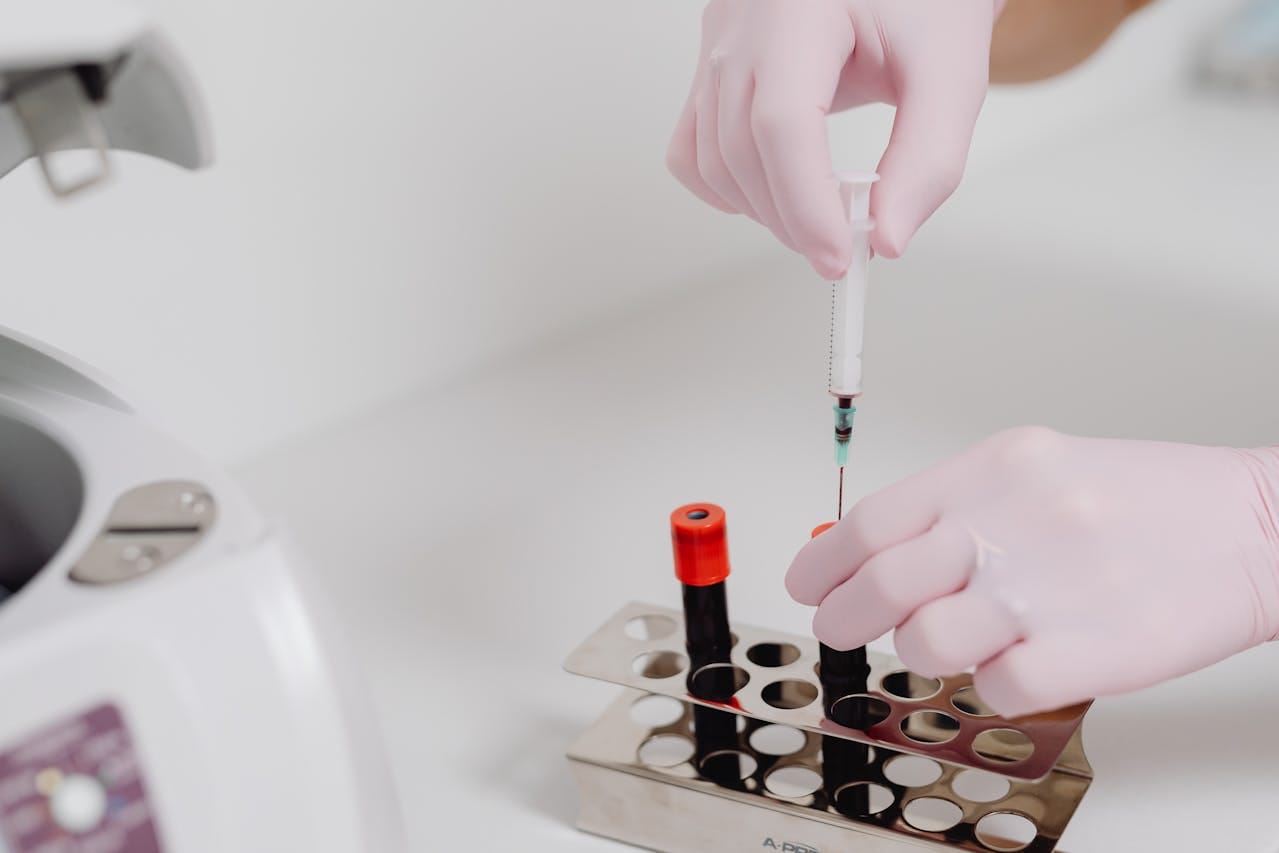
The test is simple and requires no special preparation. A healthcare professional collects a blood sample using a needle. The sample is sent to a lab for analysis. Some people may experience mild pain or slight bruising at the needle site, which usually resolves quickly.
Specimen Requirements: SPEP testing requires 7mL of blood in an SST (gel barrier) tube, although a red-topped tube is acceptable with a minimum volume of 3mL. Specimens must be processed and transported properly to ensure accuracy. Insufficient samples may be rejected.
The sample should clot completely at room temperature after collection. The serum must be separated from cells via centrifugation within two hours of collection. The serum is then transferred to a labelled plastic transport tube. It remains stable for up to 4 days at room temperature, 2 weeks refrigerated, and 6 months if frozen. Repeated freeze-thaw cycles should be avoided.
The test results are typically ready in 2 to 3 days. Each protein group’s level is reported as a percentage of the total serum protein. A total serum protein test is often done alongside to provide absolute values.
SPEP Test Results
The serum protein electrophoresis test separates proteins into five groups. Each protein type has a specific normal range. Deviations from SPEP blood test normal range values may indicate underlying conditions:
| Protein Type | Higher Than Normal | Lower Than Normal |
|---|---|---|
| Albumin | Indicates dehydration | Suggests kidney or liver disease, inflammation, or poor nutrition |
| Alpha-1 Globulin | Acute or chronic inflammation | Liver disease or rare conditions like congenital emphysema |
| Alpha-2 Globulin | Kidney disease or inflammation | Liver disease, poor nutrition, or red blood cell breakdown |
| Beta Globulin | Anaemia, multiple myeloma, or high cholesterol | Poor nutrition or liver cirrhosis |
| Gamma Globulin | Rheumatoid arthritis, infections, inflammatory diseases, or cancers (e.g., multiple myeloma, lymphoma) | Immune deficiencies or disorders |
What Abnormal Results May Indicate
Abnormal protein levels in SPEP blood test interpretation provide clues about potential diseases.
- High gamma globulin levels may indicate autoimmune diseases like rheumatoid arthritis or systemic lupus erythematosus.
- Elevated beta globulin levels are often associated with multiple myeloma or atherosclerosis.
- Low albumin levels indicate poor liver or kidney function.
Related: Serum Electrolytes Test Report Format
Clinical Applications of SPEP
- Cancer: Identifies multiple myeloma, Waldenstrom’s macroglobulinemia, and monoclonal gammopathy.
- Chronic conditions: Detects liver diseases, malnutrition, and chronic inflammation.
- Immune disorders: Diagnoses autoimmune diseases and immunodeficiencies.
- Kidney diseases: Evaluates protein loss and kidney function.
Risks and Limitations
The SPEP test is safe, with minimal risks. Some individuals may experience mild or minor bruises at the blood draw site. However, abnormal protein levels alone cannot confirm a diagnosis. Additional tests are often needed to pinpoint specific conditions. Repeated SPEP testing may also be required to monitor treatment effectiveness over time.
Latest Advances
Recent advances in home monitoring technology now allow patients to track their protein levels between lab visits. Small, portable devices can provide basic protein readings in minutes. People with chronic conditions can stay informed about their health status.
Many insurance companies now cover these devices for eligible patients. The technology brings peace of mind and enables faster medical interventions when needed.
However, home devices do not replace laboratory-based serum protein electrophoresis testing, which provides detailed protein fraction analysis. Serum protein electrophoresis remains essential for accurate diagnosis, monitoring disease progression, and guiding clinical decisions.
Suggested read: Serum vs Plasma
Get Started at ₹1!
Try Flabs for a full month for just ₹1.
Follow us on