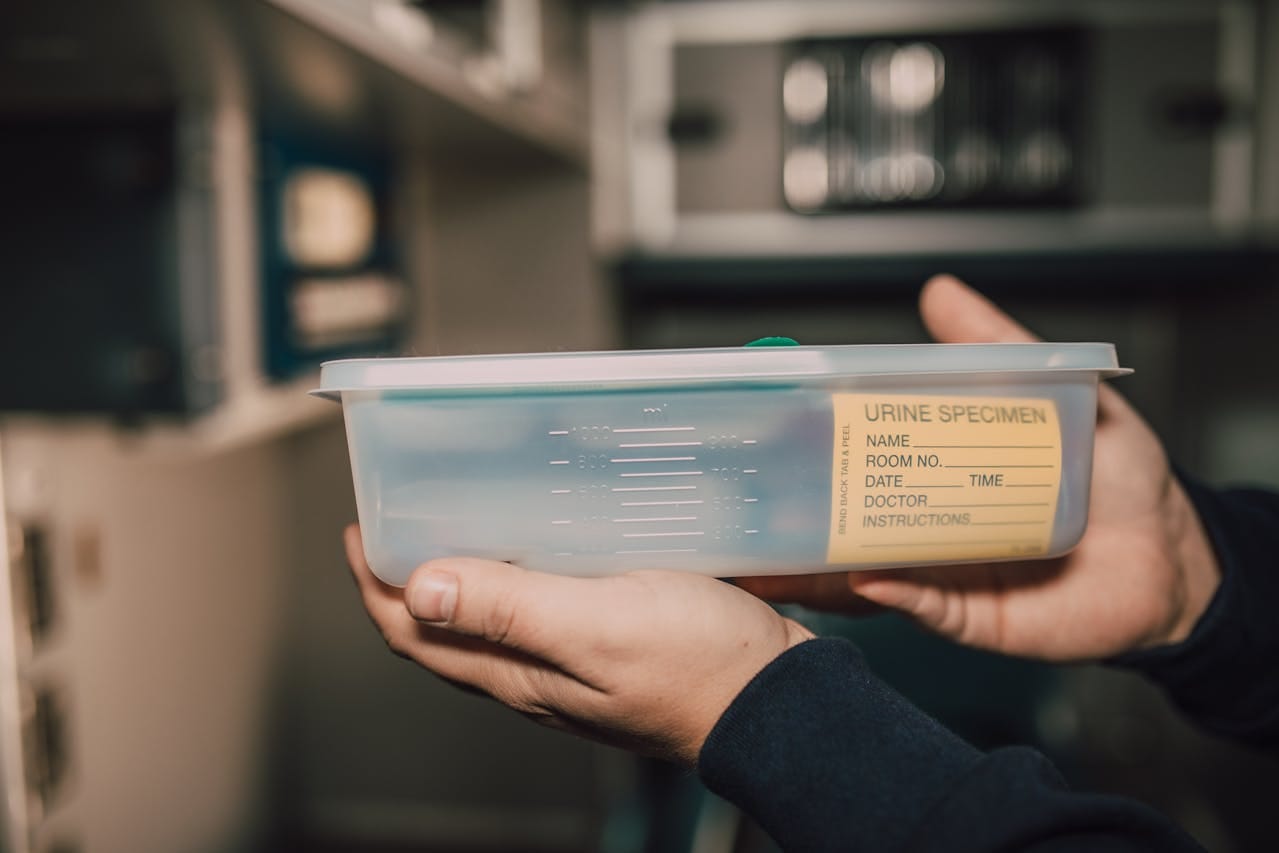
When it comes to urinary health, one of the most important diagnostic tools is the urine culture test. It is often recommended when a urinary tract infection (UTI) is suspected, and healthcare providers can identify the specific bacteria or microorganisms causing the infection.
The outcomes of the test are published in a document known as the Urine culture report or urine culture and sensitivity report. However, urine culture report analysis can be a bit overwhelming. Follow the discussion to learn how to read a urine culture test report.
What is a Urine Culture Test?
A urine culture test involves growing and identifying microorganisms, particularly bacteria, from a urine sample. The test is usually ordered when a healthcare provider suspects a UTI, particularly if symptoms such as a burning sensation, frequent urination, or cloudy, foul-smelling urine persist. The test helps determine the exact type of bacteria causing the infection and their sensitivity to various antibiotics, which aids in selecting the most effective treatment.
Sometimes, the test is also performed along with other culture tests. The process involves incubating the urine sample on a special growth medium for 48-72 hours. If bacteria grow, they are tested to determine which antibiotics they respond to.
Structure of a Urine Culture Report Sample
A normal urine culture report format follows the below structure:
Patient Information: Name, age, gender, date of sample collection.
Bacterial Growth: No growth / Positive growth and type of bacteria identified (if growth occurs).
Colony Count: Number of colonies grown (e.g., >100,000 CFU/mL).
Identification of Organisms: Specific bacteria or microorganisms identified.
Antibiotic Sensitivity (or Resistance): List of antibiotics tested, sensitivity or resistance of the bacteria to each antibiotic.
Other Pathogens: Fungal or viral organisms, if detected.
Comments/Additional Information: Additional notes from the laboratory are also included in a urine culture report sample, if necessary.
Key Components of a Urine Culture Report
While each laboratory may have slight variations in its report format, a standard urine culture report typically includes the following components:
Bacterial Growth
The most critical part of a urine culture report is whether or not bacterial growth is observed. If the report indicates “no growth,” it means no bacteria were found in the urine sample, suggesting that a UTI is either absent or caused by something other than bacterial infection, such as a viral infection or irritation.
On the other hand, if there is bacterial growth, the report will specify the type of bacteria identified. Common bacteria found in urinary infections include Escherichia coli (E. coli), Klebsiella, Enterococcus, and Proteus species.
Colony Count
A urine culture report colony count refers to the number of bacterial colonies that have grown from the sample. In most cases, a colony count of 100,000 or more bacteria per millilitre of urine is considered a significant infection. A lower count may be indicative of contamination during collection, or a less severe infection, but the interpretation can vary based on symptoms and clinical context.
Identification of Bacteria
Once bacteria grow in the culture, they are identified through various methods like microscopy or biochemical testing. The report will list the bacteria identified, which helps healthcare providers determine the exact cause of the infection.
Antibiotic Sensitivity
The final key part of the urine culture test report is the antibiotic sensitivity (or susceptibility) test. It shows which antibiotics the identified bacteria are sensitive to and which ones they are resistant to. The sensitivity is tested by introducing different antibiotics to the cultured bacteria and observing which ones prevent growth.
For instance, if Escherichia coli in the urine culture report is found to be sensitive to ciprofloxacin but resistant to amoxicillin, this information will guide your doctor in prescribing the most effective antibiotic treatment.
Other Pathogens
While bacterial infections are the most common cause of UTIs, other microorganisms, such as fungi or viruses, can also lead to infections. If the test detects something other than bacteria—such as Candida (fungus)—it will be noted in the urine culture and sensitivity report. It is particularly relevant in immunocompromised individuals or those with recurrent infections.
What Does Your Urine Culture Report Mean?
Understanding the results of a urine culture test can help you analyse a urine culture test report better. Here’s a breakdown of the common outcomes and their significance:
1. No Growth
If your urine culture report shows “no growth,” it means that no bacteria or microorganisms were found.
No Infection: There might not be a UTI.
Contamination: The urine sample may have been contaminated during collection.
Non-Bacterial Cause: The infection could be viral or due to a different cause that the culture cannot detect.
If you have persistent symptoms despite a “no growth” result, your doctor might recommend further testing or consider other causes for your symptoms.
2. Growth of Bacteria
If bacteria grow in the culture, the report will identify the species of bacteria. A positive result indicates a bacterial infection and further information on the colony count and antibiotic susceptibility will guide your treatment plan. It’s important to note that a positive result doesn’t always mean an active infection. Some individuals, particularly older adults or those with catheters, may have asymptomatic bacteriuria (bacteria in the urine without symptoms).
3. Antibiotic Resistance
Antibiotic resistance is a growing concern, and the urine culture’s antibiotic sensitivity results are critical in identifying which antibiotics will be effective. If the bacteria are resistant to common antibiotics, your doctor may choose a stronger or different class of antibiotics. It’s important to take the prescribed antibiotics as directed to avoid resistance development.
How to Interpret the Results
Interpreting a urine culture report isn’t always straightforward, as it requires medical knowledge and clinical context. Here are some general guidelines:
Positive Result: A positive urine culture report shows significant bacterial growth, accompanied by symptoms like pain or fever. It indicates a UTI that requires treatment.
Negative Result: A “no growth” result, when symptoms persist, might point to a different underlying condition or require further investigation.
Antibiotic Resistance: If the bacteria are resistant to the initial antibiotics prescribed, your healthcare provider will likely recommend an alternative treatment plan based on the sensitivity test.
When to Seek Further Medical Advice
If your urine culture report is unclear or if your symptoms don’t improve despite treatment, consult with your healthcare provider. They may recommend additional tests or adjust your treatment plan based on your overall health and medical history.
Final Thoughts
Navigating your urine culture report may seem daunting at first, but breaking it down into components can provide valuable input on your health. The test not only helps identify the cause of a urinary tract infection but also guides effective treatment through antibiotic sensitivity results. Always follow your healthcare provider’s recommendations. If you’re in doubt, don’t hesitate to take second opinion from another doctor.
Related- Urine ACR Test: Purpose, Procedure, and Normal Range
Get Started at ₹1!
Try Flabs for a full month for just ₹1.
Follow us on