Iron metabolism is a crucial assessment in the series of blood tests, including CBC. Iron deficiency is linked to fatigue, lack of concentration and enthusiasm, weight loss, blood loss, and many other symptoms. A UIBC blood test is used to determine the patient's iron metabolism status. The UIBC blood test is ordered when iron deficiency or overload is suspected.
It's less well-known than other tests, but it plays a crucial role in diagnosing iron-related conditions. In this guide, we'll explore what UIBC is, how it's measured, and what your results might mean.
What is UIBC
The full form of UIBC is Unsaturated iron binding capacity. It refers to the number of binding sites on transferrin, the iron transport protein in the human body. The number of binding sites available and open on the protein to bind Iron. A UIBC blood test thus determines the iron status in the body, revealing the Iron transporting capacity. High or low UIBC may be attributed to different health conditions like iron deficiency, hemochromatosis, etc.
UIBC is a component of TIBC (Total Iron Binding Capacity), which indicates the UIBC along with the Iron that is bound to transferrin. While UIBC measures the element of transferrin that is unbound to Iron in the blood, TIBC measures the total capacity of the transferrin to bind to Iron.
When to take the UIBC Blood Test
When a patient presents with symptoms like fatigue, weakness, lack of concentration, pale skin, or unusual cravings for non-food items, a UIBC test is suggested to determine if there is iron deficiency. Alternatively, suppose your CBC shows signs of iron deficiency with low haemoglobin and hematocrit, and your RBC is pale and smaller. In that case, a UIBC blood test is required to determine the actual condition.
UIBC blood tests may be ordered when iron overload is expected. Symptoms like Joint pain, weight loss, lack of energy, Abdominal pain, and low sex drive are linked to iron overload. Similarly, in cases of iron poisoning due to an overdose of vitamins or iron supplements, the UIBC blood test is required to assess the condition.
UIBC Test Procedure
UIBC also belongs to the series of blood tests that follow common characteristics in procedure.
Test Preparation
Before undergoing the UIBC blood test, your physician may suggest pre-conditions to follow. They typically include fasting for a certain period, usually 8-12 hours. During this period, you should refrain from eating any food, especially those rich in Iron, iron supplements or related medications, as they can interfere with test results. Your physician may give any specific instructions.
Blood Draw
- UIBC is a type of blood test performed at a clinic, hospital, or pathology laboratory, similar to other blood tests.
- Mainly, for adults, blood draws happen through the venipuncture method of blood collection.
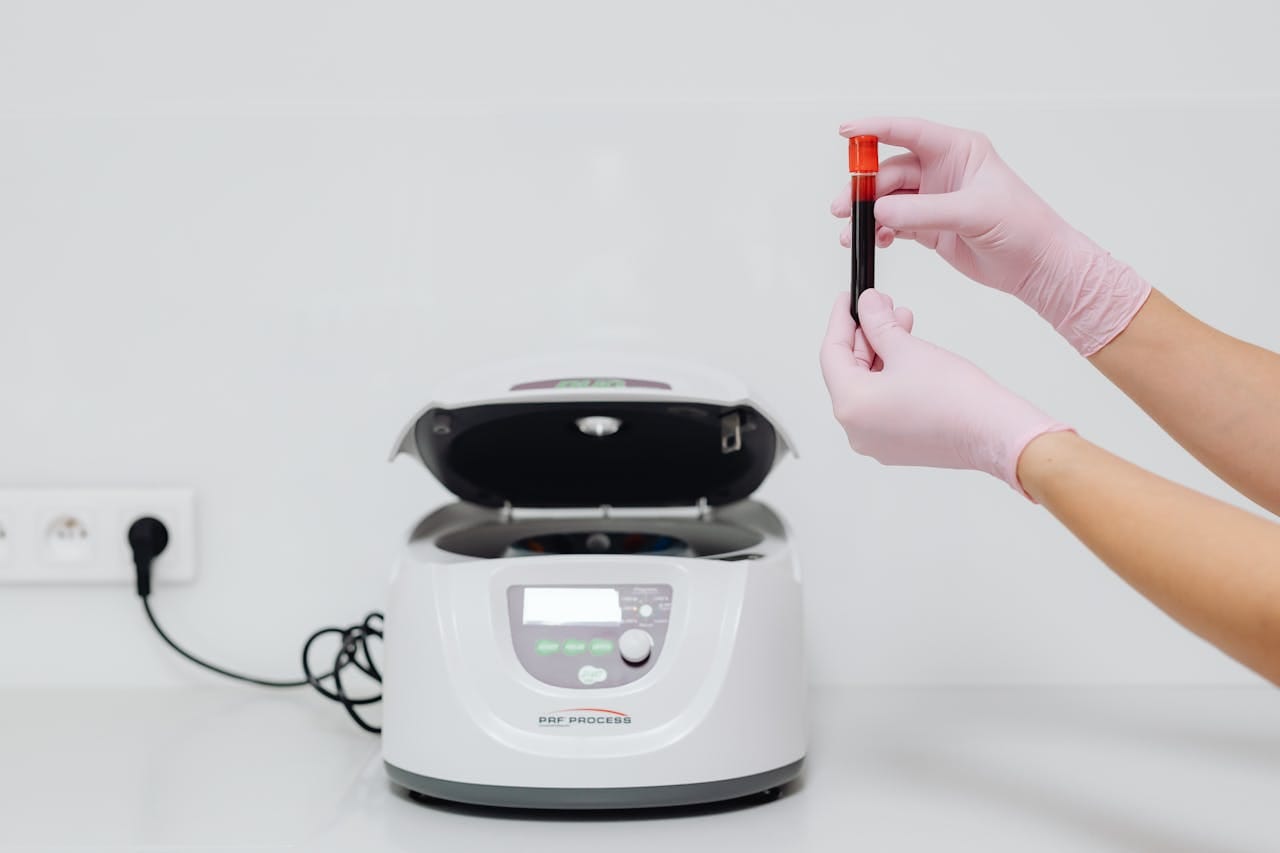
- The blood is collected into one or more blood collection tubes. The amount of blood drawn is usually minimal and should not cause significant discomfort.
- The blood sample is labelled with the patient’s information and sent to the laboratory for analysis.
- Blood collection tubes or vials play an essential role in safeguarding blood samples during transportation and preservation.
Calculation of UIBC Values
Once the blood sample reaches the laboratory, it undergoes a series of analyses to determine the UIBC. The general process is as follows:
Iron Saturation Test: The initial step is to measure the amount of Iron currently bound to transferrin, the protein that binds Iron. It is known as the serum iron level.
Saturating Iron: In the lab, an excess amount of Iron is added to the blood sample to saturate the transferrin thoroughly.
Measuring Unbound Iron: After saturation, the unbound Iron is measured. This excess Iron is removed, and the remaining amount of iron-binding sites on transferrin is calculated.
Calculating UIBC: The UIBC is determined by subtracting the serum iron from the total iron-binding capacity (TIBC). Essentially, TIBC is the sum of UIBC and the serum iron level, representing the total capacity of transferrin to bind Iron.
Interpretation of UIBC Values
The average range values of UIBC vary among different laboratories. In general, the normal range is 255-450 μg/dL. Low or high UIBC values are associated with various health conditions ranging from simple iron deficiency to chronic liver diseases.
| UIBC Level | Conditions | Associated Factors |
|---|---|---|
| High | Iron Deficiency or Anaemia | Decreased serum iron, low transferrin saturation |
| High | Oral Contraception Use | Hormonal effects on iron metabolism |
| High | Pregnancy | Physiological response for foetal development |
| Low | Hereditary Hemochromatosis | Iron overload, increased iron saturation |
| Low | Myeloid Disorders | Iron overload from transfusion dependency |
| Low | Thalassemias (certain types) | Iron overload |
| Low | Liver Diseases | Multifactorial, e.g., cirrhosis |
| Low | Chronic Inflammation | Multifactorial anaemia |
| Low | Hyperthyroidism | NA |
| Low | Nephrotic Syndrome | NA |
| Low | Hypoproteinemia | Requires further evaluation |
UIBC Values
| UIBC Value | Range (μg/dL) | Interpretation |
|---|---|---|
| Normal UIBC | 255-450 | Indicates a normal iron-binding capacity. |
| Low UIBC | < 255 | May suggest iron overload, hemochromatosis, or chronic liver disease. |
| High UIBC | > 450 | May indicate iron deficiency, chronic blood loss, or pregnancy. |
Natural Ways to Maintain UIBC Levels in the Body
- Include more iron-rich foods into the diet, like lean meat, fish, beans, lentils, spinach, tofu, fortified cereals, kale, etc.
- Shellfish such as clams, mussels, and oysters are excellent sources of heme iron.
- Along with iron-rich food, the intake of Vitamin C should be increased in natural ways to increase iron absorption.
- Foods high in phytates (found in whole grains and legumes) and tannins (found in tea and coffee) can inhibit iron absorption. Limit these foods, especially during meals.
- Reduce the intake of stimulants like tea or coffee, especially with meals. Because they contain compounds like tannins that slow down iron absorption.
- Limit intake of calcium-rich foods and supplements during meals, as calcium can interfere with iron absorption.
- Foods rich in Vitamin B12, A and folate will help in iron metabolism and production of RBC.
- Cooking in pots and utensils made of cast Iron can also help intake iron.
- If you're at risk of iron deficiency or have a history of it, consider regular blood tests to monitor your iron levels and adjust your diet or supplements as needed.
Conclusion
As we wrap up our exploration of UIBC, it's clear that this often-overlooked blood test holds valuable insights into our health. UIBC blood test reveals the role of iron metabolism in our bodies. As we've seen, maintaining proper iron levels is a delicate balance influenced by diet, lifestyle, and various medical conditions.
The next time you encounter UIBC on a blood test report, you'll have a deeper appreciation for what it represents. Remember, knowledge is power when it comes to health. By staying informed about tests like UIBC, we become active participants in our well-being, which is the first step towards creating good health.
Get Started at ₹1!
Try Flabs for a full month for just ₹1.
Follow us on