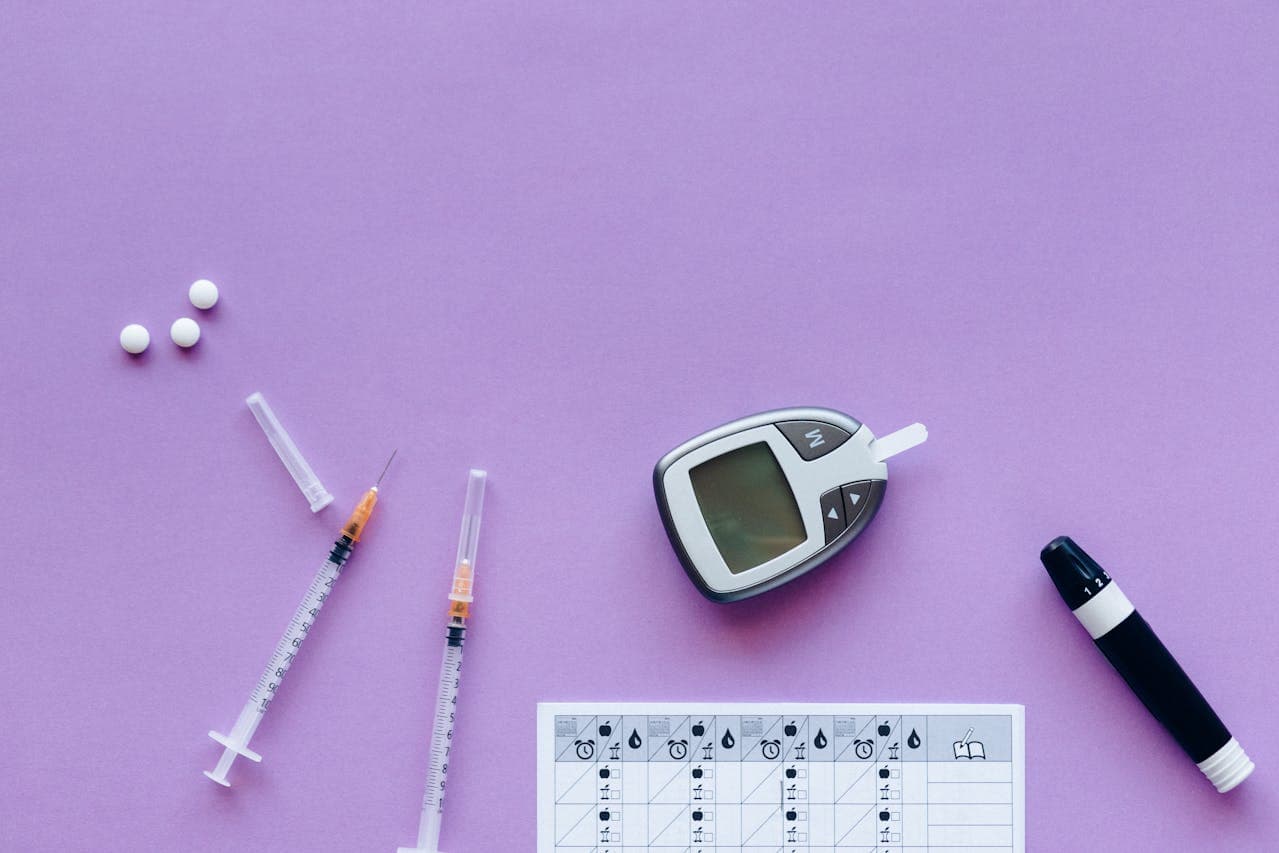
A blood sugar test or random blood sugar (RBS) test is used to measure the glucose levels in the blood at any time of the day, irrespective of the last meal time. It helps identify diabetes or other health conditions based on the test outcomes. Typically, the RBS test is requested when a patient shows symptoms of frequent urination, excess thirst, or sudden weight loss.
When taking test, mentioning blood collection techniques, quality control methods, patient identify, normal values, data encryption, etc., become crucial. When including them in the report, they must follow a standard structure, known as blood sugar report format. A standard format ensures easy diagnosis foremost. It also helps with transferability between different laboratories and healthcare providers.
Structure of Blood Sugar Report Format
Most laboratories across the world follow the below given structure when designing a blood sugar report format. However, individual laboratories are at liberty to use the below format as they wish.
Header: Official letterhead with test title “Blood Sugar Report”.
Patient Info: Name, age, gender and unique identifier number.
Referring Physician: Name and contact details.
Reference Values: Mention the normal values of the blood sugar report for comparison and reference, along with units of measurement.
Quality Control: Lab’s accreditations, instrument calibration methods and frequency, minimising errors and monitoring test procedures.
Specimen Info: Give info of blood collection technique, storage and handling methods in the blood sugar report.
Interpretation: Provide interpretations of the test results from blood sugar test report format.
Clinical Correlation: Indicate what the results mean for a patient's health condition along with follow-up suggestions.
Interference: Factors that influence the test results and cause variation in normal range values.
Visual Aid: Provide relevant graphs, charts or other visual media in the blood sugar report format to enable easy interpretation by medical professionals.
Data Privacy: Use of QR codes, barcodes and other encryption methods to upkeep confidentiality in blood sugar report formats.
Suggestions: Give additional information regarding further testing, healthcare facilities, and recovery suggestions.
Suggested read: PPBS - Post-Prandial Blood Sugar Test
Blood Sugar Test Report Sample
Look at the below blood sugar test report sample to gain more understanding of the formatting guidelines. You can also download the file for reference.

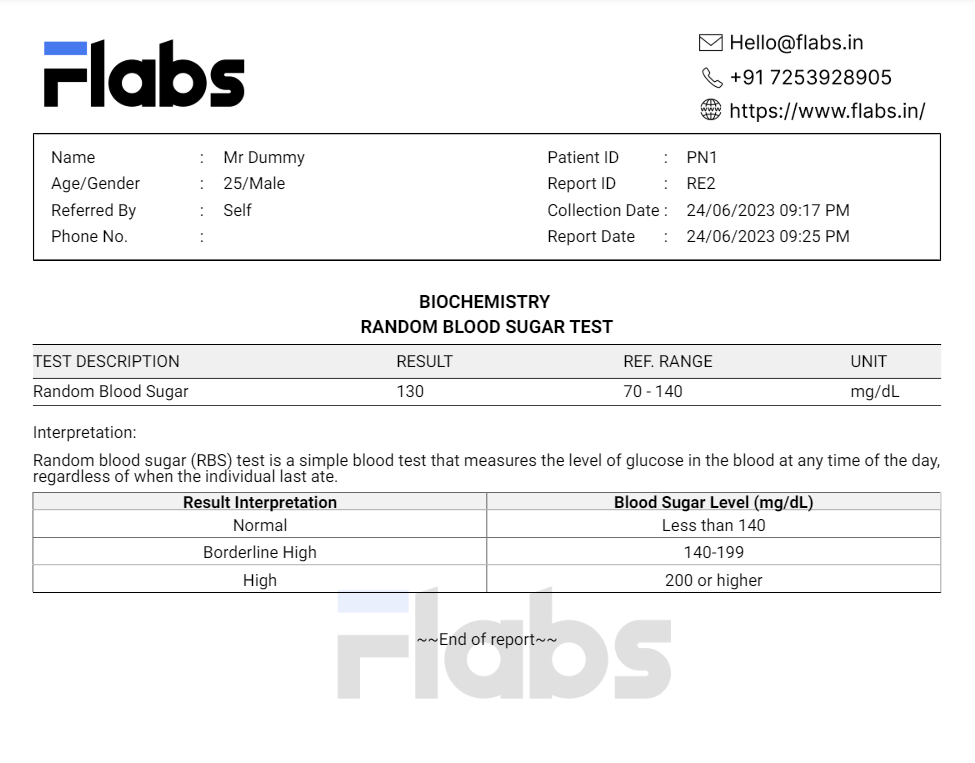
The above lab report sample adheres to several key guidelines that ensure clarity and accuracy in blood sugar report format. It starts with thorough patient identification. This includes the patient's name, age, gender, and unique patient ID. It details the dates and times for sample collection and report issuance. It gives a clear timeline of the testing process. Notably, the report also mentions that the patient referred himself.
Regarding the test details, the report names the test—Random Blood Sugar Test—and offers a brief description of its purpose. The results section complements it. It gives the blood sugar level measured and compares it to a reference range. The range is in milligrams per deciliter (mg/dL). This comparison is crucial. It is a guideline for blood sugar reports. It helps in accurately assessing the patient's health.
Furthermore, the results are interpreted with clear categories. These are for normal, borderline high, and high blood sugar. This interpretation helps in understanding the potential health implications of the test results. Concluding the report an MD in Pathology, signs off, adding a layer of professional validation to the blood sugar report results. This structured approach ensures that healthcare providers and patients can easily understand and use the test results.
Normal Random Blood Sugar by Age
Ages 18-50:
- Fasting blood sugar level: 70 – 99 mg/dL
- After meals blood sugar level: 70 – 140 mg/dL
Ages 51-60:
- Fasting blood sugar level: 70 – 105 mg/dL
- After meals blood sugar level: 70 – 150 mg/dL
Ages 61-90:
- Fasting blood sugar level: 70 – 115 mg/dL
- After meals blood sugar level: 70 – 160 mg/dL
Standardize and Simplify Blood Sugar Reporting
A well-structured blood sugar report improves readability and helps ensure consistent diagnostic documentation. Explore our Pathology Report Format for professionally designed report templates used across various laboratory tests. If you want to automate report creation, our Pathology Report Software helps diagnostic laboratories generate accurate, standardized reports while improving workflow efficiency.
Conclusion
In conclusion, an ideal Random Blood Sugar (RBS) lab report features accurate patient details, standard units, and defined reference ranges. Blood sugar report formats with quality control info, consistent terminology, and timely reporting boost reliability. Graphs aid easy interpretation. Ongoing staff education aligns with updated methodologies, improving report utility for clinical decisions. Together, formatting blood sugar reports upholds clinical diagnosis and timely healthcare.
Get Started at ₹1!
Try Flabs for a full month for just ₹1.
Follow us on