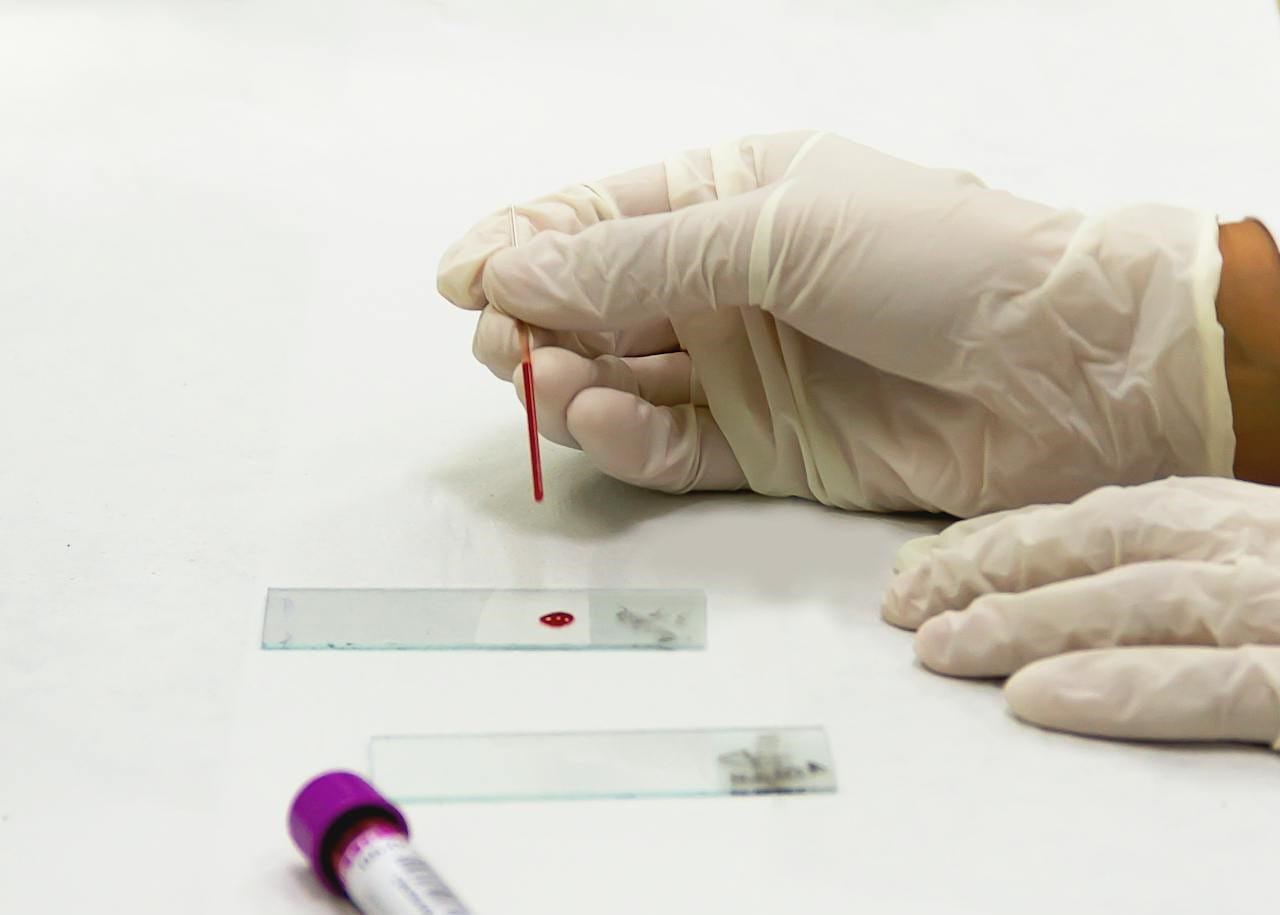
Capillary blood collection is a crucial technique medical experts employ across various disciplines and skill levels. The method is used primarily for infants as their veins are small. Also, infants tend to move unexpectedly, making venipuncture hazardous. Similarly, capillary collection is ideal when a small blood sample is enough. The capillary blood collection procedure is the best for adults with delicate, superficial, or hard-to-reach veins. Depending on the situation, a physician decides what method gives the best results.
So, if you've ever wondered about the intricacies of drawing blood through capillary blood collection methods, you're in the right place. Let's discuss various techniques and procedures used in capillary blood samples herein.
Capillary Blood Collection Procedure
Depending on the donor, a physician recommends different blood collection sites. Fingersticks are the most common, while heelsticks are more common in infants.
Materials Required
- Sterile lancets.
- Microtainer capillary tubes for blood collection.
- Tubes with different additives are used to collect blood specimens for specific types of tests.
- Filter paper (if required).
- Disposable latex-free gloves.
- Warming device.
- Antiseptic alcohol swab. Individually packaged 70% isopropyl alcohol wipes.
- 2×2 Gauze.
- Bandages or tape.
Preparation for Collection of Capillary Blood
- Start capillary blood collection by identifying the patient. Ask the patient or caregiver to verbally confirm the patient's name and date of birth. Ensure this information aligns with the given information.
- Assure the patient we will draw only the minimum blood needed for testing. It will minimise any concerns they have and reduce anxiety.
- Choose suitable capillary tubes for blood collection. Microtainers are common. If the capillary tubes contain additives, tap them to dislodge any substances adhering to the walls and top.
- Cleanse your hands with an alcohol rub. Use 3ml on your palm. Rub it into your fingertips, the back of your hands, and all over until dry.
- Wear non-sterile gloves.
- Instruct the patient to extend their arm, forming a straight line from shoulder to wrist for an optimal blood collection position.
- Limit attempts for capillary puncture to two. If unsuccessful, promptly inform your supervisor or the concerned physician for further guidance.
Fingerstick
- Ensure the patient's hand is easily accessible.
- Clean the 3rd or 4th fingertip with an alcohol prep. It is 2% chlorhexidine gluconate in 70% isopropyl alcohol, according to WHO.
- Let the finger air dry, or wipe it with a sterile 2×2 Gauze.
- Use a sterile lancet to puncture the fleshy part of the fingertip. Do this slightly off the centre and across (perpendicular to) the grooves. Now, the blood forms a drop on the fingertip. Capillary puncture parallel to the fingerprint lines may cause the blood to run down the finger, making collection difficult.
- Wipe away the first drop of blood with a sterile 2×2 gauze. It may contain tissue fluid, which affects test results.
- Allow another significant drop of blood to form. Gently touch the microtainer or filter paper to the large blood drop. Collect drops of blood into the collection device by lightly massaging the finger. Avoid excessive pressure, which may push tissue fluid into the blood drop. Fill the microtainer tube(s) as needed.
- Cap, rotate and invert the microtainer to mix the collected blood.
- After finishing collection of capillary blood, clean the site and use a clean gauze to apply pressure, stopping the bleeding. Apply an adhesive bandage.
- Label all specimens adhering to local medical regulations or otherwise.
- Deliver the labelled specimens to the laboratory for testing.
Heel Stick
- Elevate the infant's head during the procedure.
- Before the collection of capillary blood, warm the heel using a commercial heel warmer if available.
- Clean the heel with an alcohol prep. Then, dry it with a sterile 2×2 gauze. It prevents any influence on test results.
- Use a sterile lancet to puncture the inner or outer part of the heel's bottom. Do this medial to a line from the mid-great toe to the heel.
- Ensure the capillary puncture depth does not exceed 2.4mm (approximately 0.1 inches).
- Avoid capillary puncture on the posterior curvature of the heel to prevent damage to the bones.
- Avoid old puncture sites. If you need another puncture, place it a few millimetres away from the first one. Or, choose the other foot.
- Be careful not to bruise the infant's heel when collecting blood.
- Wipe away the initial blood drop using a sterile 2×2 Gauze.
- Allow a more considerable blood drop to form. Touch the microtainer to the blood drop. Collect drops by massaging the heel gently. Avoid pressing too hard, which may add tissue fluid to the blood drop. Fill the microtainer tube(s) in the prescribed order.
- Mix the collected blood in the microtainer thoroughly.
- After the procedure, clean the site and apply pressure with a clean Gauge to stop bleeding. Apply an adhesive bandage.
- Follow accepted guidelines to label all specimens.
- Promptly deliver them to the laboratory for further procedures.
Capillary Blood Collection Sites
Capillary blood sampling is increasingly popular to minimise blood drawn from patients. 10-20 microlitres can assess anaemia, blood sugar, thyroid function, or drug levels. The capillary Blood Collection method is less painful than traditional venipuncture.
Puncture a clean site with a lancet before blood draw. The procedure uses five common sites: Finger, Heel, Palm, Big Toe and Earlobe.
Finger: When collecting blood from a finger, it's usually best to choose the third or fourth finger in adults and children. The thumb might bleed too much due to its pulse. The index finger can be callused or sensitive, and the little finger lacks enough tissue. Start by puncturing the left or right of the midline, avoiding the fingernail.
Heel: The heel is used for capillary blood collection for newborns and infants under one year old. Their hand fingers are too small. To collect blood, puncture the farthest lateral or medial aspect of the heel's plantar surface, not the bottom. It avoids potential damage to cartilage or bone.
Palm: For individuals with frequent diabetes monitoring for blood sugars, the palm offers alternative sites. Two areas, the thenar (base of the thumb) and hypothenar (base of the fourth finger) eminences have capillary circulation comparable to the fingertip. While some people opt for the "heel" of the hand, it's important to note that this may not produce enough sample volume.
Big Toe: The big toe is also a suitable option for non-walking infants. The greater toe is the preferred puncture site, because it has enough tissue to prevent potential bone injury. However, big toes are not practical for walking infants due to callus formation. When selecting a site, ensure it is lateral to the midline on the plantar surface of the toe.
Earlobe: While the ear lobe was once utilised for capillary blood sampling, it is currently not recommended. Research indicates that blood flow in the ear lobe is less than in the fingertip or heel. However, use it when no other site is available.
Risks of Capillary Blood Collection
While the capillary blood collection technique is relatively harmless, it may involve following risks:
- Using improper techniques and excess probing can lead to bruising at the capillary puncture site.
- Not following hygiene and sterilisation of equipment and puncture sites leads to bacterial infestation, leading to localised infection.
- Ensure to apply the right amount of pressure after sampling to prevent hematoma. There should not be too much bleeding too.
- While not significant, capillary sampling can cause little pain depending on the patient’s tolerance and skill of the phlebotomist.
- In some patients, sight of the blood and anticipation of the procedure can trigger a vasovagal reaction, causing dizziness, nausea, or fainting.
- Nerve damage is rare. Improper technique or too much probing can cause it. Patients may experience numbness or tingling as a result.
- In rare cases, repeated capillary blood collection from the same site can lead to scarring or discoloration of the skin.
- Some people may be allergic to the disinfectants or materials used during the procedure, such as latex gloves and alcohol swabs.
Conclusion
Like other blood sampling methods, capillary blood collection procedures require continuous application and skill. Every healthcare professional involved with pathology examinations must understand the intricacies of the technique. Improper blood sampling is hazardous to patients and proves test results inaccurate. By employing the best methods, on the other hand, you're standing as a beacon for elevating modern healthcare and trust in delivering quality services.
Suggested read: Importance of Blood Collection Tubes
Get Started at ₹1!
Try Flabs for a full month for just ₹1.
Follow us on